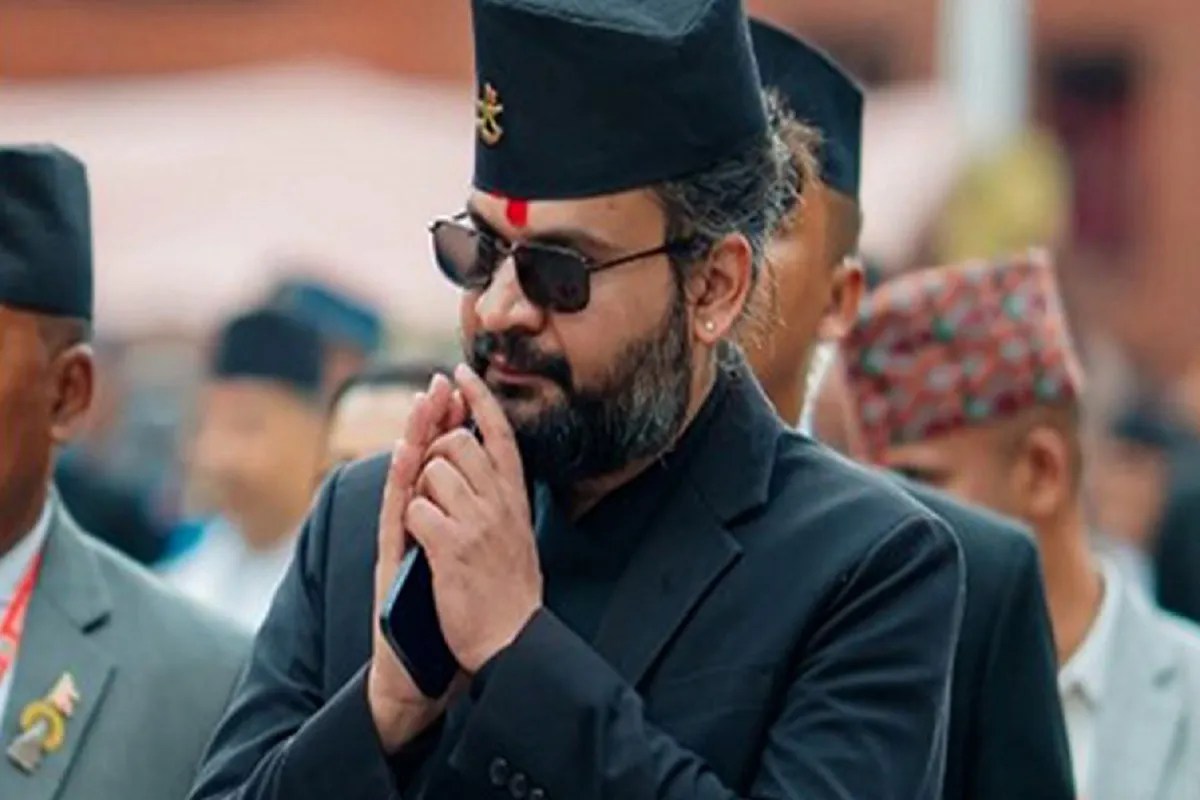
The digital rumor mill recently hit a fever pitch with claims that Balendra "Balen" Shah, the structural engineer turned rapper who captivated Kathmandu, had ascended to the office of Prime Minister at the age of 35. It is a compelling narrative. The image of a young, aviator-clad outsider toppling a gerontocracy that has gripped Nepal for decades satisfies a global hunger for "disruptor" success stories. However, this narrative is factually incorrect. Balen Shah is the Mayor of Kathmandu Metropolitan City, not the Prime Minister of Nepal.
The persistent spread of this misinformation reveals a deeper truth about the Himalayan nation's political psyche. There is a profound, almost desperate, longing among the electorate for a generational shift that the current parliamentary arithmetic simply does not allow. While Shah’s 2022 victory as an independent candidate was a genuine earthquake in local governance, the path to the Prime Minister's residence at Baluwatar remains guarded by a complex web of coalition politics, veteran power brokers, and constitutional hurdles that a single independent win cannot bypass.
The Structural Barriers to a Youth Revolution
Nepal operates under a parliamentary system where the Prime Minister is elected by the House of Representatives. To lead the country, an individual generally needs the backing of a majority in a 275-member house. Balen Shah, despite his massive popularity and social media footprint, does not hold a seat in this federal parliament. He operates at the municipal level.
The chasm between winning a city and leading a nation is wide. The federal legislature is currently dominated by three major pillars: the Nepali Congress, the CPN (UML), and the CPN (Maoist Centre). These parties are led by men in their late 60s and 70s—Sher Bahadur Deuba, K.P. Sharma Oli, and Pushpa Kamal Dahal—who have rotated the premiership among themselves for years. For an outsider like Shah to become Prime Minister, he would first need to form or lead a party capable of winning dozens of seats across diverse geographical districts, from the plains of the Madhesh to the high Himalayas.
Popularity in the capital city is a deceptive metric. Kathmandu is a bubble of middle-class frustration and intellectual discourse. The rest of the country still functions on deep-rooted party networks and patronage systems that independent candidates find nearly impossible to penetrate without a massive organizational machine.
Why the Internet Wants Balen to be Prime Minister
The viral nature of the "Youngest Prime Minister" claim stems from a collective exhaustion. Since the abolition of the monarchy in 2008, Nepal has seen a revolving door of governments. None have lasted a full five-year term. This instability has crippled infrastructure development and sent millions of young Nepalis abroad in search of work in the Gulf or Southeast Asia.
When Shah won the Mayor's seat, he didn't just win a race; he provided a proof of concept. He showed that the "iron grip" of the big parties could be broken. His subsequent actions—clearing illegal encroachments, managing waste, and challenging federal authorities on municipal jurisdiction—have been viewed through a lens of heroic defiance. People project their national aspirations onto his local successes.
This projection is dangerous. It creates an aura of invincibility around a single figure while ignoring the reality that Nepal’s Constitution requires consensus. A Prime Minister in Nepal is often a hostage to their coalition partners. Even if a young leader were to take the oath tomorrow, they would find themselves navigating the same murky waters of departmental horse-trading and bureaucratic inertia that have sunk their predecessors.
The Independent Wave and the 2022 General Election
While Shah remains in the Mayor’s office, his influence did trigger a secondary shockwave during the November 2022 federal elections. The rise of the Rastriya Swatantra Party (RSP), led by former journalist Rabi Lamichhane, was a direct beneficiary of the "Balen effect." The RSP managed to become the fourth-largest party in parliament almost overnight by tapping into the same anti-establishment sentiment.
This is the actual mechanism through which change occurs in Nepal. It is not through a single independent taking the top spot, but through the emergence of new political entities that can challenge the math of the old guard. However, even the RSP has faced significant "growing pains," including legal challenges regarding its leadership and the compromises inherent in joining short-lived coalition governments.
Comparing the Power Dynamics
| Feature | Municipal Power (Balen Shah) | Federal Power (Prime Minister) |
|---|---|---|
| Source of Mandate | Direct election by city residents | Indirect election by Members of Parliament |
| Autonomy | High over local issues (waste, local taxes) | Low (subject to coalition whims and party whips) |
| Legislative Support | Needs a majority in the City Council | Needs a majority in the House of Representatives |
| National Influence | Symbolic and rhetorical | Executive and budgetary |
The Aviator Iconography versus Policy Reality
Shah’s branding is impeccable. The black sunnies and the stoic demeanor have turned him into a pop-culture icon. But beneath the aesthetics lies a governing style that has drawn both praise and sharp criticism. His "dozer" politics—the use of bulldozers to clear structures—has been hailed by those wanting a cleaner city but condemned by human rights activists who argue it disproportionately affects the urban poor and small-scale vendors.
An investigative look at his tenure shows a leader who prefers executive action over the slow grind of consultative democracy. In a municipal setting, this can look like efficiency. At a national level, where ethnic tensions, provincial autonomy, and geopolitical balancing between India and China are constant factors, such a "strongman" approach could trigger significant backlash.
The international community often looks at Nepal as a buffer state. The Prime Minister’s job involves a delicate dance with New Delhi and Beijing. A leader without a seasoned diplomatic core or a stable party platform would find the transition from city management to international statecraft jarring.
The Demographic Time Bomb
The fascination with a 35-year-old leader is also a response to Nepal’s demographic reality. Over 60% of the population is under the age of 30. There is a massive disconnect between a digital-native youth population and a political leadership that often feels like a relic of the 1990s pro-democracy movements.
The "Prime Minister Balen Shah" myth is a symptom of this gap. It is a digital fantasy used to cope with the slow pace of actual political evolution. Change is coming to Nepal, but it is moving at the speed of a tectonic plate, not a viral tweet. The old guard is aging out, and the success of municipal leaders like Shah is forcing traditional parties to at least pay lip service to youth inclusion.
Navigating the Misinformation Maze
In the current media ecosystem, the line between "what is" and "what we want" is increasingly blurred. Sites claiming Shah has taken the oath of Prime Minister are often chasing engagement metrics rather than reporting truth. They weaponize the genuine hope of the Nepali people for clicks.
To understand the future of Nepal, one must look past the hype. The real story isn't a fictional promotion for a popular mayor; it's the grueling, unglamorous work of building new political structures that can eventually replace the aging titans.
Watch the municipal budgets and the city council meetings in Kathmandu. That is where the actual testing of the "new politics" is happening. If Balen Shah can successfully transform the capital's infrastructure and prove that an outsider can manage a complex bureaucracy, he might one day have a legitimate path to federal leadership. But that path involves years of party building and national campaigning. There are no shortcuts in the rugged terrain of Nepali politics.
The next time a headline offers a miraculous shortcut to a nation's salvation, check the parliamentary records. Real power in Nepal is still brokered in the backrooms of party offices, far away from the glare of social media.
Verify the current coalition status of the Nepal government to see who actually holds the executive power today.