Modern medicine has a trust problem, and it isn't because of "misinformation" on social media. It is because the establishment has forgotten how to speak to parents without using a mallet.
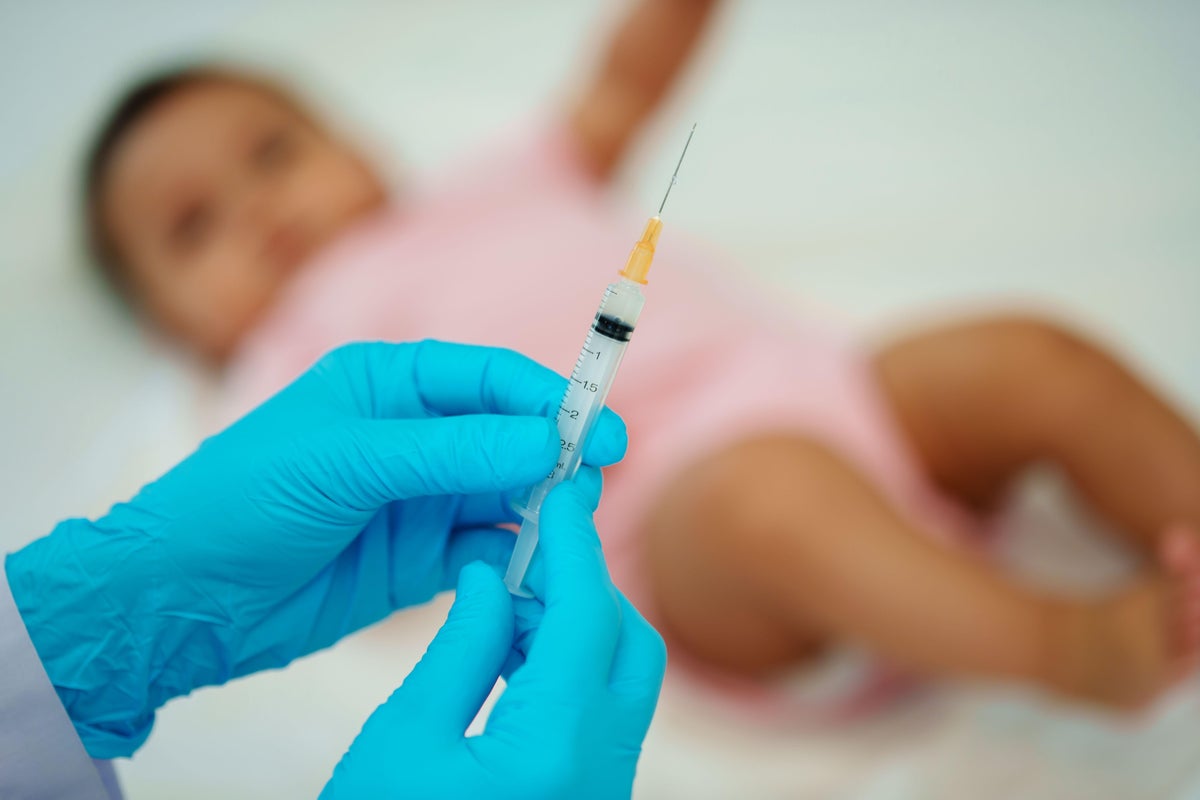
The current narrative on Vitamin K injections for newborns is a masterclass in medical gaslighting. We are told that Vitamin K Deficiency Bleeding (VKDB) is a ticking time bomb and that any parent questioning the standard 1mg intramuscular shot is essentially signing a death warrant for their child. It is a binary, fear-based argument that ignores physiology, biochemistry, and the nuance of risk.
If you want to understand why parents are walking away from the needle, you have to look at the data the hospital won't show you.
The Myth of the "Deficiency"
Let’s start with the word "deficiency." In any other medical context, a deficiency implies a failure of the body to reach its natural, healthy state. But every human infant on the planet is born with low Vitamin K levels relative to adults.
If a biological trait is universal across a species for millions of years, calling it a "deficiency" is a massive display of medical arrogance. Evolution rarely makes mistakes that "require" an immediate high-dose synthetic injection within the first hour of life just to ensure survival.
There are physiological reasons for these low levels. High Vitamin K levels promote rapid blood clotting. In the traumatic journey through the birth canal, a baby's body is designed to be flexible. Excessive clotting factors could theoretically increase the risk of thrombosis during the intense physical compression of birth. Furthermore, Vitamin K is involved in cell division and stem cell regulation. We are just beginning to understand how "flooding" a newborn with 20,000 times the birth level of this fat-soluble vitamin might interfere with early developmental signaling.
The "lazy consensus" assumes that because we can measure a low level, we must "fix" it. It ignores the possibility that the low level is a protective, programmed state.
The 1,000 Percent Increase in Risk?
The headlines love to scream about the "massive" increase in risk for those who decline the shot. Let's look at the actual numbers, not the percentages designed to trigger a panic attack.
Classic VKDB (occurring in the first week) and Late VKDB (up to 6 months) are exceptionally rare. In populations that do not receive the prophylaxis, the incidence of Late VKDB—the most dangerous kind involving intracranial hemorrhage—is approximately 4.4 to 10.5 per 100,000 births.
That is a 0.01% risk.
Is it a serious risk? Absolutely. Is it the "imminent catastrophe" portrayed by pediatricians? No. When doctors tell you that refusing the shot makes your baby "81 times more likely" to bleed, they are using relative risk to mask the fact that the absolute risk remains vanishingly small.
I have seen clinicians bully exhausted mothers in the recovery room, citing "brain bleeds" as if they were a 50/50 coin flip. This isn't informed consent. It's coercion via statistical manipulation.
The Synthetic Delivery System: What’s Actually in the Needle?
The "Vitamin K shot" is not just Vitamin K. If it were a drop of pure phytonadione, we wouldn't be having this conversation.
The standard injection (Phytonadione Injectable Emulsion) contains a cocktail of additives. For decades, these included benzyl alcohol—a preservative known to be toxic to neonates—and polysorbate 80. While some preservative-free versions exist, many hospitals still stock formulations containing propylene glycol and various pH adjusters.
Furthermore, the dose is astronomical. A 1mg injection for a 3kg infant is the equivalent of an adult taking a dose hundreds of times larger than the RDA. We are injecting a fat-soluble vitamin, which the liver must process and store, directly into the muscle of a human being whose metabolic systems are still "booting up."
The Oral Alternative: The Middle Ground They Refuse to Take
This is where the medical establishment loses its credibility. In many European countries, such as the Netherlands, Denmark, and Germany, oral Vitamin K is the standard or a widely accepted alternative.
The "American way" is the hammer: one massive, painful shot because we don't trust parents to follow a multi-dose oral regimen. The argument against oral Vitamin K isn't that it doesn't work—it’s that "compliance is difficult."
Studies from the British Medical Journal (BMJ) and others have shown that a three-dose oral regimen is highly effective at preventing early and classic VKDB. While the intramuscular shot is superior for preventing the ultra-rare Late VKDB (often associated with undiagnosed gallbladder or liver issues), the oral route provides a significant safety net without the "overload" of a systemic injection.
If the goal is truly "baby safety," why is the oral option treated as a fringe conspiracy theory in U.S. hospitals? Because it requires a conversation. It requires trust. And it doesn't fit the assembly-line efficiency of the modern maternity ward.
The Real Risk Factors No One Mentions
If you really want to protect your baby from bleeding, look at the interventionist birth model.
VKDB is significantly more common in babies who undergo:
- Instrument-assisted delivery (Forceps or Vacuum extraction), which causes physical trauma and bruising.
- Immediate Cord Clamping. By clamping the umbilical cord seconds after birth, we deprive the infant of up to 30% of their total blood volume—blood that is rich in natural clotting factors and stem cells.
- Maternal medications. Certain anti-seizure drugs and anticoagulants taken during pregnancy significantly deplete the baby's Vitamin K.
The medical system causes the trauma (forceps), steals the baby's natural blood supply (immediate clamping), and then insists that a synthetic injection is the only thing standing between the child and death. It’s a protection racket dressed in a white coat.
Follow the Physiology, Not the Fear
I have seen the charts. I have seen the "near misses." I also know that medicine is moving toward "Precision Medicine" everywhere except the delivery room.
The "one size fits all" mandate is failing. Parents aren't "anti-science"; they are "anti-blind-compliance." They are looking at their healthy, full-term baby who had a gentle, non-instrumental birth and wondering why they need to initiate a massive pharmacological intervention in the first sixty minutes of life.
If your baby had a traumatic birth, if you are planning on strictly breastfeeding (breast milk is naturally low in K, while formula is fortified), or if the baby shows signs of malabsorption, the risk profile changes. That is where the conversation should happen.
Instead, we get "Do this or your baby dies."
The Actionable Truth
Stop asking "Is Vitamin K bad?" and start asking "What is my child's specific risk?"
If you are a parent-to-be, don't let the hospital's "standard of care" override your right to a nuanced medical decision. Demand the following:
- Delayed Cord Clamping: Give your baby their own blood first.
- Oral Vitamin K: If you want to avoid the injection but want the protection, source a high-quality oral Vitamin K1 (phytonadione) and follow the Dutch or Danish protocols (usually at birth, 1 week, and 4-8 weeks).
- A Trauma-Free Birth: The less "physical" the birth, the lower the risk of internal bruising that triggers the need for rapid clotting.
The medical establishment treats the newborn body as a broken machine that needs immediate recalibration. It isn't. It is a biological system that has survived for millennia. Respect the system, understand the true (tiny) margins of risk, and stop letting fear-mongering headlines dictate your first hour of parenthood.
The needle isn't the only way. It's just the easiest way for the hospital.