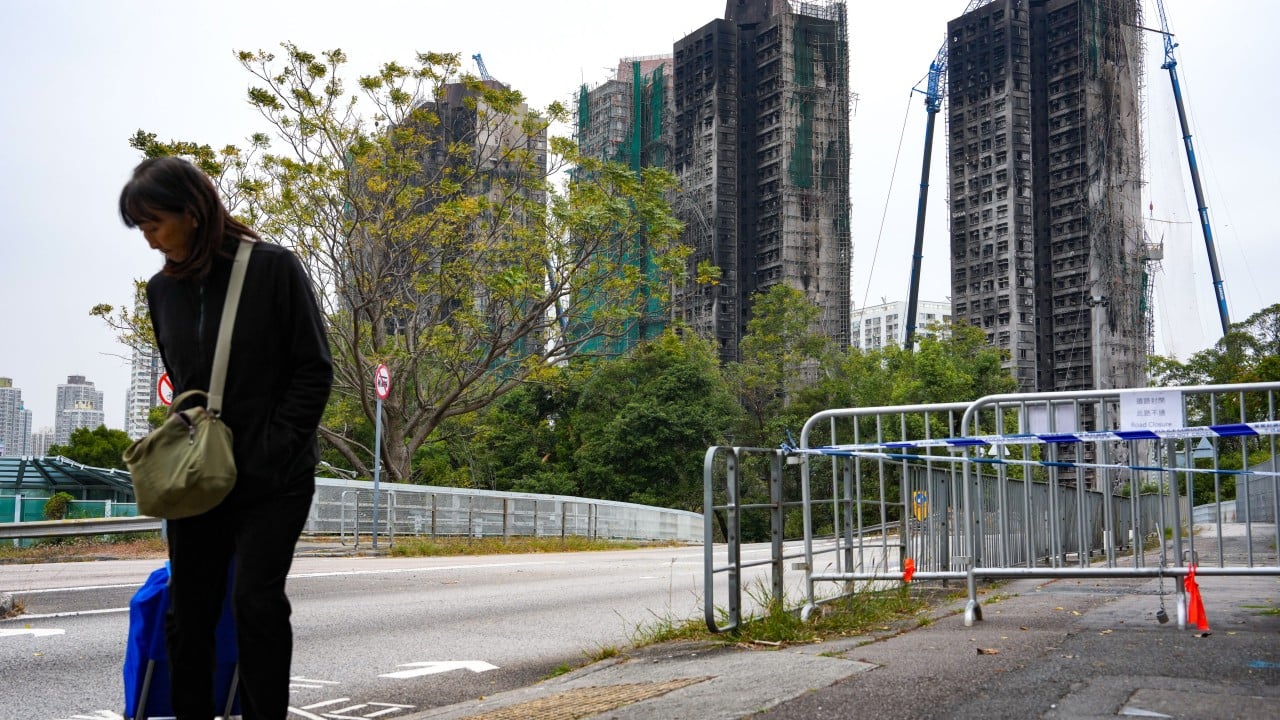
The rehabilitation of high-rise residential structures following a localized disaster creates a specific mobility deficit: the vertical transit gap. When fire damage disables mechanical lift systems in aging urban blocks, the building’s utility drops to near zero for residents with mobility constraints. In the Tai Po district, the reliance on manual stair-climbing or ad-hoc assistance highlights a critical lack of integrated emergency redundancy. Solving this requires more than just "assistance"; it demands a systematic deployment of mechanical aids that address the physics of weight distribution and the physiological limits of the elderly.
The Mechanics of Vertical Impedance
Urban density in Hong Kong relies on the assumption of 100% lift availability. When this infrastructure is severed, the stairs transition from an emergency exit to a primary barrier. For an elderly resident, the energy expenditure required to ascend a single flight of stairs is not merely a matter of effort but a cardiovascular stressor that can exceed safe metabolic thresholds.
The "Staircase Bottleneck" is defined by three primary variables:
- The Gradient Factor: The fixed angle of the staircase which dictates the required torque for any mechanical aid.
- The Turn Radius: The narrow landings of older tenements that preclude the use of large-scale motorized stretchers.
- The Human Load: The combined weight of the individual and the transport device, which must be managed by either a motor or a human operator.
Current proposals to use "hi-tech aids" often fail to account for the interplay between these variables. A device that is powerful enough to climb a 35-degree incline often lacks the agility to navigate a 1.2-meter square landing.
Categorizing the Technical Intervention Matrix
To restore mobility to the fire-damaged flats in Tai Po, interventions must be categorized by their mechanical advantage and operator requirements.
Category I: Passive Assistive Devices
These include manual stair-climbing chairs that utilize a tank-tread system or a triple-wheel configuration. The physics here rely on friction and leverage.
- Advantages: No power dependency; lightweight (typically <15kg).
- Failure Points: They require significant physical strength from the operator to balance the center of gravity during the descent and ascent. They do not "solve" the energy problem for the operator; they only manage the safety of the passenger.
Category II: Battery-Electric Stair Climbers
These devices use rubberized tracks driven by high-torque electric motors.
- Mechanism: The tracks grip the edges of multiple steps simultaneously, distributing the weight across a larger surface area to prevent structural damage to aging concrete.
- Constraint: Battery density determines the "floor-ceiling" capacity. In a 20-story building with disabled lifts, a device must be capable of multiple round trips on a single charge while maintaining a safety buffer.
Category III: Exoskeletal and Wearable Aids
While often discussed in speculative contexts, soft-robotic exoskeletons represent the most precise way to augment the resident's own biomechanics rather than treating them as passive cargo.
- The Power-to-Weight Problem: Current wearable tech often adds more weight than the assistance it provides for a non-athlete. In a post-fire environment with potential soot and debris, the sensors required for gait-syncing are prone to failure.
The Operational Cost of Ad-Hoc Solutions
The Tai Po fire response illustrates the inefficiency of "volunteer-heavy" models. Relying on fire services or local volunteers to manually carry residents is a high-risk strategy.
The Fatigue Curve in Manual Transit
As an operator carries a load up successive flights, their biomechanical form degrades. This increases the probability of a "drop event." In a narrow stairwell, a drop event is almost always catastrophic due to the lack of runoff space. Structural logic dictates that the solution must be mechanical and repeatable.
We must quantify the "Recovery Window"—the time between the fire being extinguished and the restoration of the primary lift. If this window exceeds 48 hours, the building enters a state of "Functional Obsolescence" for elderly inhabitants. During this window, the caloric cost of fetching basic supplies (water, medicine) becomes a health risk.
Logistics of Rapid Deployment
For a hi-tech aid to be effective in a district like Tai Po, it cannot be stored in a central warehouse miles away. The "First Mile" of disaster mobility is the deployment of the device to the specific stairwell.
A decentralized equipment hub model would solve this:
- Strategic Caching: Storing track-based climbers in fire stations or community centers within a 1km radius of high-density "at-risk" housing.
- Operator Certification: Training a localized "Mobility Corps" of residents or building management staff on the specific balance points of motorized chairs.
- Terrain Mapping: Maintaining a database of stairwell widths and landing dimensions to ensure the dispatched device is compatible with the building’s specific architecture.
The Economic Barrier to Universal Access
The primary reason these aids are proposed rather than present is the unit cost. A high-reliability motorized stair climber costs significantly more than a standard wheelchair. However, the cost-benefit analysis changes when considering the alternative: long-term hospital or care-home stays for residents who cannot return to their homes because of three flights of stairs.
The "Stranded Resident Cost" includes:
- Emergency housing stipends.
- Hospital bed occupancy for non-clinical reasons (lack of home access).
- Mental health degradation due to displacement.
When these externalities are quantified, the procurement of a $5,000 USD motorized climber for a building of 200 people represents a negligible per-capita insurance premium.
Structural Recommendations for Urban Policy
The Tai Po incident serves as a stress test for the aging infrastructure of Hong Kong and similar dense hubs. To move beyond reactionary proposals, the following structural changes are required:
- Mandatory Mobility Redundancy: Building codes for structures over 40 years old should mandate the presence of at least one heavy-duty manual or electric stair climber on-site, similar to the requirement for fire extinguishers.
- Energy Independent Transit: Lifts should be prioritized for "Hardened Power Circuits" that can remain operational even when the primary building grid is compromised, provided the shaft itself is structurally sound.
- The Integration of IoT in Lift Monitoring: Real-time data on lift health can predict failures before they happen, allowing for the proactive deployment of mobility aids before a resident is trapped on an upper floor.
The immediate move for the Tai Po recovery is the deployment of independent track-driven transit units operated by trained technicians, bypassing the need for resident physical exertion entirely. Any strategy relying on "proposed" tech that isn't already in the hands of first responders is a failure of logistics, not engineering. The focus must shift from the novelty of the technology to the reliability of the supply chain and the training of the human operator.