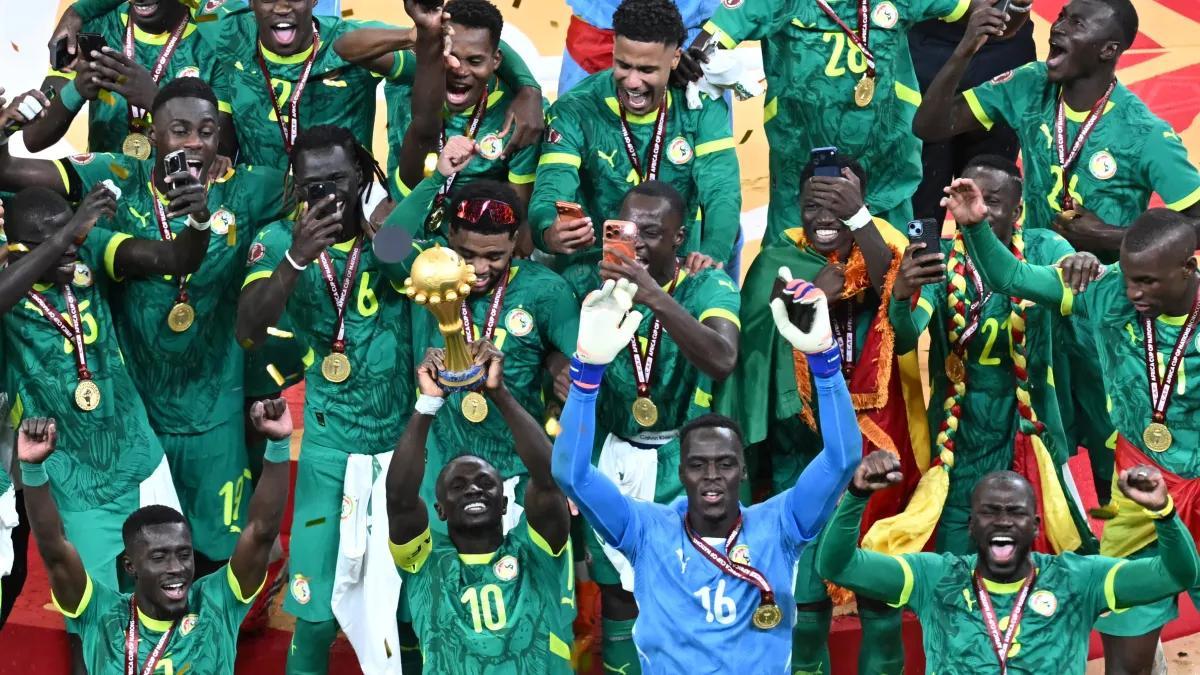
The Confederation of African Football (CAF) just dropped a nuclear bomb on the continent's sporting integrity. Two months after the final whistle blew in Rabat, Senegal has been stripped of the 2025 Africa Cup of Nations (AFCON) title. It's not because of a failed drug test or a secret ineligible player. It’s because of a 17-minute walk-off that happened during the match—a match they eventually finished and won on the pitch.
Morocco is now officially the champion. Senegal is furious. Fans are calling it a "disgrace for Africa." Honestly, they aren't entirely wrong. While the rulebook is technically on CAF's side, the way this has been handled feels like a slap in the face to anyone who actually values what happens on the grass.
The Night the Prince Moulay Abdellah Stadium Broke
To understand why this is such a disaster, you have to remember the chaos of January 18. It was 0-0 in stoppage time. Senegal thought they’d scored the winner, but it was ruled out for a foul that looked, frankly, non-existent on the replays. Minutes later, the referee awarded a penalty to Morocco after Brahim Diaz went down.
The Senegalese players lost it. Egged on by coach Pape Thiaw, they walked off the pitch. For nearly 20 minutes, the game sat in limbo. It took Sadio Mane’s leadership to drag his teammates back out. When play finally resumed, Diaz missed the penalty—a weak Panenka that Edouard Mendy ate for breakfast. Senegal then scored in extra time and lifted the trophy.
At the time, we all thought that was that. A messy final, some fines, and everyone moves on. Instead, CAF’s Appeals Committee decided to apply the "nuclear option" of Articles 82 and 84.
The Rules That Killed the Result
The ruling hinges on two specific articles in the AFCON regulations. They're pretty black and white, which is why Senegal is in this mess.
- Article 82 states that if a team refuses to play or leaves the ground before the regular end of the match without the referee's permission, they lose.
- Article 84 dictates the punishment: a 3-0 forfeit win for the opponent.
CAF's argument is simple. Senegal left. Therefore, they forfeited. The fact that they came back and played the rest of the game is, in the eyes of the appeals board, irrelevant. This is a massive shift from the initial disciplinary hearing, which just handed out fines and bans but left the scoreline alone. By overturning that first decision, CAF has basically said that the result on the pitch doesn't matter if the procedural rules are broken first.
Why This Ruling Sets a Dangerous Precedent
If you're a Morocco fan, you're celebrating a first title since 1976. But let’s be real—winning like this feels cheap. It’s a "lawyer’s victory," not a footballer’s one. The precedent here is terrifying. If any team walks off for a few minutes in a moment of high tension, are we now going to wait two months for an administrative body to decide who won?
Sadio Mane didn't hold back in his response, calling the decision "corruption" that is "killing the passion" of the fans. He’s pointing at a larger issue: the perceived bias towards host nations. Morocco is a powerhouse in African football politics. Taking a trophy away from the winners and handing it to the hosts in a boardroom looks terrible, regardless of whether the rules were followed.
The Human Cost of Hooliganism Labels
While the suits argue in Cairo, the fans are the ones actually suffering. Eighteen Senegalese supporters are still sitting in Moroccan jails, facing sentences for "hooliganism" following the post-match clashes. This ruling only pours gasoline on that fire.
By stripping the title, CAF has effectively validated every Moroccan grievance while dismissing Senegalese frustrations. It creates a toxic environment for future tournaments. We’re already seeing calls for boycotts and a level of vitriol online that goes way beyond standard football rivalry.
What Happens Next in the Court of Arbitration for Sport
Senegal isn't taking this lying down. The Senegalese Football Federation (FSF) is heading straight to the Court of Arbitration for Sport (CAS) in Switzerland. They’ve called the CAF decision "unfair, unprecedented, and unacceptable."
Their legal team will likely argue that because the referee allowed the game to resume and reach a natural conclusion, the "forfeit" was waived. If a team leaves and the referee abandons the match, Article 84 is a slam dunk. But when the referee waits, the players return, and the game finishes? That’s a massive gray area.
Practical Steps for Following the Fallout
If you're trying to keep track of this mess, here’s how the next few weeks will play out:
- The CAS Filing: Senegal has a 10-day window to officially lodge their appeal. Expect this to happen almost immediately.
- The Stay of Execution: Senegal might ask for the title change to be "frozen" until a final ruling is made, meaning Morocco shouldn't start sewing a second star on their shirts just yet.
- The Supporters' Trial: Keep an eye on March 30. That’s when the appeal for the imprisoned Senegalese fans is scheduled. The outcome of that trial will be a huge indicator of how much the diplomatic relationship between these two nations is actually fraying.
The reality is that African football just took a massive hit. Whether Senegal gets the title back or Morocco keeps it, the "victory" will always have an asterisk next to it. You can't fix a broken final with a press release two months later. If you want to stay updated on the legal filings, check the official CAF media channel and the FSF's social feeds, but prepare for a long, drawn-out battle in the Swiss courts.