You don't expect a quick round of Arma 3 or a WhatsApp message about a "VIP protection" gig to end with you holding a grenade launcher in a freezing trench in the Donbas. But for 17 South African men, that's exactly what happened. This week, most of those men finally touched down at OR Tambo and King Shaka International Airports, looking less like soldiers and more like survivors of a massive scam.
They were lured by the promise of high-paying security jobs and training. Instead, they were handed Russian military contracts and sent to the front lines. The reality is that these men aren't just "mercenaries" in the traditional sense—they're victims of a predatory recruitment network that knows exactly how to exploit South Africa's unemployment crisis.
The Hook: Discord and the MK Party Connection
Recruiters didn't just walk into townships with posters; they went where young men hang out. At least two of the men were reportedly recruited through Discord while playing the military sim game Arma 3. Someone with the handle "@Dash" started chatting with them, offering "lucrative military contracts," Russian citizenship, and even education.
It sounds like a dream for a 20-year-old with no job prospects. But it gets weirder and more political. Investigations have pointed squarely at the uMkhonto weSizwe (MK) party and specifically Duduzile Zuma-Sambudla, the daughter of former President Jacob Zuma. Allegations suggest she helped funnel these men to Russia under the guise of security training for the party. She's since resigned from Parliament, though she claims she was also "duped" by intermediaries. Honestly, it's hard to believe that 17 men from the same political circles ended up in a Russian war zone by accident.
From Cape Town to the Donbas
The journey for many started in July 2024. They met in Cape Town, visited the Russian consulate—which raises some serious questions about official involvement—and flew through the UAE to Saint Petersburg.
Once they arrived, the "security training" vanished. They were pressured into signing one-year contracts with the Russian Ministry of Defense. Within weeks, they were in the Luhansk region. We're talking about men with very little actual combat experience being used as "assistant grenade launcher operators."
The human cost is already visible:
- One confirmed death: A young man in his early twenties killed in Luhansk in late 2024.
- Severe injuries: One man returned this week in a wheelchair; another had his foot amputated after a drone strike.
- Psychological trauma: Families reported receiving "distress calls" from the men in November 2025, begging the government to get them out of the "epicenter of the fighting."
The Legal Nightmare of Being a Mercenary
If you're thinking of "going private" for a foreign army, don't. South Africa has some of the strictest anti-mercenary laws in the world. The Regulation of Foreign Military Assistance Act (1998) makes it a crime for any citizen to participate in a foreign war without direct government permission.
The men who just landed weren't met with ticker-tape parades. They were met by the Hawks (Directorate for Priority Crime Investigation). They've been questioned for hours. While the government is treating them as victims of human trafficking for now, the organizers of the recruitment scheme are facing serious heat. The South African Police Service (SAPS) is looking into three individuals, including Zuma-Sambudla, for "mercenary activities."
Why Russia is Targeting Africa
Russia is running low on its own men. They've shifted their focus to "friendly" BRICS nations to fill the gaps. South Africa isn't alone—intelligence reports suggest over 1,000 Kenyans have been lured under similar "job" pretenses.
It's a numbers game. Moscow offers $2,000 a month—a fortune in a country where the youth unemployment rate sits near 45%. They use the "non-aligned" stance of the South African government to create a sense of safety that doesn't actually exist once you're on the ground.
What You Need to Know Before Taking an "International Job"
If you see a job offer for "security work" or "training" in Russia or Eastern Europe, keep your guard up. Here's how to spot the red flags:
- The recruiter uses gaming platforms or social media: Reputable security firms don't hunt for bodyguards on Discord.
- The contract is in a language you don't speak: Never sign anything you can't read. Some of these men signed Russian documents they didn't understand.
- They ask for your passport: This is a classic human trafficking tactic. Once they have your ID, you can't leave.
- The pay is "too good": $2,000 for a guard job with no prior high-level experience is a lie.
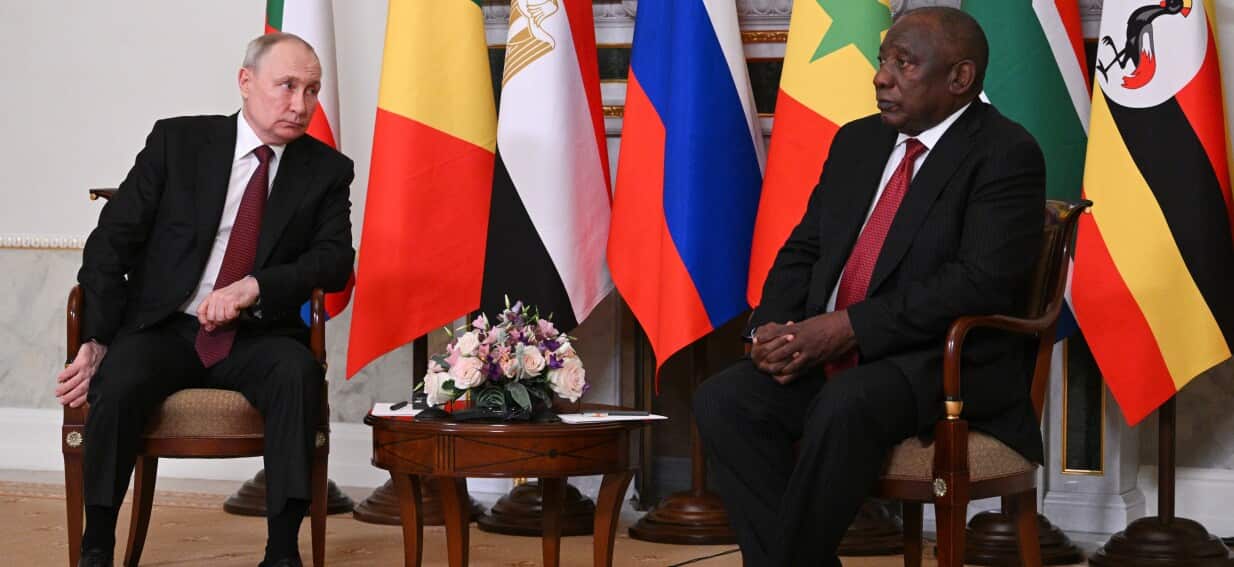
The government managed to get these men home through a direct phone call between President Cyril Ramaphosa and Vladimir Putin on February 10, 2026. That’s a level of diplomatic intervention you can't count on if you get stuck. Two South Africans are still in Russia—one in a hospital and one being "processed."
If you or someone you know has been approached with one of these "opportunities," report it to the Department of International Relations and Cooperation (DIRCO) immediately. Don't let a video game chat turn into a life-or-death situation in a war that isn't yours.