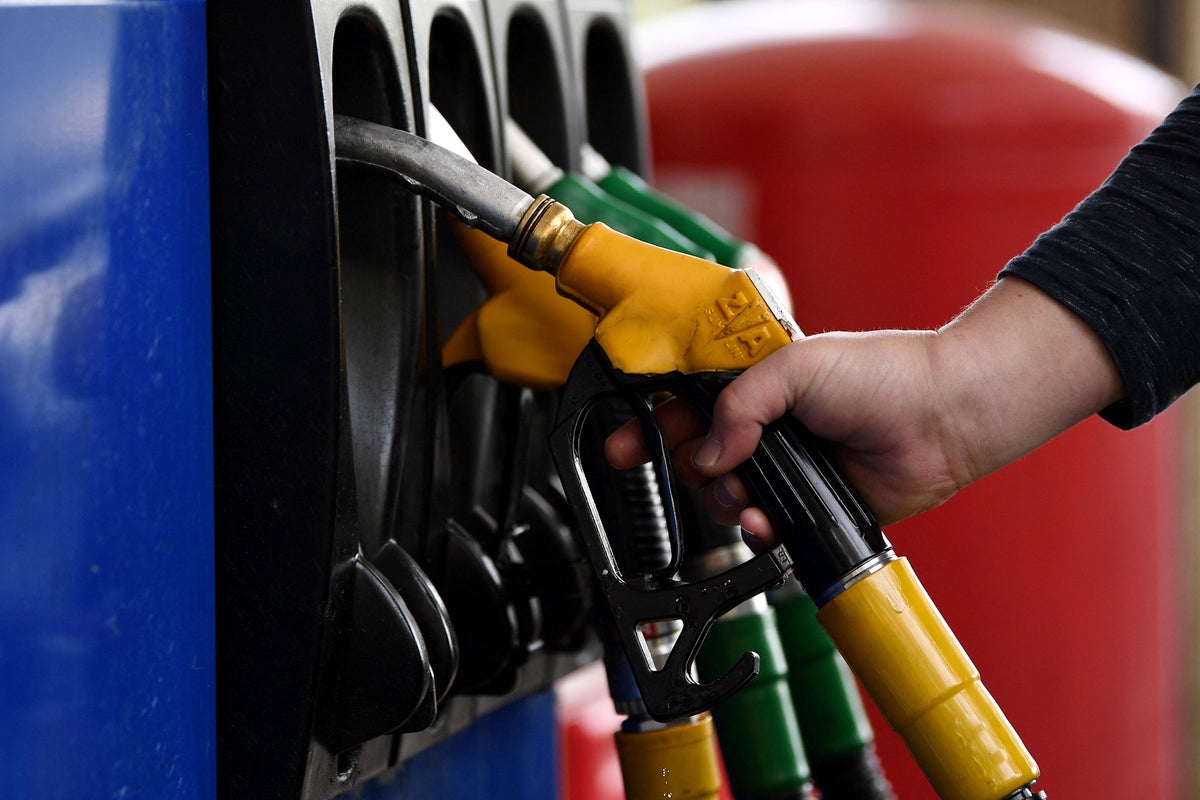
Slovakia is about to learn a brutal lesson in border-town economics.
The government’s plan to implement a dual-pricing system for diesel—charging foreign plates a premium to kill "fuel tourism"—isn't the masterstroke of fiscal protectionism they think it is. It is a desperate, short-sighted move that treats a symptom while infecting the entire regional economy. They want to stop Austrians, Hungarians, and Czechs from "stealing" cheap fuel, but they are actually preparing to sabotage their own logistics hubs and retail ecosystems.
Political optics usually trump economic reality. To the average Slovak voter, seeing a line of SUVs with Vienna plates filling up at a discount feels like a national insult. But if you look at the flow of capital, those foreign drivers aren't thieves. They are high-velocity consumers.
When a driver crosses the border for diesel, they don't just buy diesel. They buy snacks. They buy coffee. They stop at a local restaurant. They pick up groceries. By artificially inflating the price for foreigners, Bratislava isn't just protecting a subsidized commodity; it is actively evicting its most profitable border-crossers.
The Myth of the Stolen Subsidy
The "lazy consensus" among European bureaucrats is that fuel tourism is a drain on the national treasury. The logic goes like this: "We subsidize fuel for our citizens; foreigners take that subsidy across the border; therefore, we are losing money."
This is mathematically illiterate.
Fuel prices are largely a function of Value Added Tax (VAT) and excise duties. Even if the base price is lower than in neighboring countries, every liter sold to a foreign driver represents a net gain in tax revenue that would have otherwise gone to Austria or the Czech Republic. By hiking prices for foreigners, Slovakia is effectively telling its neighbors: "Please, keep your tax money. We don’t want it."
I have seen regional governments pull this stunt before. Hungary tried a similar tiered pricing model in 2022. It didn't "save" the market; it created a logistical nightmare, invited legal action from the European Commission for discrimination, and led to localized fuel shortages as supply chains buckled under the administrative weight of verifying license plates.
The Administrative Suicide of Tiered Pricing
Imagine a gas station at 6:00 PM on a Friday. Now imagine that every single transaction requires the attendant to verify the registration of the vehicle, manually adjust the price, or manage two different pump settings.
Slovakia is about to force its small business owners—the petrol station franchisees—to become border agents.
The overhead costs of implementing this system are a hidden tax on the very citizens the government claims to be protecting. When you increase the friction of a transaction, you decrease the volume. It’s a law of commerce as old as the hills. If it takes ten minutes to fill a tank because of bureaucratic checks, the local driver behind that foreign car is the one who suffers.
Furthermore, this creates a massive incentive for a black market. When a price gap exists for the same physical good in the same location, arbitrage is inevitable. We will see "fuel mules"—Slovak citizens filling up jerry cans or auxiliary tanks to resell to foreigners at a slight markup. You aren't stopping fuel tourism; you're just moving it from the pump to the parking lot.
Logistics: The Collateral Damage
Slovakia is a vital transit corridor for European logistics. The heavy goods vehicle (HGV) industry operates on margins so thin they are practically transparent.
If a Polish trucking company moving goods from Italy to Scandinavia sees that Slovakia has implemented a "foreigner tax" at the pump, they won't just pay it. They will reroute. They will fuel up in Poland or Hungary and bypass Slovak service stations entirely.
When you lose the HGV traffic, you lose the massive volume that keeps rural petrol stations solvent. Many of these stations rely on high-volume diesel sales to offset the low margins on other goods. If the trucks stop coming, the stations close. When the stations close, the local Slovak villager has to drive thirty kilometers further to find a pump.
The government is burning down the house to get rid of a few ants.
The European Court of Justice is Waiting
Let’s talk about the legal reality that the "sovereignty" crowd loves to ignore. The European Union's internal market is built on the principle of non-discrimination. Article 18 of the Treaty on the Functioning of the European Union (TFEU) is quite clear: any discrimination on grounds of nationality shall be prohibited.
Slovakia is picking a fight it cannot win. Hungary already tried to argue that "extraordinary circumstances" justified their fuel discrimination. The EU didn't buy it. By the time the lawsuits settle, the Slovak government will likely be forced to pay back the "overcharged" amounts or face massive fines.
Is the temporary political win of "Slovak fuel for Slovaks" worth the billions in legal penalties and the loss of standing within the Eurozone?
The Correct Question: Why is Supply So Rigid?
Instead of asking "How do we stop foreigners from buying our fuel?", the government should be asking "Why is our energy market so fragile that a few thousand extra drivers cause a crisis?"
Price is a signal. A lower price in Slovakia compared to Austria is a signal that Slovakia has a competitive advantage in either refining, distribution, or taxation. Using a price floor to negate that advantage is economic masochism.
If the government is truly worried about supply, they should be incentivizing the expansion of storage capacity or diversifying their crude sources. Instead, they are choosing the path of least resistance: populist protectionism.
How to Actually Play This
If you are a business owner in the border regions, the advice is simple: diversify now. Do not rely on the pump. If your business model is "I sell cheap diesel to Austrians," you are a dead man walking.
Shift your focus to high-margin retail and services that are harder to regulate. If the government makes the fuel expensive, make the destination worth the trip for other reasons.
For the policymakers in Bratislava, the move isn't to tax the foreigners; it's to leverage them. Use the influx of "fuel tourists" to fund infrastructure. Use the increased VAT revenue from snacks and services to offset the cost of subsidies for low-income Slovak households.
Turn the "problem" into an engine of growth.
But they won't. They will double down on the license plate checks. They will watch as the queues grow longer and the revenue starts to dry up. They will blame "Brussels" when the lawsuits arrive. And in two years, when the border gas stations are boarded up and the local economy is stagnant, they will wonder where it all went wrong.
The math doesn't lie, even if politicians do.
Stop treating your customers like intruders and start treating your border like a storefront. Or keep the foreign drivers out and watch as your own economy follows them out the door.

.png?width=1200&auto=webp&trim=0%2C0%2C0%2C0)
