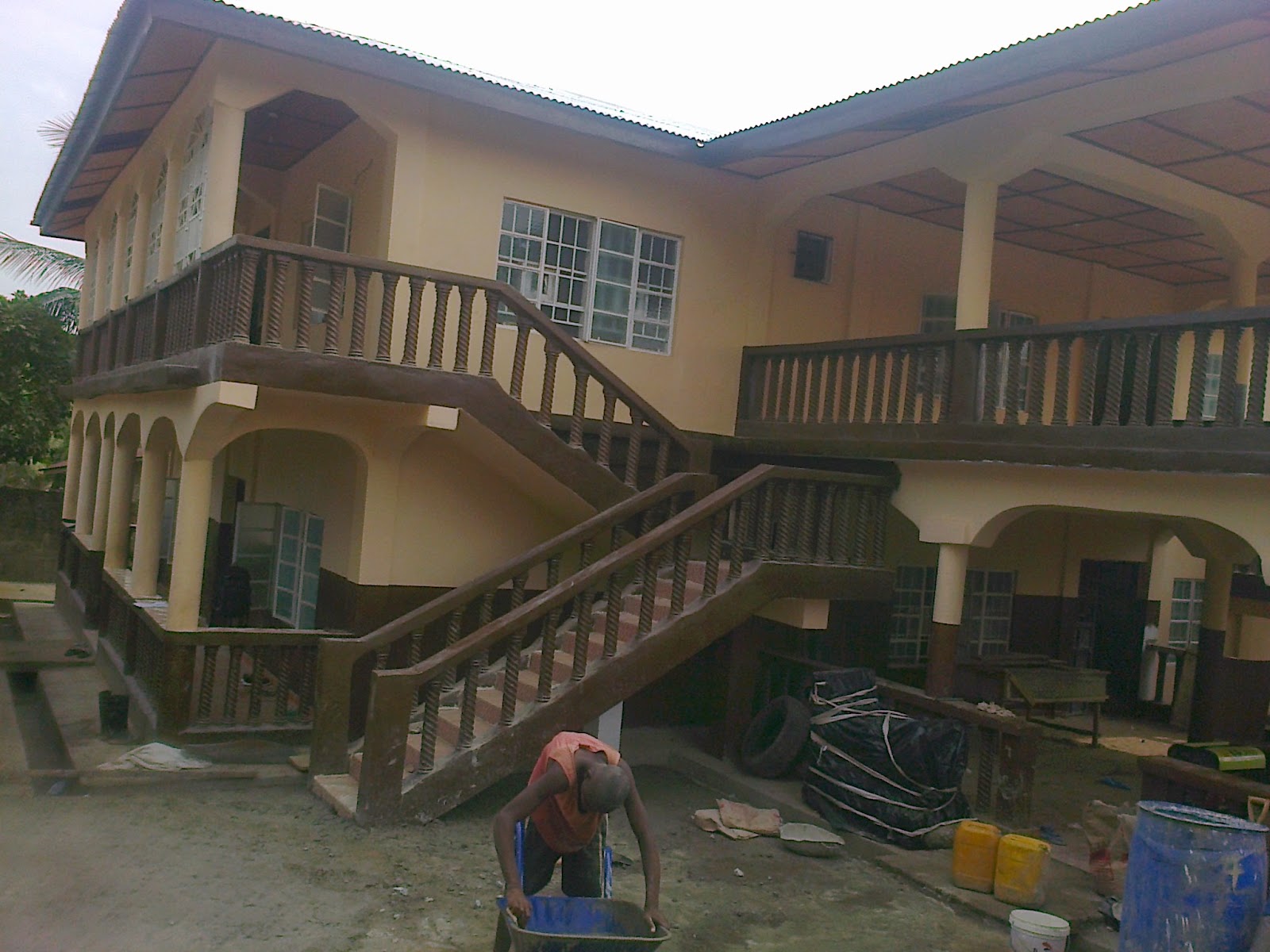
Sierra Leone is one of the hardest places on earth to be a mother. If you've looked at the data, you know the numbers aren't just statistics; they're a crisis. For decades, the maternal mortality rate here has been a global outlier. But in the Kono District, a massive project is shifting the ground. The Maternal Center of Excellence isn't just another clinic with fresh paint. It's a blueprint for how we fix broken health systems in places the rest of the world often ignores.
The Reality of Giving Birth in Kono
Kono is famous for diamonds, but that wealth hasn't historically reached the delivery rooms. Before this new facility, women often faced a terrifying gamble. Imagine traveling for hours on a motorbike over rutted mud roads while in active labor, only to reach a facility that lacks basic electricity or blood for transfusions. That’s been the standard. It’s why Sierra Leone has historically seen roughly 443 deaths per 100,000 live births. While that’s an improvement from the post-Ebola peak, it’s still far too high.
The new hospital, a collaboration between the Ministry of Health, Partners In Health (PIH), and Build Health International, changes the math. It’s a 160-bed facility designed to handle the complications that actually kill women: postpartum hemorrhage, sepsis, and eclampsia. We aren't talking about "awareness campaigns" here. We’re talking about surgery, oxygen, and specialized neonatal care.
Why This Hospital Design Actually Works
Most global health projects fail because they’re built for a world that doesn't exist. They bring in high-tech machines that break within six months because there's no one to fix them or no steady power to run them. The Kono hospital is different.
Climate Smart Infrastructure
The building uses passive cooling. In a region where the heat is oppressive and the power grid is unreliable, you can't depend entirely on air conditioning. The architects used high ceilings and cross-ventilation to keep the wards habitable. They also installed a massive solar array. It sounds like a luxury, but in a surgical theater, it’s the difference between finishing a C-section and working by the light of a cell phone.
Dignity as a Medical Requirement
I’ve seen plenty of rural clinics where privacy is a joke. This facility prioritizes the "experience of care." That’s a fancy way of saying women feel safe and respected. When a mother trusts the facility, she comes in early. When she comes in early, she doesn't die of a preventable complication. It's a simple feedback loop that many "experts" miss.
Breaking the Cycle of Medical Poverty
The "blueprint" aspect of this hospital isn't just about the bricks and mortar. It’s about the staff. PIH has been vocal about their "five S's" model: Staff, Stuff, Space, Systems, and Social Support.
You can have the best building in Africa, but if you don't have trained midwives who are actually paid on time, you have a graveyard. This project invests heavily in training local Sierra Leonean clinicians. They aren't just flying in doctors from Boston or London to do the work and leave. They’re building a local workforce that can sustain this for the next fifty years.
The Role of Partners In Health
Paul Farmer, the late co-founder of Partners In Health, always talked about "pro-poor" medicine. He hated the idea that poor people should get "appropriate" (read: lower quality) technology. This hospital is a middle finger to that concept. It provides high-quality care because that’s what’s required to save lives. If you need a C-section in Kono, you should get the same standard of surgical sterility you’d get in New York. Anything less isn't global health; it's just a band-aid.
Beyond the Hospital Walls
A hospital alone won't fix Sierra Leone’s health outcomes. The "Kono Model" includes a network of community health workers. These folks go door-to-door. They find pregnant women in remote villages and bring them into the system.
The hospital acts as the hub, but the spokes are the real heroes. They manage the "social support" piece—making sure a woman has food to eat and a way to get to the clinic. If a mother is malnourished, the best surgeon in the world can only do so much. You have to treat the patient, not just the pathology.
What Other Countries Can Learn
If this works in Kono—a place decimated by civil war and Ebola—it can work anywhere. The lesson for the global health community is pretty blunt: stop funding small, fragmented pilots. Instead, invest in large-scale, high-quality public infrastructure.
Governments often hesitate to build big because it’s expensive. But the cost of not building is higher. You lose the economic contribution of those women. You leave orphans who are less likely to stay in school. The ripple effect of a single maternal death is catastrophic for a village.
The Bottom Line on Kono’s Blueprint
The Maternal Center of Excellence is nearing full operation, and the early signs are massive. We're seeing a shift in how the community views institutional birth. It’s no longer a place you go to die; it’s a place you go to start a life.
Don't let the shiny photos fool you into thinking this was easy. It took years of political maneuvering, fundraising, and literal digging in the dirt. But it proves that "unreachable" goals are usually just underfunded ones.
If you want to support this kind of work, don't just look for "charities." Look for organizations like Partners In Health or Build Health International that prioritize long-term infrastructure and local government partnerships. Check their annual reports for "surgical volume" and "maternal outcomes" rather than just "money spent." Real change is measured in lives saved, not dollars moved. If you're a donor or a policy maker, demand that your funds go toward permanent buildings and local payrolls. That’s how we make the Kono blueprint the global standard.