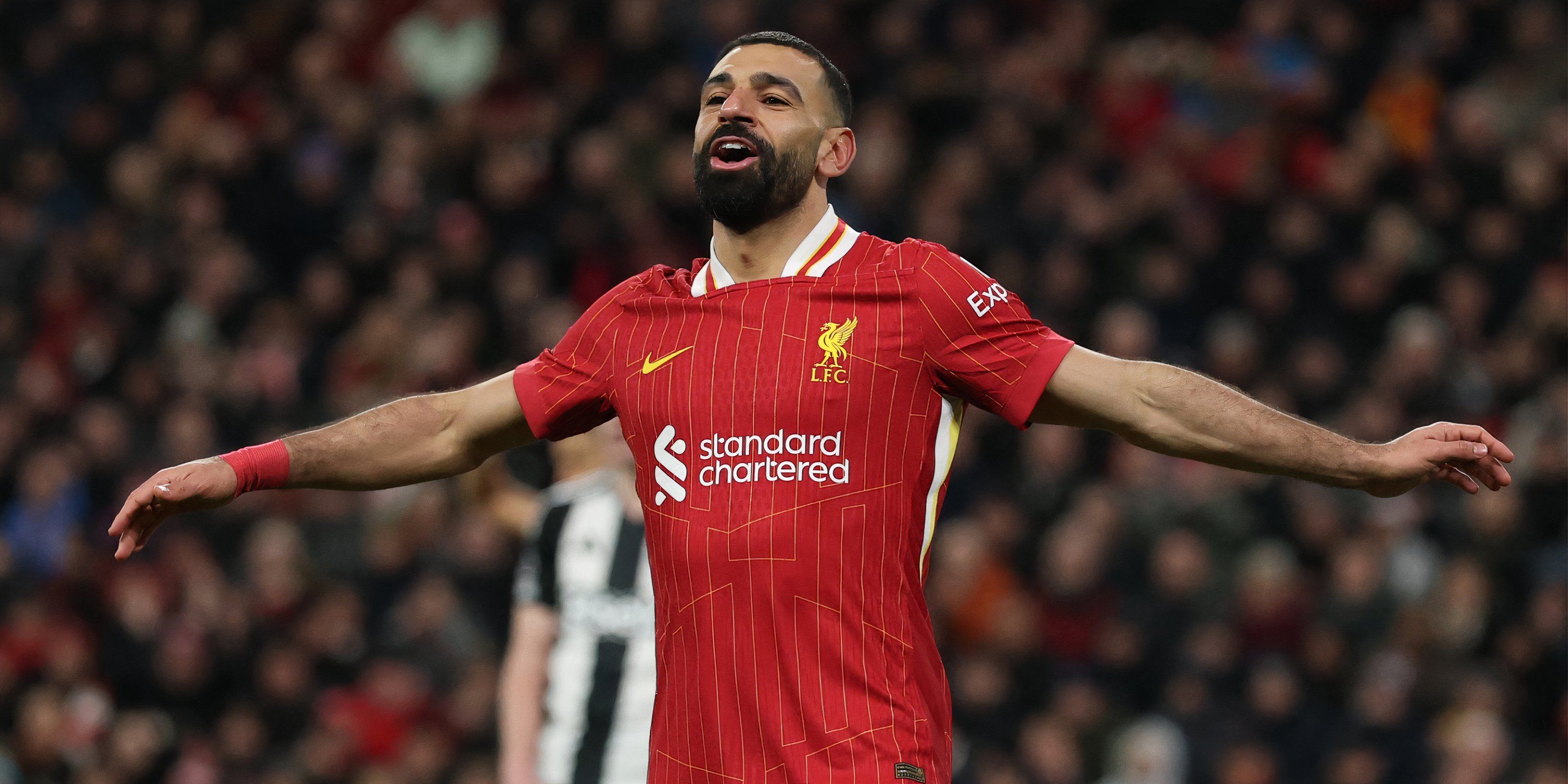
In the summer of 2017, Liverpool F.C. paid £34 million for a Chelsea "reject" with a point to prove. Nine years later, as Mohamed Salah prepares to exit Anfield in 2026, the accounting of his tenure extends far beyond the 200-plus goals or the Premier League and Champions League trophies. He became a sociological case study in real-time, an unintended experiment in whether a man kicking a ball can actually dismantle centuries of systemic prejudice.
The narrative often fed to the public is one of effortless integration and a magical "Salah Effect." It is a comfortable story: a smiling Egyptian scores goals, performs the sujud (prostration) on the pitch, and suddenly, Islamophobia vanishes from the terraces. But a deeper investigation into the data, the local sentiment in Merseyside, and the geopolitical reality in Egypt reveals a far more complex, fragile, and sometimes transactional relationship between the athlete and the public.
The Data Behind the Dip
To understand the scale of what happened, you have to look at the numbers before they were smoothed over by PR departments. Researchers at Stanford University’s Immigration Policy Lab spent years tracking this phenomenon. Their findings were startling. After Salah’s arrival, hate crimes in the Merseyside area dropped by approximately 16% to 19% compared to similar regions in the UK. Simultaneously, the rate of anti-Muslim tweets from Liverpool fans plummeted by 50% relative to fans of other top-flight clubs.
This was not a result of a sudden surge in theological curiosity. It was "parasocial contact"—a psychological mechanism where fans developed a one-way bond with Salah that eventually softened their stance on the group he represents. When he scored, the chant "I’ll be Muslim too" echoed through the pubs. It was catchy, but it was also conditional.
The drop in hate crimes was localized and specific. It suggests that while Salah could change the temperature in the city that adored him, his influence had clear borders. Beyond the M62 motorway, the same political and social tensions remained largely untouched. This raises a sobering question for the industry. Does the "Salah Effect" survive the final whistle, or is it merely a temporary ceasefire granted to an exceptional individual?
The Burden of Being the Model Citizen
Salah’s strategy for navigating Western fame has been one of radical normalcy. Unlike many athletes who lean into political activism, Salah has largely let his presence do the talking. He does not lecture. He simply exists as an observant Muslim in a high-visibility space.
However, this "model minority" status carries a heavy price. To maintain his standing as a bridge-builder, Salah has had to navigate a minefield of expectations. In the West, he is expected to be the progressive face of Islam. In the Middle East, he is scrutinized for every perceived concession to Western culture, from his Christmas tree photos to his silence on specific regional conflicts.
By trying to be everything to everyone, he occupies a lonely middle ground. He has donated millions to his home village of Nagrig—funding schools, oxygen plants during the pandemic, and a sewage treatment facility—yet he is often treated as a political pawn by various factions within Egypt. His status as a "model citizen" is a cage as much as a crown. It requires him to be perfect, because any lapse in discipline or performance could, in the eyes of his detractors, reflect poorly on his entire faith.
The Transatlantic Disconnect
While Liverpool fans celebrate him as "The Egyptian King," the reality for the average Muslim in the UK remains a far cry from the euphoria of the Kop. Community leaders in Liverpool acknowledge that while Salah has made life easier on game days, the structural issues of employment discrimination and media bias remain.
There is a danger in over-relying on celebrity as a proxy for social progress. If a 19% drop in hate crimes is tied to one man’s goal-scoring form, what happens during a goal drought? Or worse, what happens when he leaves for a different league? The "Salah Effect" is an outlier, not a blueprint. It worked because of a perfect storm: a club with a deep-seated identity of being "outsiders" themselves, a city with a history of Irish and seafaring diversity, and a player who happened to be one of the best in the world.
The Financial Legacy of Nagrig
Salah’s philanthropy is not just a gesture; it is a parallel economy.
- $450,000 for a water treatment plant to serve the Gharbia region.
- $3 million donated to the National Cancer Institute in Cairo after a terrorist attack.
- Monthly stipends for hundreds of families in his hometown.
These are not the actions of a man seeking a tax write-off. In Egypt, the tax benefits for such donations are negligible compared to the sheer volume of capital he has injected into the local infrastructure. He is effectively acting as a private social services department for a region the central government has often overlooked.
The Abrupt End of the Anfield Era
As the 2025–26 season winds down, the focus is shifts to the void he leaves behind. The Premier League will lose a prolific scorer, but Liverpool will lose its most effective diplomat. The "Salah Effect" was never about converting the masses; it was about humanizing the "other" through the shared language of excellence.
But excellence is fleeting. The true test of the progress made during the Salah years will not be found in the trophy cabinet. It will be found in the streets of Merseyside six months after he is gone. If the hate crime statistics climb back to their 2016 levels, then the "Salah Effect" was never a cure—it was just a very beautiful, very expensive distraction.
The industry must stop looking for the next Salah and start looking at why it takes a superstar to make a neighbor feel safe. Real change is not a chant in a stadium. It is the work that happens when the stars aren't watching.