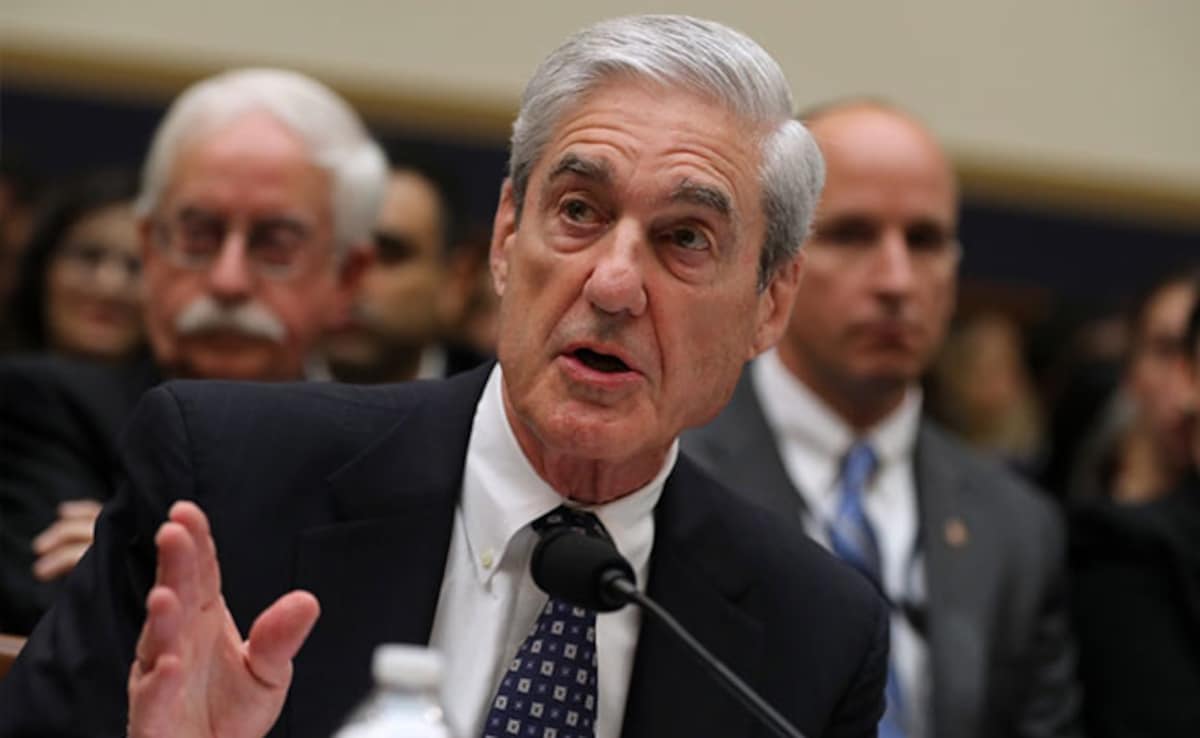
Robert Mueller didn't care if you liked him. In a city like Washington, where reputation is often traded for influence, Mueller was an anomaly—a man who lived by a rigid, almost monastic code of duty. When news broke that the former FBI Director and Special Counsel passed away on March 20, 2026, it didn't just mark the end of a long life; it felt like the closing of a specific chapter in American law enforcement.
He was often called "Bobby Three Sticks" because of the Roman numeral at the end of his name, a nickname he reportedly loathed. It sounded too flashy for a man who wore the same style of white button-down shirt and simple tie for decades. He was the "no-nonsense" chief who stared down presidents and mobsters with the same unblinking gaze.
Whether you view him as the ultimate public servant or a "deep state" antagonist depends entirely on your politics, but you can't ignore the shadow he cast over the last quarter-century.
From the jungles of Vietnam to the Department of Justice
Mueller’s worldview wasn't formed in a boardroom. It was forged in the 1960s. After graduating from Princeton, he could’ve easily dodged the draft. Instead, he joined the Marines. He led a rifle platoon in Vietnam, earned a Bronze Star for heroism under fire, and took a bullet in the leg.
That military discipline never left him. When he returned and eventually found his way into the Department of Justice, he approached law enforcement with a literal "front lines" mentality. He wasn't some desk-bound bureaucrat. In the 1990s, he took a demotion just so he could get back into a courtroom to prosecute homicides in D.C. He wanted to be where the action was.
Before he ever heard the name Donald Trump, Mueller had already taken down some of the biggest names in crime:
- John Gotti: The "Teflon Don" finally met his match when Mueller oversaw the Criminal Division.
- Manuel Noriega: He led the prosecution against the Panamanian dictator.
- Pan Am Flight 103: He was the driving force behind the investigation into the Lockerbie bombing.
The man who reinvented the FBI in a week
Mueller was sworn in as FBI Director on September 4, 2001. Seven days later, the Twin Towers fell.
He inherited a Bureau that was basically a collection of 56 independent fiefdoms focused on bank robberies and local mobsters. 9/11 changed everything. Mueller had to pivot an entire 30,000-person organization from reactive crime-solving to proactive intelligence-gathering.
It wasn't a smooth transition. There were massive IT failures and internal pushback. But Mueller stayed for 12 years—receiving a rare two-year extension from President Obama because nobody wanted to see him go during a period of such high national security risk. He stayed longer than any director since J. Edgar Hoover, but for very different reasons.
The Special Counsel years and the 2019 report
When Robert Mueller was appointed Special Counsel in 2017 to investigate Russian interference in the 2016 election, the country expected a cinematic showdown. Instead, they got a 448-page document written in the driest legal prose imaginable.
Mueller’s "no-nonsense" reputation became a double-edged sword during this period. To his supporters, his silence was a sign of integrity—he wouldn't leak, and he wouldn't grandstand. To his detractors, he was a "witch hunter" or, conversely, a man too cautious to call a spade a spade when it came to obstruction of justice.
His report concluded two things very clearly:
- Russia interfered in the election in a "sweeping and systematic fashion."
- While the report didn't conclude the President committed a crime, it also explicitly stated it did not exonerate him.
Mueller’s refusal to provide a "yes or no" answer on obstruction frustrated everyone. But that was Mueller. He followed the rules of the Department of Justice to a fault. Since he couldn't indict a sitting president, he felt it would be unfair to even accuse him of a crime he couldn't legally defend himself against in court. It was a peak "straight arrow" move that left the political world in a state of permanent agitation.
Why his legacy is under fire today
By 2026, the Mueller Report has become a historical Rorschach test. Many legal experts now argue that Mueller’s rigid adherence to DOJ policy allowed political actors to spin his findings before the public even read them. Others argue he was the last of a dying breed: a non-partisan actor in a hyper-partisan world.
Honestly, we don't see people like Mueller anymore. He didn't have a Twitter account. He didn't do "exclusive" sit-down interviews to rehab his image. He spoke through indictments and court filings. In a world of influencers and "personal brands," Mueller’s brand was simply "The Law."
If you want to understand why the U.S. justice system looks the way it does today, you have to look at Mueller's career. He built the modern counter-terrorism apparatus. He set the precedent for how special counsels operate. He showed that even the most decorated "hero" can become a villain depending on which news channel you watch.
You should take the time to read the executive summaries of the Mueller Report if you haven't. Don't rely on the talking points from 2019. It’s the best way to see the "no-nonsense" mind at work—completely devoid of fluff, strictly focused on the evidence, and entirely indifferent to whether you find the ending satisfying or not.