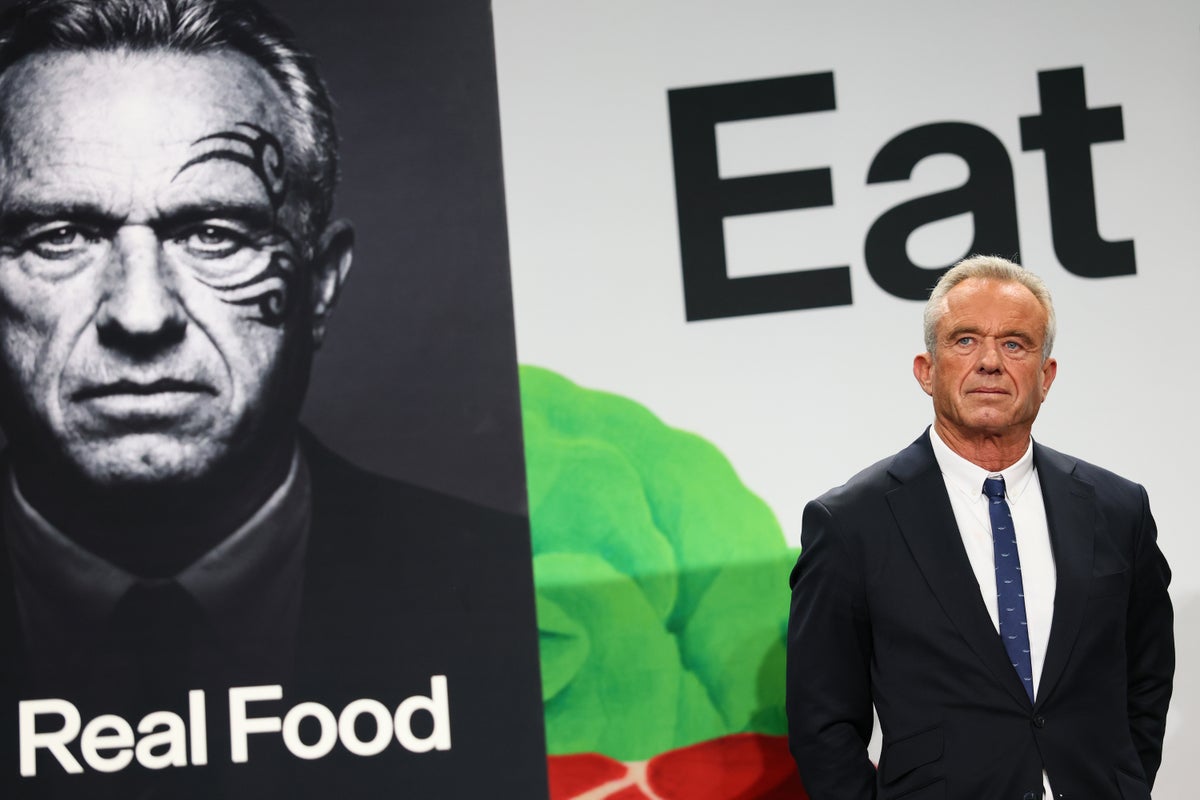
Robert F. Kennedy Jr. just picked a fight with a New England icon, and it's not because he dislikes the taste of a medium regular. As the head of the "Make America Healthy Again" (MAHA) movement and current Secretary of Health and Human Services, Kennedy is demanding that Dunkin' and Starbucks prove their signature iced drinks are actually safe for teenagers. He isn't just asking for a nutrition label. He wants safety data that justifies serving a 115-gram sugar bomb to a 15-year-old.
It's a bold move. Most politicians wouldn't dare touch the brand that basically fuels the Northeast, but Kennedy’s entire platform is built on the idea that our food system is fundamentally broken. During a recent rally in Austin, he pointedly asked how a teenage girl drinking an iced coffee with more sugar than three cans of Coke could possibly be considered "safe." He’s betting that the chains can’t actually answer that question with science.
The Sugar Math That Should Scare You
Let’s be real about what’s actually in those plastic cups. A standard large Dunkin' Iced Coffee with cream and sugar isn't just "sweet." It’s an industrial-scale delivery system for refined carbohydrates. While a single glazed donut has about 13 grams of sugar, some of the specialty iced lattes and frozen coffees at these chains can rocket past 100 grams.
To put that in perspective, the American Heart Association says kids and teens should stay under 25 grams of added sugar for the entire day. One drink from Dunkin' can hit four times that limit before the first period bell rings. Kennedy is leaning on a specific legal strategy here: the "GRAS" loophole. Most food additives are "Generally Recognized as Safe," a designation that allows companies to self-certify their ingredients. Kennedy wants to blow that wide open, forcing companies to prove safety rather than the government having to prove harm.
It’s a subtle but massive shift in how we regulate what we eat. If he succeeds, "standard" menu items might suddenly require the kind of clinical backing usually reserved for new medications.
It Is Not Just About The Sugar
While the headlines focus on the sugar, the caffeine content in these drinks is the silent partner in this health crisis. Your average home-brewed cup of coffee has about 95 mg of caffeine. A large Dunkin' Iced Coffee? It can pack nearly 400 mg. That’s the maximum recommended daily limit for a full-grown adult, squeezed into a single cup often sold to minors.
For a teenager, 400 mg of caffeine isn't a "pick-me-up." It’s a heart-racing, sleep-depriving dose that can trigger:
- Severe anxiety and "the jitters"
- Spikes in blood pressure
- Disruption of bone development (since caffeine can interfere with calcium absorption)
- Deep-seated sleep cycles issues that affect brain development
The FDA hasn't set a "safe" limit for kids, but most pediatricians suggest staying under 100 mg for teens. When a chain sells a drink that is 4x that limit, they're essentially selling a legal stimulant drug in a dessert-flavored wrapper. Kennedy’s argument is that we've normalized this to the point of insanity.
Why The Coffee Giants Are Panicking
The reason this matters is that Kennedy isn't just shouting into the void. He’s the Secretary of HHS. He has the power to direct the FDA to re-evaluate these ingredients. If the "Generally Recognized as Safe" status for high-fructose corn syrup or certain synthetic dyes gets revoked, it wouldn't just change Dunkin’—it would rewrite the entire American pantry.
Governors like Maura Healey in Massachusetts have already pushed back, basically telling the federal government to keep its hands off their state's favorite coffee. But the "MAHA" movement is gaining steam in statehouses across the country. West Virginia already banned several food dyes, and California is phasing ultra-processed foods out of schools. The momentum is shifting away from corporate convenience and toward aggressive transparency.
What You Can Do Right Now
You don't have to wait for a federal mandate to protect your own health or your kids' health. The "pink drink" or the "caramel swirl" might look great on Instagram, but it's a metabolic nightmare. If you’re a regular at these chains, start making these shifts immediately:
- Check the App: Most people don't realize the "default" settings for flavor swirls add massive amounts of sugar. Switch to "flavor shots," which are unsweetened, instead of "swirls."
- Size Down: There is zero reason for a teenager to drink a 32-ounce iced coffee. A small (16 oz) still has plenty of caffeine but cuts the sugar load significantly.
- Demand Transparency: Use your voice as a consumer. Ask why these companies don't have clear caffeine warnings on their menus.
The era of "ignorance is bliss" in the drive-thru is ending. Whether you love RFK Jr. or hate him, he’s forcing a conversation that is decades overdue. It's time to stop treating liquid candy like a morning necessity. Start by ordering your next coffee black or with just a splash of milk. Your heart and your blood sugar will thank you long before the government ever gets around to passing a law.