We’re twenty-one days into a conflict that wasn't supposed to last ten. When Operation Epic Fury kicked off on February 28, the rhetoric coming out of the White House was all about "decapitation strikes" and a "very complete" victory. Fast forward to late March 2026, and the reality looks a lot messier. President Trump is finding out the hard way that while you can kill a Supreme Leader with a well-placed missile, you can't kill the economic ripples that follow.
The math just isn't adding up for the administration right now. You’ve got Brent Crude sitting stubbornly high—hitting $115 to $120 a barrel before "cooling" to $90—and a Strait of Hormuz that's basically a graveyard for global trade. It’s a classic case of military success meeting strategic failure. Sure, the IRGC's top brass has been hollowed out, but the "pain-free off-ramp" Trump promised has vanished.
The Price at the Pump and the Polls
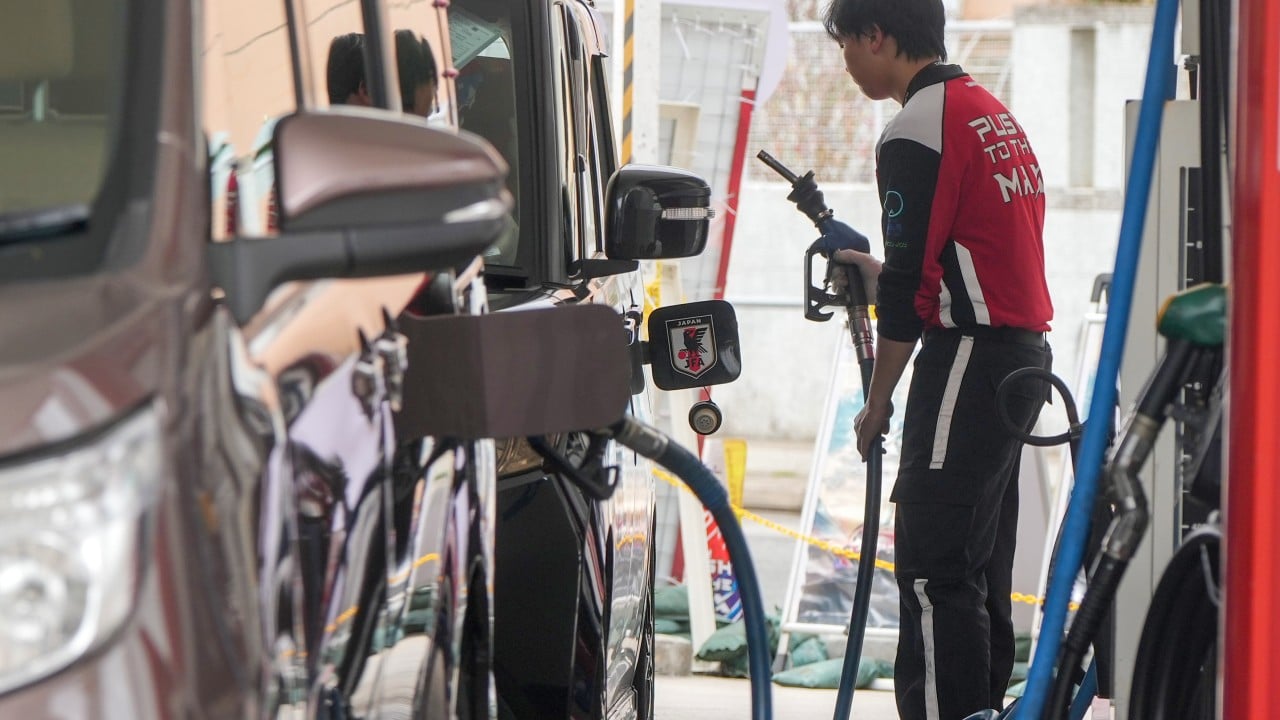
If you’re living in middle America, the war isn't about the strikes on Bandar Anzali or the death of Ali Mohammad Naini. It’s about the fact that gasoline prices jumped 7.5% in a single week. For many, that’s a $3.20 per gallon reality that hits a lot harder than a Pentagon briefing. Trump has called these rising costs a "very small price to pay," but that’s an easy thing to say when you aren't the one balancing a household budget.
The timing couldn't be worse with the 2026 midterms looming. Historically, the party in power takes a hit during midterms anyway. Add a 23% spike in average fuel costs for Americans, and you’ve got a recipe for a political bloodbath. The administration is trying everything—Strategic Petroleum Reserve releases, naval escorts for tankers—but these are Band-Aids on a severed artery.
Global Isolation is a Quiet Killer
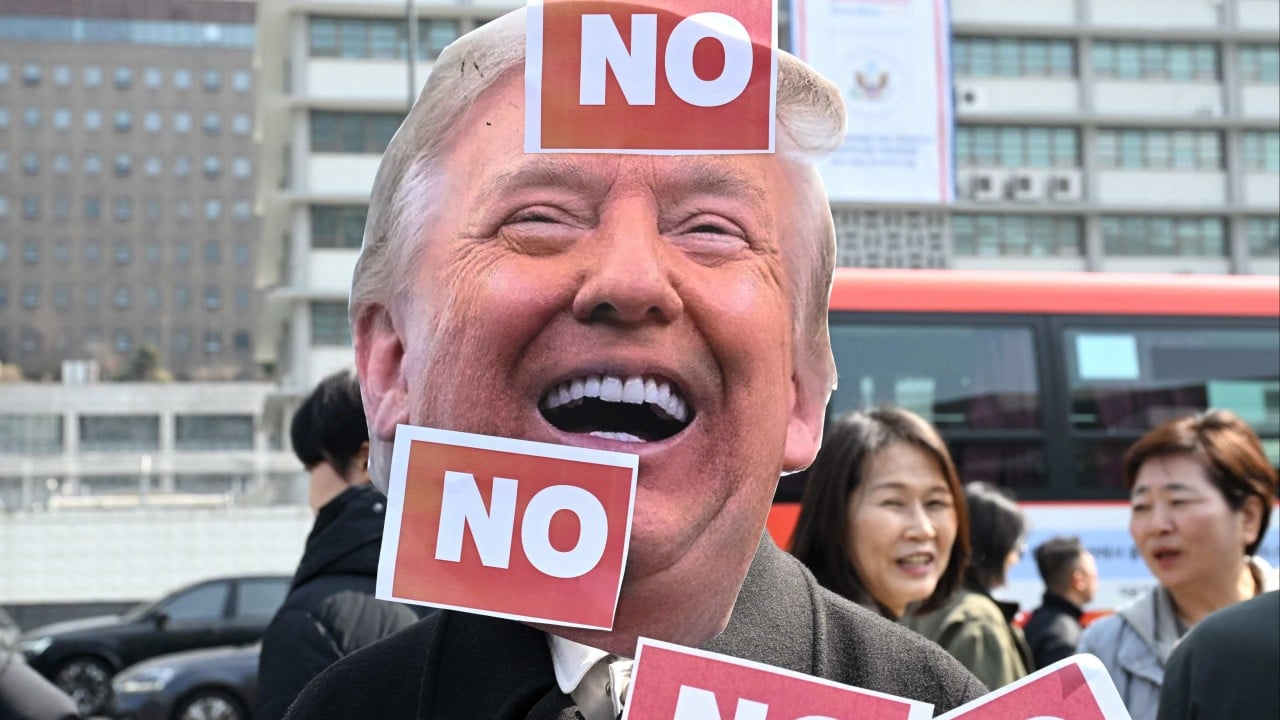
It’s not just about the money. We’re seeing a level of global side-eye that’s becoming impossible to ignore. While the U.S. and Israel are locked in, long-time allies are backing away. Japan’s Prime Minister Takaichi Sanae basically told Trump "no thanks" on sending military assets to unblock the Strait, citing constitutional limits. That’s a polite way of saying they don't want to get dragged into a quagmire with no exit strategy.
Even the UK is keeping its distance. The British public is disgusted by the Iranian regime’s crackdown on protesters, but they’re equally skeptical of a war that lacks a clear legal basis. It’s a lonely place to be. When you’re the world's superpower and your "coalition" is looking thin, your leverage disappears.
- China's Bind: Beijing is playing both sides, acting as Iran’s economic lifeline while trying to look like a global peacemaker.
- Russia's Gain: Every time a barrel of oil ticks up, Putin’s war chest for Ukraine gets a top-up.
- The EU's Struggle: Europe is facing a stagflation nightmare as Qatari LNG shipments dry up.
Why Tactical Wins Aren't Strategic Victories
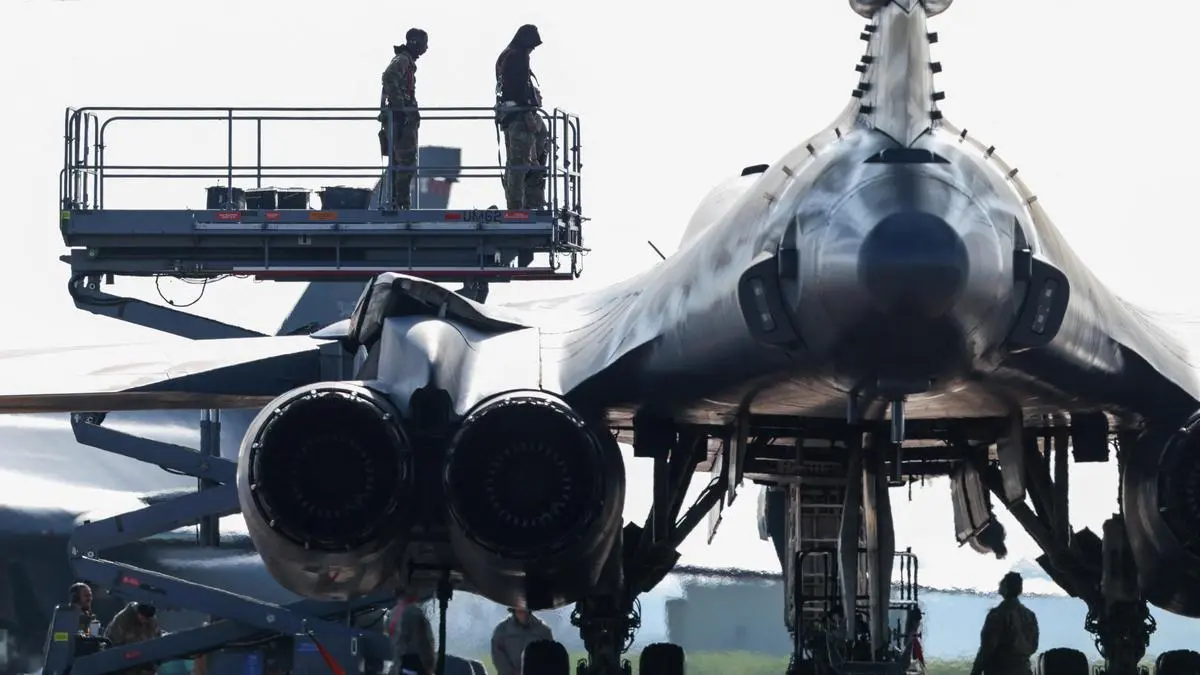
The Pentagon is checking off boxes. Destroyed missile sites? Check. Eliminated leadership? Check. But what’s the "Day After" plan? There isn't one. Trump’s bet was that the Iranian people would rise up and end the Islamic Republic once the bombs started falling. Instead, we’re seeing "IRGCistan"—a harder-line, even more desperate version of the security apparatus digging in.
Netanyahu and Trump are hailing battlefield goals, but experts like Max Boot are pointing out the obvious: there’s no roadmap. You can't bomb a country into a stable democracy, and you certainly can't do it while the global economy is screaming in the background.
The Hidden Supply Chain Crisis
Look beyond the oil. Nearly a third of the world's fertilizer components come from the Middle East. If this war drags through the summer, we’re looking at a global food security emergency. The UN is already warning that 45 million more people could face acute food insecurity. This isn't just "some excursion" in the desert. It's a systemic shock to the way the world eats and works.
In places like India, restaurants are already shrinking menus because they can't get commercial LPG. In Thailand, hotel bookings have cratered because people are terrified of being stranded. This is the "toxic repercussion" that doesn't show up on a military map.
What You Should Watch for Next
Don't get distracted by the "mission accomplished" rhetoric. The real indicators of where this is going aren't in Tehran; they're in the markets and the diplomatic cables.
- Core Inflation Data: If oil stays above $100, the Fed won't be able to cut rates. That means your mortgage and car loan stay expensive.
- The "Sleeper Cell" Narrative: Watch how the administration handles domestic security. If the "victory" feels hollow, expect more talk about external threats to distract from the economic pain.
- Diplomatic Defections: Keep an eye on the G7. If more allies start pushing for a "sanctions removal" deal to get Iranian oil flowing again, it’s a sign that Trump’s maximum pressure has hit its limit.
The reality is that we're in a war of attrition—not just with Iran’s military, but with the world's patience and the American taxpayer's wallet. Move your investments into energy-resilient sectors and keep a close eye on those midterm polling numbers. The political fallout is going to last a lot longer than the strikes.