Identity is the only currency that matters in a functional society. When you strip it away, you aren’t "protecting dissent"; you are subsidizing a vacuum of accountability.
The current media hand-wringing over mask bans—framed as a binary choice between "public health" and "state repression"—is a lazy intellectual trap. Most pundits argue that lawmakers are simply trying to "quiet protesters" or that bans are a direct assault on the First Amendment. This narrative is comfortable, familiar, and fundamentally wrong. It treats the mask as a static object of cloth or plastic, rather than what it has become: a piece of high-tech obfuscation equipment that breaks the social contract.
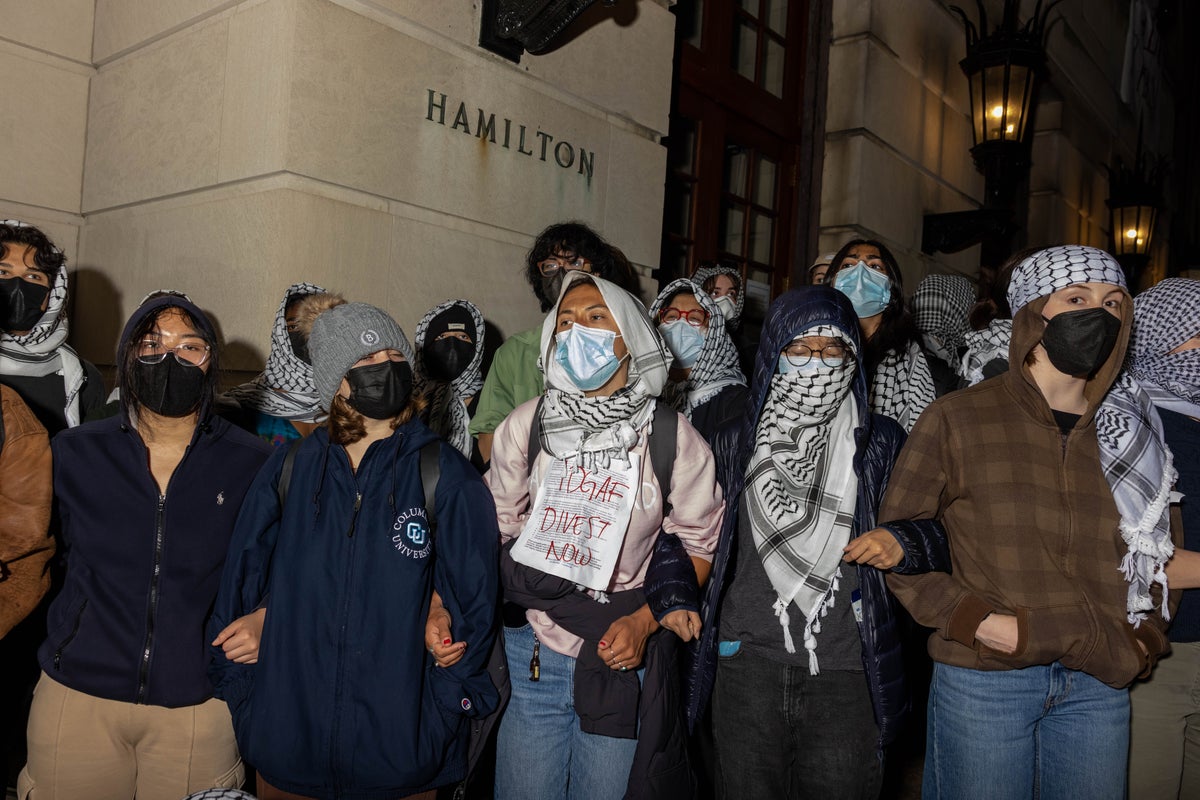
We need to stop pretending that a person in a balaclava at a 2026 street rally is the same as a person wearing a surgical mask in a cancer ward. The former is a deliberate act of digital and physical evasion. The latter is a medical necessity. By conflating the two, activists have managed to turn a basic tool of hygiene into a Trojan horse for consequence-free chaos.
The Myth of the Anonymous Citizen
Western democracy was never built for anonymity. It was built for pseudonymity at best (think The Federalist Papers), but even then, the actors were physically present and socially rooted. When you walk into a public square, you enter a space of mutual recognition. You see me; I see you. This "mutual visibility" is the friction that keeps society from sliding into tribal warfare.
I’ve spent a decade analyzing how digital behaviors bleed into physical spaces. In the early 2010s, we thought the internet would be a "global village." Instead, it became a basement where everyone wears a digital mask, leading to the most toxic discourse in human history. Now, that same "online" psychology—where you can say or do anything because nobody knows your name—has spilled onto our sidewalks.
Mask bans aren't about stopping people from speaking. They are about forcing people to own what they say. If your conviction is so fragile that it requires a face covering to express, it isn’t a conviction; it’s a performance.
Public Safety is a Red Herring
Lawmakers keep using the "public safety" line because it’s the only legal lever they have left. They talk about retail theft and "flash mobs." While it’s true that organized retail crime has surged—using masks as a primary tool to defeat AI-driven loss prevention systems—that’s just the surface.
The real issue is the asymmetry of surveillance.
Currently, the state and private corporations have more data on you than your own mother does. In response, the "lazy consensus" says we should all mask up to "fight the algorithm." This is a losing battle. You cannot out-mask a system that can identify you by your gait, your heart rate (via remote laser sensing), or the unique MAC address of the phone in your pocket.
Masking in public for "privacy" is like trying to hide from a thermal camera by wearing a t-shirt. It doesn't work, but it does make the people around you feel unsafe. You aren't hiding from the government; you are only hiding from your neighbors.
The Logic of the Physical Commons
Imagine a scenario where every person at a town hall meeting wore a full-face theatrical mask. You wouldn't know if you were talking to a neighbor, a paid lobbyist, or a foreign agitator. The quality of the interaction would collapse.
This is the "Physical Commons." For it to function, there must be a baseline of trust. Anonymity is the enemy of trust.
- Social Friction: Knowing someone can recognize you later prevents you from throwing a brick through a window.
- Democratic Legitimacy: We need to know that the "thousands" of people protesting are actually unique individuals and not a small group of highly mobile, masked actors creating the illusion of a mass movement.
- Criminal Utility: The mask is a force multiplier for the coward. It allows the individual to hide within the mob, offloading their personal morality onto the collective.
The Medical "Gotcha" Argument
"But what about the immunocompromised?"
This is the favorite shield of the anti-ban lobby. They find a legitimate edge case—someone with a stage 4 cancer diagnosis—and use them as a human shield to protect the right of a 22-year-old anarchist to wear a black gaiter while blocking traffic.
The solution is simple, and most of the new legislation already includes it: Medical exemptions.
If you have a doctor’s note or a clear medical need, wear the N95. No one—not even the most hawkish lawmaker—is looking to arrest a grandmother with an oxygen tank. But let’s be honest: the people these laws are targeting aren't wearing N95s for health. They are wearing masks to hide. Using the disabled as a rhetorical prop to defend the "right" to be a masked agitator is a cynical move that should be called out every time.
Why the "First Amendment" Argument Fails
Freedom of speech is not freedom from identity.
The Supreme Court has historically allowed for "time, place, and manner" restrictions on protests. If you want to protest, protest. Hold the sign. Scream at the top of your lungs. But do it with your face visible.
In fact, the most effective protests in history were effective precisely because the participants refused to hide. Civil rights protesters in the 1960s didn't wear masks. They wanted the world to see their faces, to see their humanity, and to see exactly who the state was arresting. By masking up, modern protesters are actually dehumanizing themselves, making it easier for the public to dismiss them as a faceless, menacing "other."
The High Cost of the Masked Society
We are currently paying a "trust tax." Because we can no longer see each other's faces in certain urban environments, we have:
- Increased Policing: When visual identification fails, the state resorts to more invasive measures (biometric tracking, more boots on the ground).
- Commercial Deserts: Businesses close when they can’t identify people who rob them, leading to "food deserts" in the very neighborhoods that need shops the most.
- Social Isolation: We are becoming a society of strangers who fear one another because we’ve lost the ability to read facial cues—the most basic form of human communication.
The Path Forward: Radical Visibility
The "counter-intuitive" truth is that to save our privacy from the government, we must first reclaim our visibility with each other.
We should be fighting for digital privacy laws—legislation that prevents the government from storing our facial data without a warrant—rather than fighting for the "right" to wear a mask in the grocery store. One is a systemic solution to a systemic problem; the other is a band-aid that only serves to alienate us from our community.
If you want to live in a society where you don't need a mask, you have to support the laws that make masks unnecessary for the law-abiding and impossible for the law-breaking.
Stop defending the mask. Start defending the person behind it. But make sure we can see who that person is first.
Take the mask off. Stand by your words. Own your space in the world.