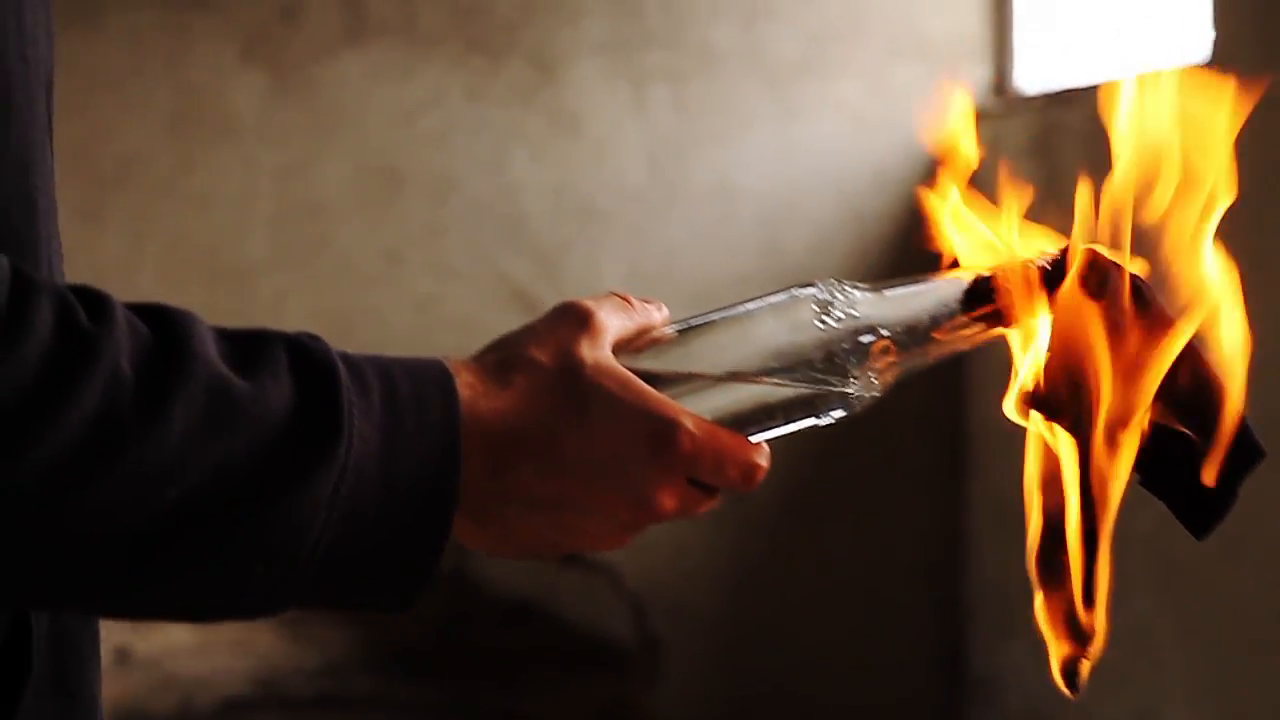
The headlines are predictable. "Fuel prices push households to the brink." "The common man is drowning." "Government drops a petrol bomb." It is a masterclass in lazy, emotive journalism that ignores the brutal physics of global energy markets and the toxic reality of Pakistan’s fiscal addiction.
Let’s get one thing straight. The "petrol bomb" isn't the price hike. The petrol bomb is the decade of artificial subsidies that vaporized the national treasury to keep a liter of fuel cheaper than a bottle of mineral water. We aren’t suffering because prices are high today. We are suffering because we lived a lie for twenty years, and the bill has finally arrived with interest.
The Myth of the "Affordable" Subsidy
Every time the government freezes fuel prices, they aren't "helping the poor." They are taking out a high-interest payday loan in the name of the next generation.
When the international price of Brent crude hits $80 or $90 a barrel and the local pump price stays static, the difference doesn't just vanish into thin air. It becomes a line item on a circular debt spreadsheet that eventually triggers an IMF intervention, a currency devaluation, and double-digit inflation.
By subsidizing fuel, Pakistan effectively subsidized the SUVs of the elite under the guise of helping the motorcyclist. Data from the Pakistan Bureau of Statistics consistently shows that the top quintile of earners consumes the vast majority of fuel. A flat subsidy is a regressive wealth transfer from the taxpayer to the car-owning class. Stopping this isn't an attack on the poor; it is a long-overdue surgical strike on a broken fiscal policy.
Stop Asking for Cheaper Fuel
If you’re asking when fuel prices will go down, you’re asking the wrong question. The right question is: Why is our economy so fragile that a 20-rupee fluctuation in energy costs brings the entire country to its knees?
The obsession with "cheap" energy has stunted Pakistani innovation. When energy is artificially cheap, there is zero incentive for efficiency.
- Industries ignore modern, energy-efficient machinery.
- Logistics firms stick with ancient, gas-guzzling truck fleets.
- Urban planning continues to prioritize sprawl over high-density, transit-oriented development.
Cheap fuel is a sedative. It masks the rot of an unproductive economy. High prices are the smelling salts. They force a brutal, necessary pivot toward efficiency that should have happened in 1990.
The Logistics Fallacy
The most common argument against market-parity fuel pricing is the "cost of living" ripple effect. "If petrol goes up, the price of tomatoes goes up," the pundits scream.
This is a half-truth used to justify total economic stagnation. Yes, transport costs impact food prices, but the primary driver of food inflation in Pakistan isn't just the fuel in the truck—it’s the crumbling infrastructure, the middleman’s "arhti" margins, and the massive post-harvest losses due to a lack of cold chain storage.
Focusing on the fuel price is a distraction from the fact that our agricultural supply chain is Victorian. If we had a modern railway network for freight, the price of petrol would be a secondary concern for the price of a tomato. We are crying about the cost of the fuel because we are too inefficient to use anything else.
The IMF is the Only Adult in the Room
It is fashionable to paint the IMF as a colonial villain forcing "austerity" on a suffering population. This narrative is pathetic.
The IMF is the lender of last resort. You only call them when you’ve already burned your house down and the neighbors won't lend you a bucket of water. Their insistence on ending fuel subsidies and the Petroleum Development Levy (PDL) isn't "cruelty"—it’s basic accounting.
$$Fiscal\ Deficit = Total\ Spending - Total\ Revenue$$
When your spending on subsidies exceeds your revenue from exports, you go bankrupt. There is no "third way." There is no "Islamic socialism" variant of math. If the government cannot collect enough tax to cover the subsidy, the subsidy must die.
The Electric Pivot is Not a Luxury
The contrarian truth is that high fuel prices are the single greatest catalyst for Pakistan’s energy independence. As long as petrol is "affordable," no one buys an EV. No one installs solar. No one considers a hybrid.
We spend billions of dollars in precious foreign exchange reserves importing oil. Every liter of petrol burned in a congested Karachi traffic jam is a liter we had to beg a foreign bank for the money to buy. By making fuel expensive, the market is finally doing what the government never could: forcing a transition to indigenous energy.
I’ve seen dozens of textile mills and manufacturing units ignore solar for years because "the ROI wasn't there." Now, with fuel and grid prices skyrocketing, they are lining up to install megawatts of PV panels. That isn't a crisis; that’s a structural upgrade.
Reality Check: The Pain is the Point
Let’s be brutally honest. This hurts. It hurts the laborer on a 70cc bike. It hurts the small business owner. But the alternative isn't "cheap fuel"—the alternative is Lebanon. The alternative is a total collapse of the banking system where your savings disappear and the lights go out for 22 hours a day because the country can't open a single Letter of Credit for fuel.
The "petrol bomb" isn't a disaster; it’s a controlled demolition of a failed economic model.
How to Actually Survive This
Instead of protesting for subsidies that will only bankrupt the country faster, the public and the private sector need to pivot:
- Ditch the Internal Combustion Engine: If you are buying a new vehicle today that isn't at least a hybrid, you are making a massive financial mistake. The era of cheap fossil fuels in the Global South is over.
- Audit the Supply Chain: Businesses need to stop blaming "the government" and start looking at their own energy waste. Most Pakistani factories operate at 30-40% lower efficiency than their regional competitors.
- Demand Rail, Not Roads: The public should be screaming for a functional freight rail system. Moving 100 tons by train is infinitely more fuel-efficient than 10 separate trucks.
The days of the state acting as a shock absorber for global commodity shifts are dead. The government is broke. The reserves are thin. The "petrol bomb" has already gone off, and the only way out is to stop looking for a lighter and start building an economy that doesn't need one.
Stop mourning the death of the subsidy. Start building for a world where energy has a real price. The era of the free ride is over, and frankly, it's about time.
Pick up a bike. Buy a solar panel. Get efficient or get out of the way.