The thumb is a restless traveler. On a Tuesday night in October, millions of them were hitchhiking across glass screens, scrolling through a digital fever dream. Reports of missiles over Isfahan and Tel Aviv had turned the internet into a high-velocity pressure cooker. People weren’t just looking for news; they were looking for proof that the world as they knew it was still standing—or perhaps, in a darker corner of the psyche, proof that it was finally falling apart.
Suddenly, there it was. A video of a massive fireball blooming over a darkened skyline. The caption, written in the breathless, urgent dialect of the internet, claimed it was a direct hit on a sensitive military installation. Within minutes, it had forty thousand shares. By the hour, it was a million.
But there was a ghost in the machine.
If you looked closely—past the adrenaline and the terrifying orange glow—you might have noticed a small, incongruous detail in the corner of the frame. A palm tree that shouldn't have been there. A license plate from a country three borders away. Or perhaps, most damning of all, the fact that the video had actually been uploaded three years ago during a completely unrelated explosion in a different hemisphere.
We are living through the era of the "zombie clip." These are pieces of media that died months or years ago, only to be resurrected by the algorithms of chaos the moment a new conflict erupts. They don't just spread; they colonize our perception of reality.
The Architecture of a Digital Ghost
A missile strike is a physical event, but its shadow is purely digital. When the news broke that Iran had launched a volley of projectiles, the information vacuum was instantaneous. Humans loathe a vacuum. We fill it with whatever is available, and what is most available is often a lie.
Consider a person we’ll call Elias. He’s sitting in a small apartment, half a world away from the actual blast zones. His phone buzzes. A friend sends a link to a "leaked" video of a city in flames. Elias feels a jolt of cortisol. His heart rate climbs. He shares it instantly because he wants to warn his brother, his cousins, his followers. He thinks he is participating in the global conversation. In reality, he is a delivery mechanism for a digital virus.
The video Elias shared wasn't from the current strikes. It was a clip from a video game—Arma 3—captured with a shaky hand-held camera to mimic "citizen journalism." The graphics are so sophisticated now that the brain, under the influence of panic, fails to distinguish between pixels and propellant. The "facts" of the strike become secondary to the "feeling" of the footage.
This isn't an accident. It is a predictable glitch in human hardware. Our brains evolved to react to visual threats with immediate physical responses. We are wired to believe what we see. The problem is that we aren't seeing the world anymore; we are seeing a curated, recycled version of it.
The Anatomy of the Deception
During the recent escalations, three distinct types of visual ghosts haunted our feeds.
First, there was the Geographic Swap. This is the most common trick in the book. A fire in a refinery in Russia is rebranded as a hit on a base in Iran. The smoke looks the same. The terror is universal. Because most of us cannot distinguish the skyline of Isfahan from the outskirts of Riyadh at 3:00 AM through a grainy lens, we accept the caption as gospel.
Then came the Temporal Resurrection. This is the art of digging up old footage from 2021 or 2018 and presenting it as "Breaking News." It exploits our short digital memories. We consume so much content that we forget we saw that exact same fireball three years ago during a different crisis.
Finally, we saw the Simulation. This is the most chilling of the bunch. It involves using high-fidelity military simulators to create "combat footage" that never happened. These clips are designed to be "verified" by the casual observer. They have the right sound effects—the whistle of the incoming round, the muffled thump of the impact—but they are born in a computer, not a war zone.
Why does this matter? It matters because these videos aren't just harmless pixels. They drive policy. They influence markets. They send people into the streets in a state of misplaced rage. When a fake video of a hospital being hit goes viral, the diplomatic consequences are real, even if the event was a fiction.
The Hidden Price of "Being First"
The tragedy of the modern information cycle is that accuracy is the enemy of velocity. If a journalist takes two hours to verify the metadata of a video, they are "late." If an anonymous account with a blue checkmark posts it immediately, they "win" the engagement lottery.
We have built a system that rewards the first person to shout, regardless of what they are shouting.
Imagine a specialized verification team sitting in a windowless room. They are looking at a clip of a supposed drone strike. They use a technique called "geolocation." They look at the shadows cast by the streetlights. They calculate the angle of the sun. They cross-reference the architectural style of the minarets in the background with Google Earth.
"This isn't Tehran," one of them says. "This is a fire at a chemical plant in China from 2022."
By the time they publish their findings, the video has been seen by twelve million people. The "correction" will be seen by twelve thousand. The lie has already done its work. It has hardened the hearts of those who wanted to believe it and terrified those who feared it.
The Friction of Truth
The only way to fight a ghost is to turn on the lights. But the lights are heavy and slow.
To navigate this, we have to develop a sense of digital "friction." We have to learn to hesitate. When you see a video that makes your blood cold or your anger boil, that is precisely the moment you must stop. High emotion is the primary indicator of potential misinformation. If a video is designed to make you feel something immediately, it is likely designed to bypass your critical thinking.
The reality of the Iran strikes was complex enough without the help of Hollywood-style fabrications. There were real missiles. There were real sirens. There were people huddled in shelters, listening to the sky tear open. By circulating fake videos, we don't just spread lies; we insult the reality of those who are actually living through the conflict. We turn their genuine trauma into a spectator sport fueled by "likes" and "retweets."
When we share a clip without knowing its origin, we are contributing to a fog of war that never lifts. We are making it harder for the truth to breathe.
The Mirror in the Screen
The next time the world feels like it is tilting on its axis, and your feed begins to fill with the orange glow of distant fires, remember the palm tree in the wrong place. Remember the license plate that didn't fit.
We are not just consumers of information; we are its guardians. The "share" button is a heavy responsibility, not a toy. Every time we refuse to pass on a dubious clip, we are performing a small, quiet act of resistance against the chaos.
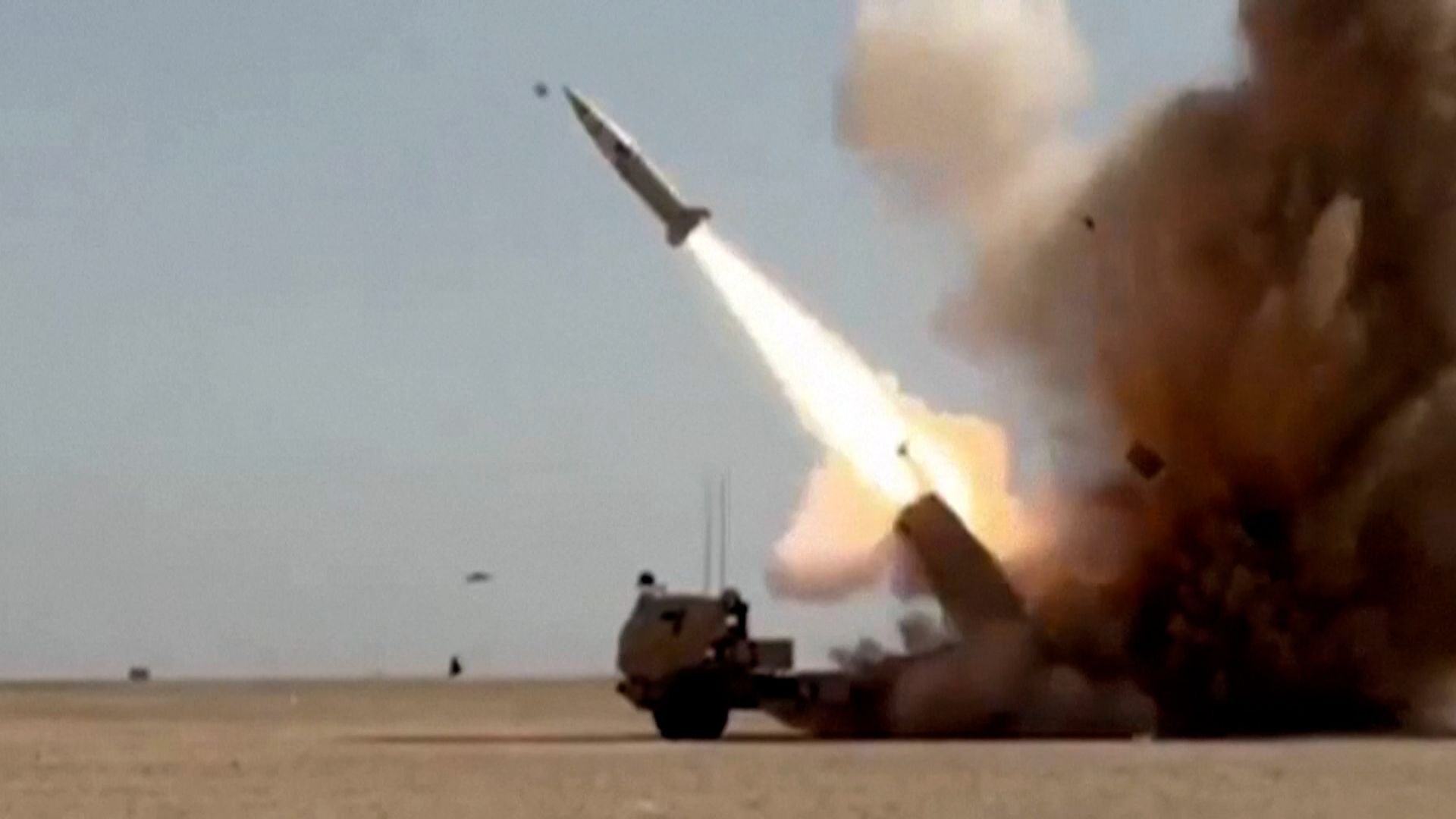
The most dangerous weapon in modern warfare isn't a missile launched from a desert battery. It’s the glowing rectangle in your pocket, and the phantom videos that live inside it, waiting for you to give them life.
The screen is a mirror. If the world looks like a chaotic, burning mess of lies, perhaps we should look at what our own thumbs are doing to help keep the fires burning.