Measles isn't just a "rash and a fever" from the Brady Bunch era. It's a respiratory virus that can literally wipe out your immune system's memory, leaving you vulnerable to every other bug under the sun for years. We've hit a strange point in 2026 where a lot of people think of it as a nostalgic childhood milestone, something you just get through with some calamine lotion and a few days off school. That's a dangerous lie.
If you're old enough to remember what measles actually looks like—the high-octane fever, the light sensitivity that feels like needles in your eyes, and the terrifying silence of a child who can't catch their breath—you have a responsibility. We need your stories. Not because of some political agenda, but because the collective memory of how scary this disease is has faded into a dangerous complacency. When people stop fearing the disease, they start fearing the prevention.
The Amnesia of the Immune System
Most people focus on the immediate symptoms. You get the spots, you feel like garbage, you get better. Except, that’s not the whole story. Research published in Science and Nature Communications has shown that measles causes "immune amnesia." It essentially resets your body’s internal library of how to fight off other infections.
Imagine your immune system is a high-security vault filled with blueprints on how to defeat the flu, strep throat, and pneumonia. Measles breaks into that vault and shreds the blueprints. Even after you recover from the measles itself, you're at a much higher risk of dying from something else because your body "forgot" how to defend itself. This isn't theoretical. Studies of historical data show that where measles thrives, mortality from all other infectious diseases spikes. It stays that way for up to three years. That’s a massive detail that rarely makes it into the 30-second news clips or the heated social media threads.
Why Personal Testimony Beats a Spreadsheet
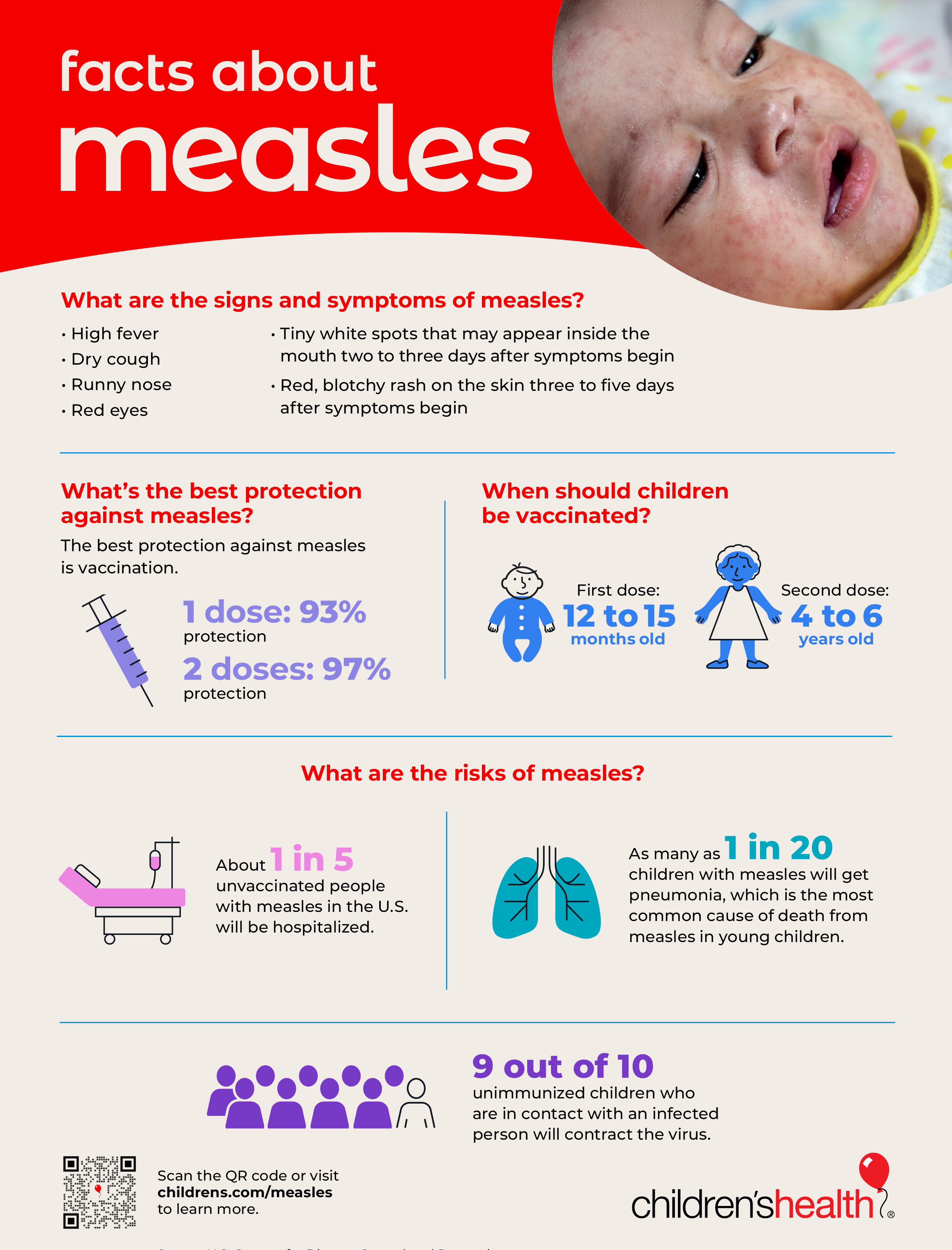
You can throw statistics at people all day. You can tell them that according to the World Health Organization, measles killed over 130,000 people globally in 2022, mostly children under five. You can explain that one in every 1,000 children who get measles will develop encephalitis, which is a fancy word for brain swelling that can lead to permanent deafness or intellectual disability.
Numbers are cold. They don't stick.
What sticks is the grandmother who remembers being quarantined in a dark room for a week because the light hurt so much. What sticks is the parent who watched their toddler’s fever climb to $105^\circ\text{F}$ while the child struggled to recognize them. These stories bridge the gap between "medical data" and "human reality." We've sanitized our history of infectious disease so much that we’ve forgotten why our ancestors were so terrified of it.
The Complications Nobody Mentions
Everyone talks about the rash. Hardly anyone talks about SSPE (Subacute Sclerosing Panencephalitis). It’s a rare, but 100% fatal, degenerative neurological disease that crops up years after a person "recovers" from measles. The virus hides in the brain, dormant, only to wake up five or ten years later to slowly dismantle the nervous system.
It's horrifying. It’s also entirely preventable.
We also ignore the secondary infections. Because measles suppresses the immune system so aggressively, secondary bacterial pneumonia is a common killer. It isn't just one disease; it's an invitation for every other pathogen to take a swing at you while you're down. If you lived through this, or if you cared for someone who did, your perspective is more valuable than any textbook. You've seen the "hidden" side of the recovery—the weeks of exhaustion, the lingering cough, and the fear of a relapse.
The Problem With the Natural Immunity Argument
There’s a growing trend of people claiming that "natural immunity" is superior to what we get from a syringe. While it’s true that surviving measles usually gives you lifelong protection against getting it again, the "cost of admission" is staggeringly high. Why would you choose to risk brain damage or a wiped-out immune system to get something you can get safely from two doses of a vaccine?
The vaccine uses a weakened version of the virus. It teaches your immune system the "blueprints" without the risk of shredding the existing library. In 2026, we have the luxury of choice, but that choice is being driven by a lack of lived experience. We are victims of our own success. Because vaccines worked so well for decades, we stopped seeing the devastation. Now, the devastation is creeping back in pockets across the country.
Breaking the Silence
If you’re a survivor, you might feel like your story is "old news." It isn't. In a world of digital noise and conflicting opinions, first-hand experience is the ultimate authority. You don't need to be a scientist to explain that being sick was miserable. You don't need a PhD to describe the panic of a hospital stay.
Don't wait for someone to ask. Write a letter to your local paper. Post your experience on your neighborhood forum. Tell your grandkids why those little marks on their arms matter so much. We need to ground the conversation in reality again.
Take Action Today
- Write it down. Spend ten minutes writing out your clearest memory of having the measles or watching a loved one suffer through it.
- Be specific. Don't just say it was bad. Mention the smell of the room, the sound of the cough, or the number of days you couldn't eat.
- Share your "why." Explain that you're sharing this not to argue, but to ensure that the next generation doesn't have to learn these lessons the hard way.
- Check the records. If you aren't sure of your own status or your kids' status, call your doctor. Serology tests can confirm immunity if records are lost.
Stop treating this as a private medical history. It’s a public health lesson that we’re currently failing. Your voice is the best tool we have to remind people that some things are worth fearing, and measles is definitely one of them.