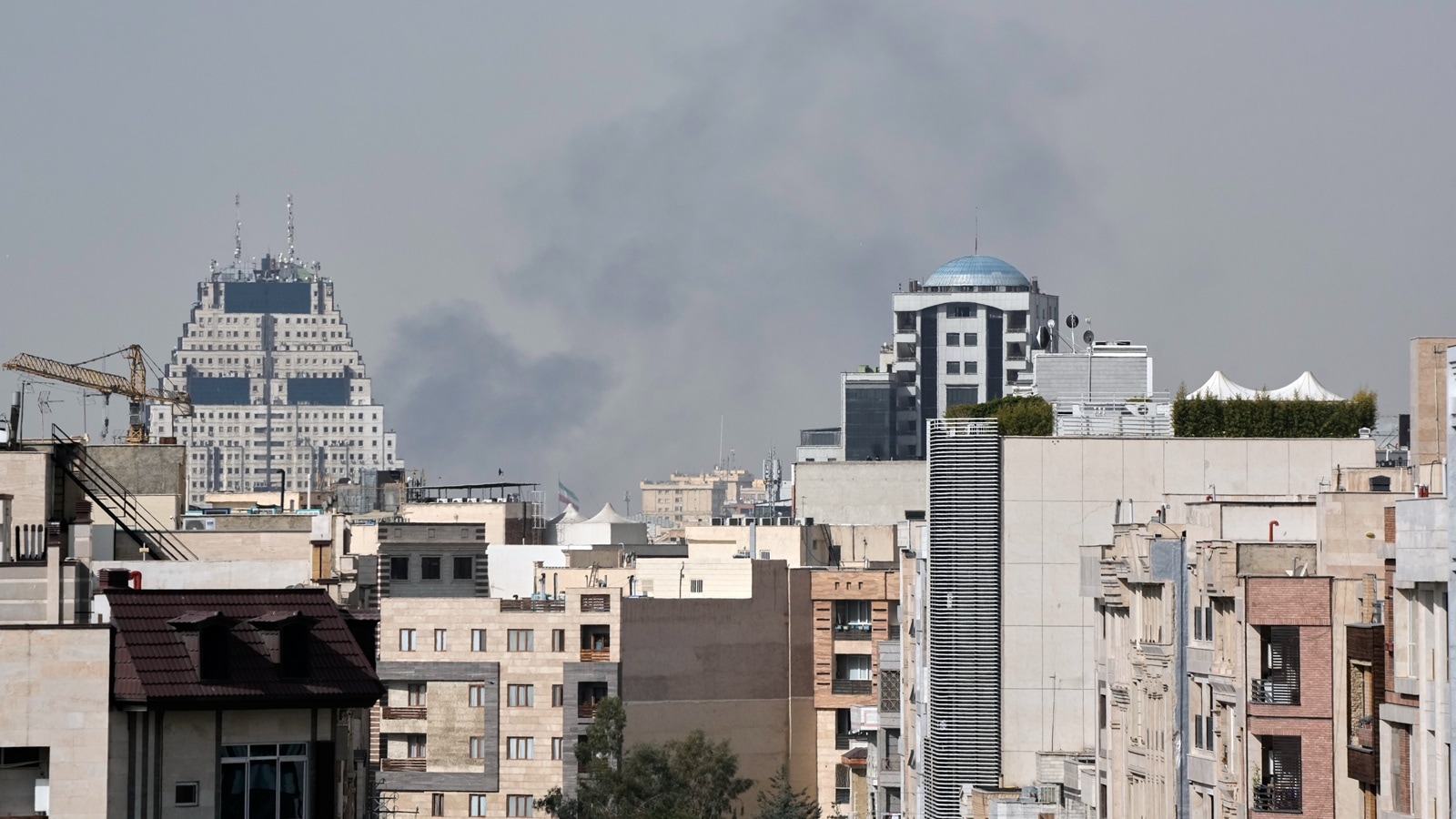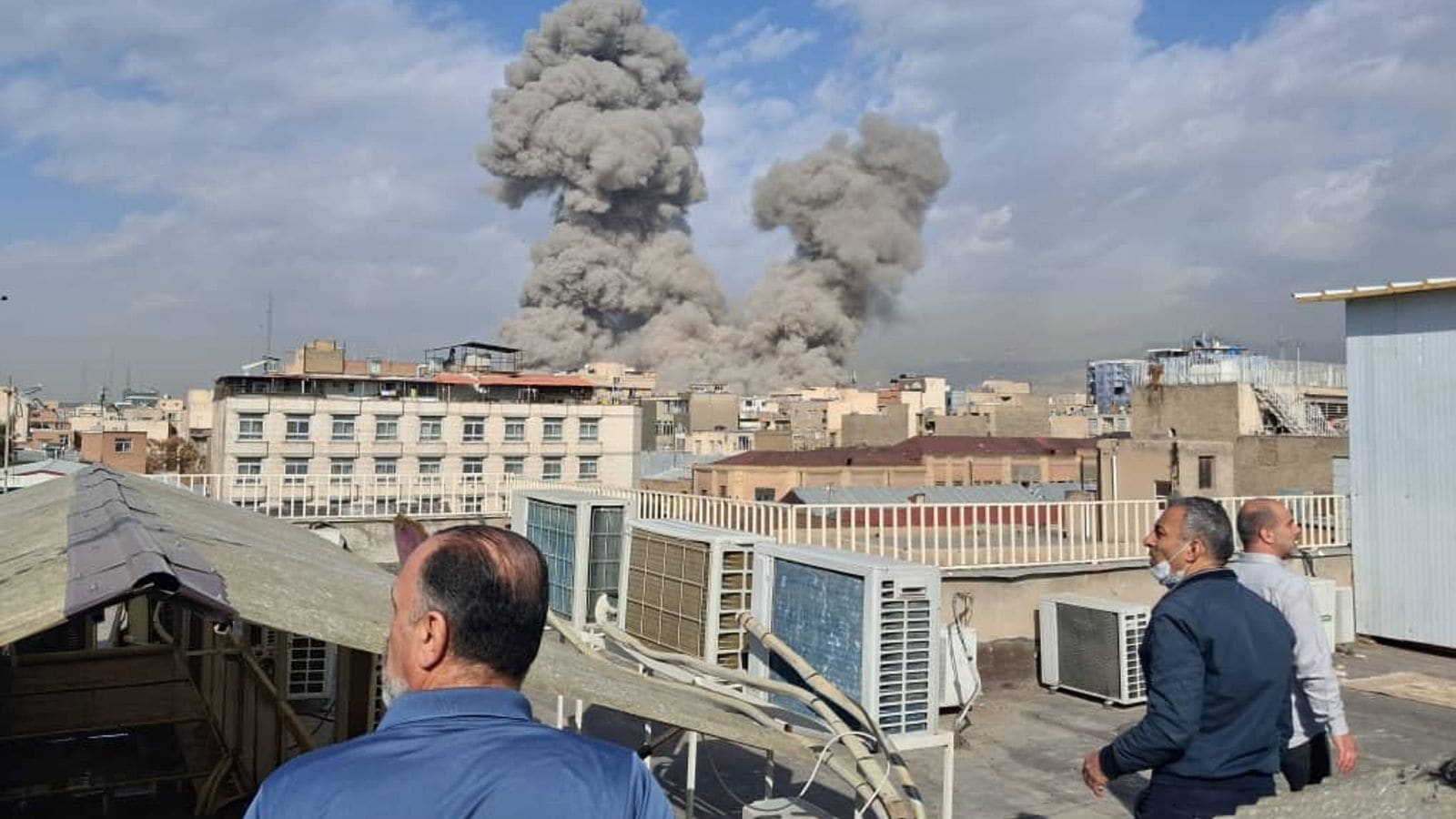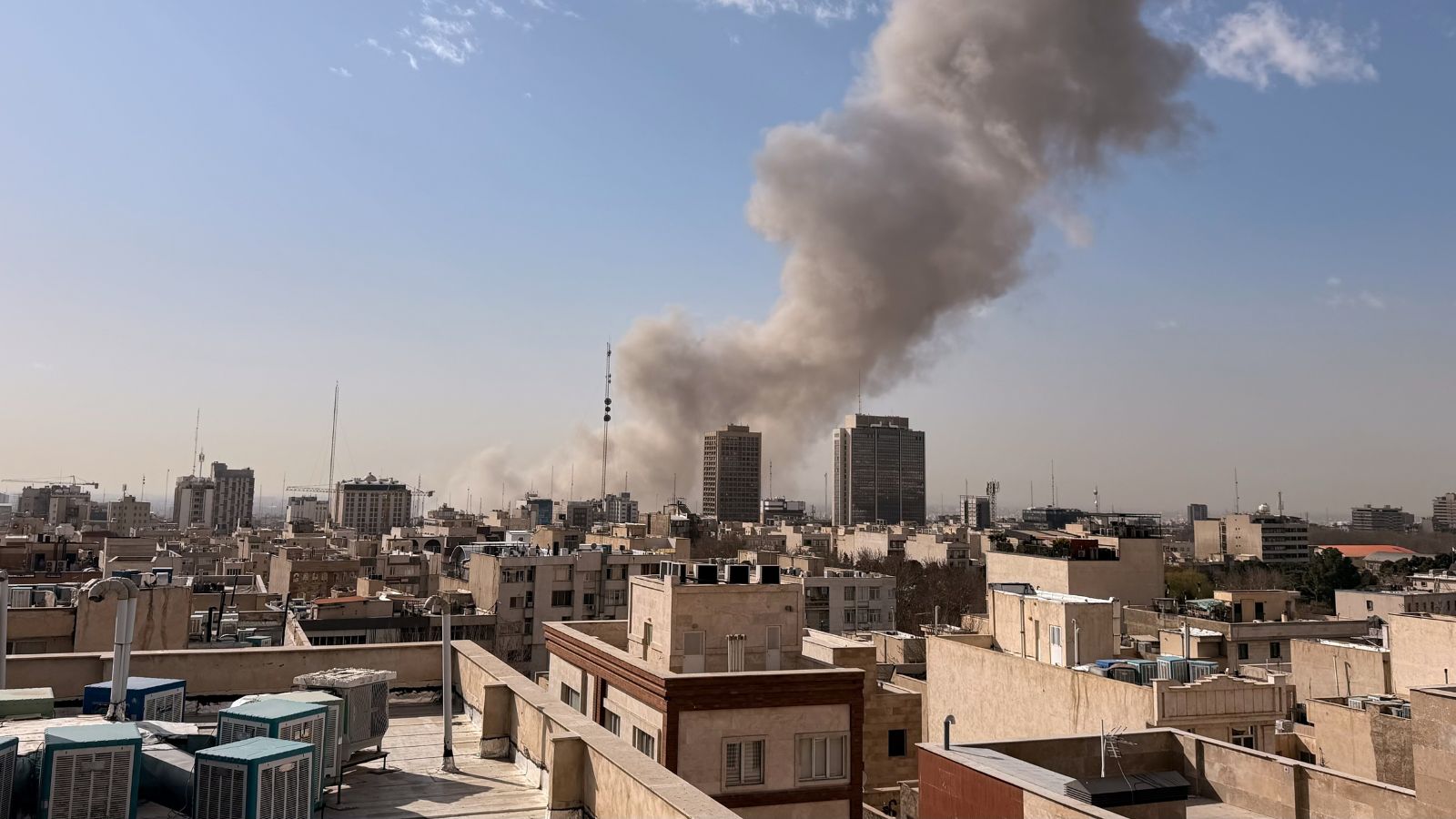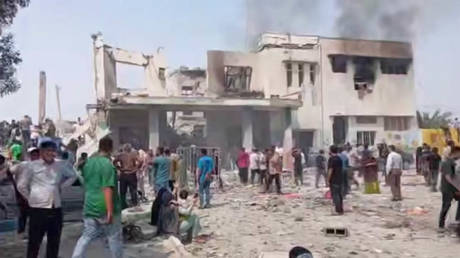
The smoke rising from the Hormozgan province on February 28, 2026, did more than just signal a new phase of the conflict between the West and the Islamic Republic; it marked the end of the "clean war" myth. While official communiqués from Tel Aviv and Washington spoke of Operation Genesis and Operation Epic Fury—a campaign designed to "remove threats" with surgical accuracy—the reality on the ground in Minab told a different story. Shajareh Tayyebeh, an elementary school for girls, was reduced to a graveyard of concrete and colorful backpacks.
The death toll is staggering. While early reports stabilized at 70, the figure has surged as rescue teams claw through the debris. Iranian state media now places the number of dead at 148, mostly children between the ages of seven and twelve. This was not a midnight strike on a deserted facility. The missiles struck at 10:45 AM, exactly when the school was most crowded, during a change in class periods.
Collateral Damage or Calculated Risk
To understand how a primary school becomes a target, one must look at the map, not just the building. The Shajareh Tayyebeh school sat approximately 600 meters from a Revolutionary Guards (IRGC) naval base. In the logic of modern high-intensity warfare, 600 meters is a margin of error that commanders often find acceptable when the stakes involve neutralizing ballistic missile capabilities or high-value assets.
Military analysts suggest the school may have been hit by a "drift" in a precision-guided munition or, more likely, was caught in the blast radius of a three-stage missile attack intended for the nearby naval infrastructure. The IDF has maintained its standard line, stating it is "not aware" of a strike on a school and reiterating that it operates in an "extremely accurate manner." However, the verified footage of the ruins, analyzed by independent forensic experts, shows a direct impact that suggests either a catastrophic intelligence failure or a willingness to accept "collateral damage" that exceeds any standard definition of proportionality.
The Intelligence Gap and the Human Toll
In the lead-up to the February 28 offensive, the United States and Israel utilized Task Force Scorpion Strike, a unit specializing in low-cost, one-way attack drones and standoff weapons. The goal was to paralyze the Iranian command structure—an objective seemingly achieved with the confirmed death of Supreme Leader Ayatollah Ali Khamenei in Tehran. Yet, the carnage in Minab illustrates the blind spots inherent in remote-warfare intelligence.
- Proximity: The school's location near an IRGC compound made it a high-risk zone under any targeting algorithm.
- Timing: Striking during a working Saturday, which is a standard school day in Iran, guaranteed high civilian presence.
- Munition Choice: The use of heavy bunker-busters or multi-stage missiles in semi-urban environments near the Strait of Hormuz inevitably leads to structural collapses in adjacent civilian buildings.
For the families in Minab, the technical explanations are irrelevant. Local reports describe a scene of chaos where parents used bare hands and building cranes to find their daughters. The Iranian Red Crescent has struggled to keep pace with the recovery, as the sheer scale of the destruction in Hormozgan province has overwhelmed local medical facilities.
A Regional Powder Keg
The Minab massacre has provided the Iranian regime with a powerful narrative of victimhood at a moment when it is most vulnerable. With the Supreme Leader dead and the country in a 40-day period of mourning, the "martyrdom" of nearly 150 schoolgirls is being used to galvanize a population that was, until recently, deeply divided by internal dissent.
Retaliation was swift. Within 24 hours of the Minab strike, Iranian ballistic missiles struck Beit Shemesh in central Israel, killing nine people—the highest Israeli casualty count since the escalation began. The cycle of "pre-emptive" strikes and "legitimate" responses has now spread to the Gulf states. Drones have hit luxury hotels in Dubai and airports in Qatar, effectively ending the era of regional stability that many took for granted.
The Myth of the Surgical Strike
This conflict was marketed as a move to support the Iranian people by removing a "wicked, radical dictatorship." However, when 150 children are buried in the south, the promise of "aid and help" sounds hollow to the average Iranian citizen. The strategic objective of sparking a popular uprising against the IRGC may have been buried under the rubble of the Minab school.
Military operations of this scale rarely remain "pinpoint." When 200 fighter jets and over 1,200 bombs are deployed within 24 hours, the statistical probability of a tragedy like Minab becomes a certainty. The international community, led by the UN Security Council, is now facing calls for an independent investigation into whether the strike violated the principles of distinction and proportionality under international humanitarian law.
The Path Forward
As the smoke clears, the question remains: was the neutralization of a naval base worth the lives of 148 children? For the strategists in Washington and Tel Aviv, the answer is calculated in terms of "regime change" and "regional security." For the rest of the world, the Minab school strike serves as a brutal reminder that in the age of "smart" weapons, the most frequent victims remain the most innocent.
The conflict shows no signs of slowing. With the Strait of Hormuz effectively closed and the IRGC command structure in tators but still functional, the focus has shifted from tactical wins to a long, grinding war of attrition.
Would you like me to monitor the casualty reports from Hormozgan or analyze the specific missile types identified in the wreckage by independent investigators?