The headlines look like a script for a financial horror movie. A 100% tariff on imported drugs. A trade war between the US and the rest of the world. Fears that the cost of your daily blood pressure meds or insulin could suddenly double. It's enough to make anyone panic, especially if you're one of the millions of Australians who rely on the Pharmaceutical Benefits Scheme (PBS) to keep life-saving medicine affordable.
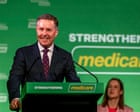
But here's the reality: your drug prices aren't going up. While Washington is busy slapping taxes on anything that crosses its border, the Australian government has drawn a line in the sand. Health Minister Mark Butler was incredibly blunt about it this week. Australia isn't caving to pressure from the Trump administration or the massive pharmaceutical companies that have been whispering in their ears.
The PBS is not for sale
For over 80 years, the PBS has been the backbone of the Australian health system. It's the reason you pay roughly $30 for a script that might cost an American $500. We get these prices because the government negotiates as a massive, single buyer. Big Pharma hates this. They've been trying to "unpick" the PBS for decades, arguing that Australia doesn't pay its "fair share" for research and development.
This 100% tariff is the latest tool the US is using to try and force our hand. By making it more expensive for companies to export to the US, they're hoping these companies will demand higher prices in markets like Australia to make up the difference.
"We are not negotiating about those fundamentals," Butler said. It's a rare moment of absolute political certainty. Even the Opposition Leader, Angus Taylor, is on the same page. The PBS is essentially a sacred cow in Australian politics. Touching it is a one-way ticket to losing an election, and every politician knows it.
Why CSL isn't panicking and you shouldn't either
You might be worried about our own drug manufacturers. Australia exports about $2 billion worth of pharmaceuticals to the US every year. The biggest player is CSL, the Melbourne-born giant that makes blood plasma products and vaccines.
If their exports got hit with a 100% tax, it would be a disaster for the Australian economy. But CSL has been playing the long game. They’ve already poured over $3 billion into US manufacturing facilities, including a massive site in Illinois.
The way these new US rules are written, companies that "onshore" their production—meaning they build factories and create jobs in America—can skip the heavy tariffs. Because CSL is already a major US employer, the government is confident they'll get a "carve-out." They aren't just an Aussie company anymore; they’re a global one with enough skin in the American game to stay protected.
The global ripple effect
It's not just Australia in the crosshairs. The US has set up a tiered system of pain:
- 100% tariff: For most countries and companies that refuse to move manufacturing to the US.
- 15% tariff: For "friends" like the EU, Japan, South Korea, and Switzerland.
- 0% tariff: For the UK, which managed to sign a special deal by promising to build more plants in the States.
Australia is currently sitting in a weird spot. We have a Free Trade Agreement with the US that's been in place for 20 years, which should mean zero tariffs. Trump’s move basically ignores that agreement. However, since most of what we send to the US is high-tech biotech or blood products that the US desperately needs, we have a lot of leverage. They can't just stop importing plasma without people dying in American hospitals.
What this means for your wallet
If you're an Australian consumer, the message is simple: Relax. The government sets the price you pay at the pharmacy. That price is indexed to inflation, not to whatever trade war is happening in the Northern Hemisphere. Even if a pharmaceutical company finds its profits squeezed because of US tariffs, they can't just hike the price of a PBS-listed drug on a whim. They have a contract with the Australian government.
If they tried to pull their drugs from our market in protest? The government has the power to allow "parallel imports" or fast-track generic versions. It's a game of chicken that the drug companies usually lose.
What to watch for next
While your medicine prices are safe, the broader economy is still in for a bumpy ride. Here’s how you can stay ahead of the curve:
- Don't stockpile: There is no shortage. Panic buying only creates artificial problems.
- Check your generic options: If you're worried about costs, always ask your pharmacist if there's a "brand price premium" on your medication. Choosing the generic version usually saves you money regardless of global trade.
- Watch the export sector: While CSL might be safe, smaller Australian biotech startups might struggle to break into the US market under these new rules. This could affect the "med-tech" shares in your superannuation fund.
The world is getting more protectionist, and the era of easy global trade is hitting a massive speed bump. But in Australia, the PBS is designed for exactly this kind of chaos. It's a shield that's held for eight decades, and it's not showing any cracks yet.