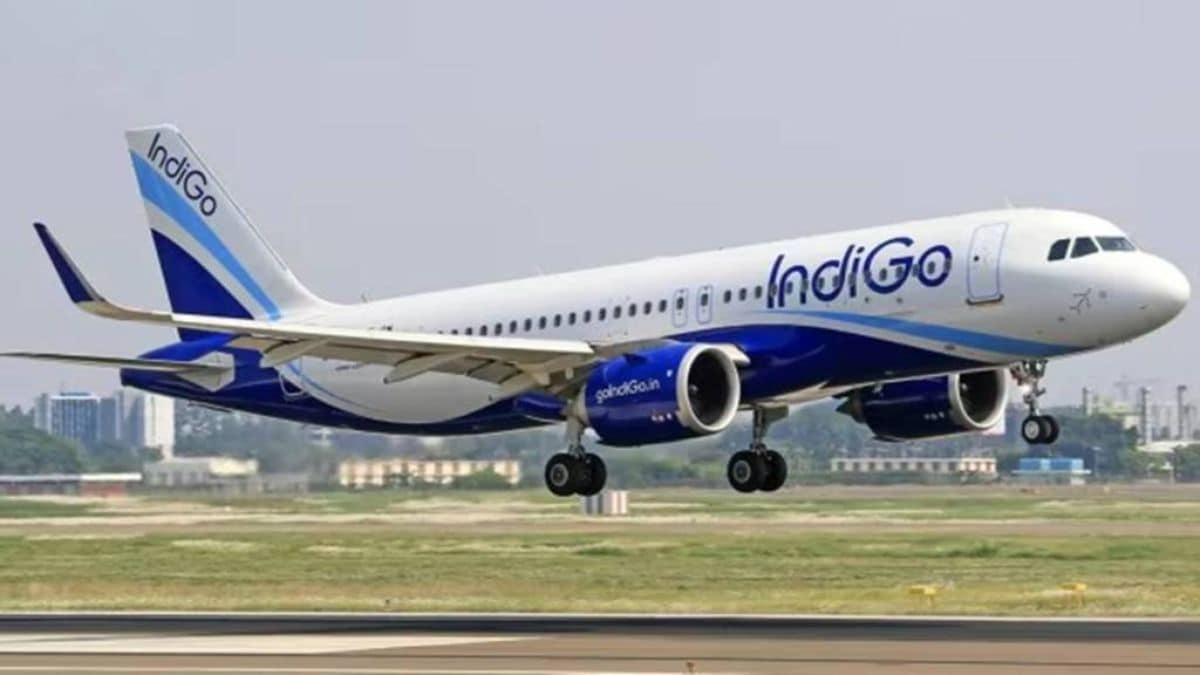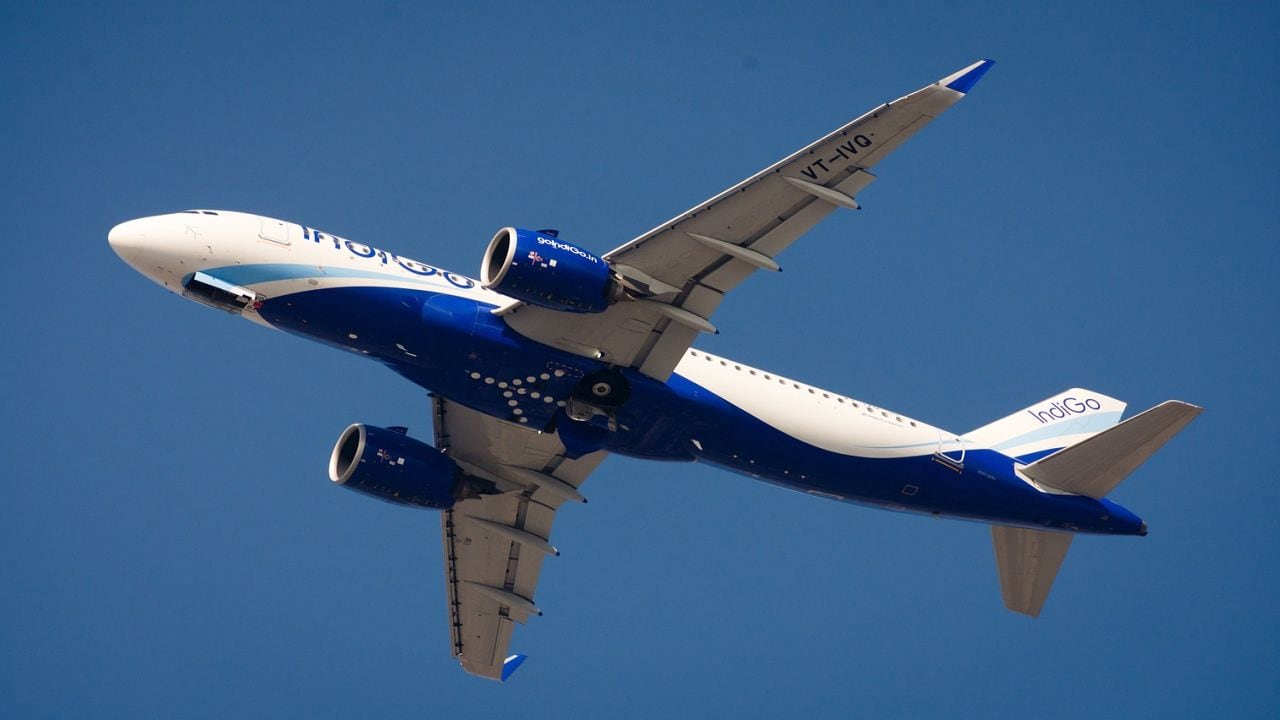
The closure of strategic air corridors in the Middle East functions as a global supply chain bottleneck, instantly reconfiguring the cost-benefit analysis of international aviation. When airspace over Iran, Iraq, or Israel is restricted, the aviation industry faces more than just delays; it encounters a fundamental shift in fuel-to-payload ratios and crew duty cycles. The current disruptions affecting flights on March 8 and 9 represent a systemic stress test for carriers operating between Europe, North America, and Southeast Asia. To understand the impact of these cancellations and delays, one must analyze the three structural pillars of flight feasibility: fuel exhaustion limits, crew legality, and the cascade effect of airframe positioning.
The Physics of Rerouting: The Fuel-Payload Constraint
Airspace disruptions force aircraft to fly longer, more circuitous routes. While this sounds like a simple matter of extra time, the physics of long-haul flight dictates a much harsher reality. Aircraft are designed with a Maximum Takeoff Weight (MTOW). Every kilogram of additional fuel required to bypass a conflict zone must be offset by removing a kilogram of revenue-generating payload—either passengers or cargo.
On ultra-long-haul routes, such as those from London to Singapore or New York to New Delhi, the margin for extra fuel is razor-thin. If a detour adds two hours to a flight, the aircraft may exceed its structural weight limits if it carries its full complement of passengers. This leads to "technical stops" in hubs like Dubai, Istanbul, or Doha. These stops are not merely inconvenient; they break the economic model of the flight by adding landing fees, ground handling costs, and additional engine wear-and-tear.
The cost function of a diverted flight is expressed as:
$$C_{total} = (F_r \times P_f) + (T_a \times C_h) + L_f + C_p$$
Where:
- $F_r$ is the additional fuel required for the detour.
- $P_f$ is the current price of Jet A-1 fuel.
- $T_a$ is the additional airtime impacting maintenance intervals.
- $C_h$ represents hourly crew costs and potential overtime.
- $L_f$ includes new landing fees at diversion airports.
- $C_p$ is the passenger compensation liability under regulations like EU261.
The Crew Legality Bottleneck
Aviation safety is governed by rigid Flight Duty Period (FDP) limits. These regulations are designed to prevent fatigue but become a primary cause of cancellations during airspace disruptions. If a flight is delayed on the tarmac due to a sudden airspace closure, or if the new route exceeds the maximum hours a pilot or cabin crew member can legally work, the "crew times out."
When a crew reaches their legal limit, the airline cannot simply ask them to work an extra hour. A fresh crew must be brought in. In a hub-and-spoke system, finding a replacement crew at an outstation is often impossible. This results in the "stranded airframe" scenario, where a perfectly functional aircraft sits idle at a gate because no legal crew is available to fly it. This explains why many flights scheduled for March 8 were cancelled proactively; airlines anticipated that rerouting would push crews past their legal limits, making the return leg of the journey impossible to staff.
The Cascade Effect of Airframe Positioning
The global aviation network relies on high utilization rates. An aircraft arriving from New York is often scheduled to depart for Mumbai within three hours. When a flight is delayed by four hours due to airspace congestion or rerouting, the subsequent flight is automatically compromised.
This creates a "rolling delay" that can take days to rectify. The impact of the March 8 disruptions will be felt through March 10 and 11 as airlines struggle to get their "metal" back to the correct hubs. For passengers, this means a flight may be cancelled even if their specific route does not cross the disrupted airspace, simply because the aircraft intended for their journey is stuck in a different part of the world.
Regional Specifics: The Indo-European Corridor
The current disruptions specifically target the "gateway" between East and West. Flights from India to Europe and the US East Coast are the most severely affected. Historically, these flights utilize the Ankara-Tehran-Kabul corridor. With segments of this path restricted, traffic is compressed into a narrow band over Saudi Arabia and Egypt.
This compression leads to:
- Air Traffic Control (ATC) Saturation: Overcrowded sectors lead to "flow control" delays, where aircraft are held on the ground to prevent mid-air congestion.
- Increased Buffer Requirements: Airlines must carry more "contingency fuel" to account for potential holding patterns at the end of a long detour.
- Communication Blackouts: Rapidly changing NOTAMs (Notices to Air Missions) require constant coordination between flight dispatchers and pilots, increasing the cognitive load on flight decks.
Strategic Decision-Making for the Affected Traveler
For those navigating the current list of running, delayed, and cancelled flights, the strategy should shift from monitoring "status" to monitoring "assets." A flight listed as "On Time" can be cancelled in a heartbeat if the inbound aircraft is diverted.
The most effective tactical moves include:
- Tracking the Inbound Tail Number: Use flight tracking software to see exactly where the physical aircraft assigned to your flight is currently located. If it hasn't taken off from its previous destination, your flight is at risk regardless of the official status.
- Prioritizing Hubs with High Recovery Capacity: If rebooking, choose routes through major airline hubs (e.g., London Heathrow, Frankfurt, or Dubai) where the carrier has a surplus of "standby" crews and spare aircraft.
- Analyzing Cargo vs. Passenger Priority: On certain routes, airlines may prioritize cargo-heavy flights because of the high yields currently found in global freight. If a flight has a low passenger load but high belly-cargo, it is less likely to be cancelled in favor of a full passenger flight with no cargo.
The immediate strategic play for any entity dependent on these routes is to move from a reactive posture to a proactive asset-management model. Expect the current "bottleneck" pricing—where ticket costs spike due to reduced seat capacity on rerouted flights—to persist until the geopolitical variables stabilize and the traditional high-altitude corridors reopen.
Would you like me to analyze the specific impact of these airspace closures on the air cargo market and freight pricing for the coming week?