A Hong Kong-based investment firm just threw a massive legal wrench into the global shipping industry. They've filed a heavy-hitting arbitration claim against Maersk, the Danish shipping giant. The core of the fight? A messy, high-stakes takeover of a strategic port in Panama that feels more like a corporate spy novel than a standard business deal.
The firm, Heperos Limited, isn't just complaining about a lost bid. They’re alleging a full-blown conspiracy. They claim Maersk schemed directly with the Panamanian government to squeeze them out of a lucrative container terminal project. If you're wondering why this matters to you, look at your desk. Half of what's on it probably came through a port like the one in question. When global giants play dirty with port infrastructure, it shifts the balance of trade power for decades.
How the Panama Port Scheme Actually Worked
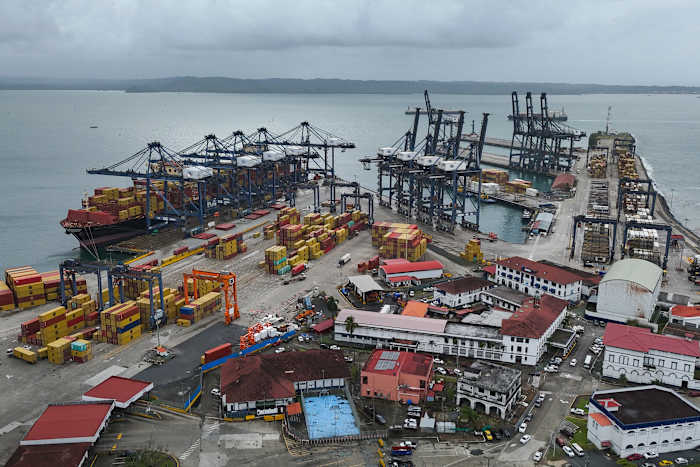
The drama centers on the Panama Canal Container Port (PCCP). This wasn't some minor dock. It was a massive development project located at the Atlantic entrance of the Panama Canal. Heperos had a significant stake and big plans. Then, things went south.
According to the arbitration filings, Maersk didn't just compete. They allegedly worked behind the scenes to ensure the Panamanian government would revoke the concessions held by the Hong Kong firm's interests. The goal was simple. Clear the deck so Maersk could take over the terminal operations through its subsidiary, APM Terminals.
This isn't just a "he said, she said" situation. Heperos is bringing this to the International Centre for Settlement of Investment Disputes (ICSID). They’re using a bilateral investment treaty between the Netherlands and Panama as their legal leverage. Why the Netherlands? Because the corporate structure of these entities often runs through Dutch holding companies to tap into these very protections. It’s a smart legal move that puts Panama’s sovereign reputation on the line alongside Maersk’s corporate ethics.
Why Maersk Wants Total Control
Maersk is moving away from being just a shipping line. They want to own the entire supply chain. This is a strategy called "vertical integration." If they own the ships, the trucks, and the ports, they control the price and the priority.
Panama is the ultimate prize in this game. It’s the throat of global trade. By securing a dominant position at the mouth of the canal, Maersk isn't just winning a contract. They’re building a moat. Heperos argues that this wasn't a fair market win. They claim the process was rigged through "clandestine agreements" and government favoritism.
Think about the scale here. We aren't talking about millions. We’re talking about billions in potential lost revenue and asset value. When a government cancels a concession to hand it to a larger player, it sends a chilling message to every other foreign investor in the region. Panama is essentially being accused of being a "company store" for the world's largest shipping entity.
The Role of Geopolitical Friction
You can't talk about a Hong Kong firm and a Western giant fighting over a canal port without mentioning the elephant in the room. This is also a proxy battle for influence. Panama has historically been under the thumb of U.S. influence, but Chinese-linked capital has poured into the region over the last decade.
Heperos represents that wave of capital. By pushing them out, the optics suggest a pivot back toward Western-aligned operators. Maersk, despite being Danish, is a bedrock of the Western logistics network.
However, the legal argument stays focused on the money. Heperos claims Panama violated the "Fair and Equitable Treatment" standard. This is a big deal in international law. It basically means a government can't just change the rules of the game halfway through because they found a more "attractive" partner. If the arbitration panel agrees, Panama could be on the hook for a massive payout, and Maersk’s reputation as a fair competitor will take a permanent hit.
What This Means for Global Port Stability
This case exposes a massive flaw in how global trade hubs are managed. If a contract with a sovereign nation can be dissolved through backroom deals, then no investment is safe.
- Contractual Risk: Investors will now look at Panama with a lot more skepticism.
- Monopoly Power: If Maersk successfully eats its competitors by leveraging government relationships, shipping rates will likely stay high.
- Legal Precedent: This case will define how "interference" is proven in high-level port takeovers.
I've seen these types of disputes before, and they usually drag on for years. They're incredibly expensive and involve thousands of pages of redacted emails. But the fact that Heperos went public with the "scheme" narrative tells me they have some receipts. You don't accuse a company like Maersk of colluding with a national government unless you have a paper trail that points to something fishy.
The Strategy Behind the Arbitration
Heperos isn't just looking for an apology. They want their money back, plus interest, plus the projected profits they lost. This is about "damages."
By filing under the ICSID, they’re bypassing Panama’s local courts. Honestly, that's the only way to get a fair shake in a case like this. Local courts are often too tied to the administration that made the deal in the first place. The ICSID provides an international stage where the "scheme" can be picked apart by independent arbitrators who don't care about Panamanian politics.
Maersk, for its part, usually keeps its mouth shut during active litigation. Their standard play is to claim they followed all local laws and that the government’s decision to award them the port was based on merit and "operational excellence." It’s a boring defense, but it often works if the plaintiff can't prove a "quid pro quo."
Impact on the Panama Canal’s Future
The Canal is currently facing enough problems with droughts and water levels. Adding a massive legal scandal regarding its port infrastructure is the last thing the region needs.
If the arbitration reveals genuine corruption, it could trigger a series of events that might see the port concessions frozen or re-tendered. That would be a disaster for Maersk’s long-term strategy in the Americas. They’ve bet big on being the dominant force in Latin American logistics. A loss here would be a giant step backward.
Watch the "Notice of Dispute" filings closely. The next few months will reveal whether other jilted investors join the fray. Often, when one firm pulls back the curtain, others find the courage to speak up about similar experiences.
Real World Consequences for Shipping
When ports are tied up in legal battles, efficiency drops. Uncertainty leads to lack of investment in new cranes, better software, and faster processing. While the lawyers argue over who "schemed" with whom, the actual flow of goods can suffer.
- Shipping delays become more frequent as port management is distracted by litigation.
- Higher insurance premiums for firms operating in "litigation-heavy" jurisdictions like Panama.
- Increased costs passed down to the consumer because of the massive legal fees involved in these multi-billion dollar scraps.
If you’re a business owner relying on the Panama Canal, you need to diversify your routes. Don't put all your eggs in the Panama basket. The legal instability here is a massive red flag. Look into Suez options or even West Coast rail alternatives if the conflict escalates.
The arbitration process is slow, but its effects are immediate. Panama's "Investment Grade" status relies on the perception that it respects the rule of law. If this case proves that the government is willing to "scheme" with one company to destroy another, that status is in jeopardy.
Keep an eye on the filings. The truth usually hides in the footnotes of the discovery phase. If Heperos can prove even a fraction of their claims, the shipping world is in for a massive shakeup.