The smell of sawdust usually means progress. For Elena, a second-generation furniture maker in High Point, North Carolina, it has always been the scent of a mortgage paid and a community sustained. But lately, the fine oak dust settling on her workshop floor feels more like ash.
She is staring at a spreadsheet that refuses to blink.
The math is brutal. A new round of 60% tariffs on imported components—the specialized steel hinges she can’t source domestically and the sustainable hardwoods that only grow in specific climates—has landed on her desk like a physical blow. To keep the lights on, she needs $150,000 in immediate liquidity. She doesn't have it. Her cash flow, once a steady stream, has been choked by the sudden requirement to pay these taxes upfront at the port, long before a single chair is sold.
Elena walks into her local bank, the same one that gave her father his first loan in 1984. The air conditioning is cold, but her palms are sweating. She asks for a line of credit. The loan officer, a man she’s known for a decade, looks at her with genuine pity.
"The Prime Rate is at its highest point in twenty years, Elena," he says. "With your debt-to-income ratio shifting because of these new costs, I can't give you the old rate. We’re looking at 11%."
Eleven percent.
That number is a ghost that haunts the machinery. It means that to borrow the money required to pay a tax she didn't ask for, she will be paying a secondary tax to the bank. It is a double-bind that is currently tightening around the throats of thousands of small business owners across the country.
The Invisible Tax on Growth
When we talk about trade wars and protectionist math, the conversation usually stays at thirty thousand feet. We discuss "macroeconomic shifts" and "reshoring." We treat these policies like giant chess pieces moved across a map.
But on the ground, the board is made of flesh and blood.
Small businesses are the shock absorbers of the American economy. When a massive policy shift occurs, they are the first to feel the impact and the last to receive a bailout. Unlike multinational corporations, Elena cannot move her manufacturing plant to Vietnam or Mexico over a long weekend. She cannot negotiate a sweetheart deal with a primary lender or issue corporate bonds to raise cheap capital.
She is stuck.
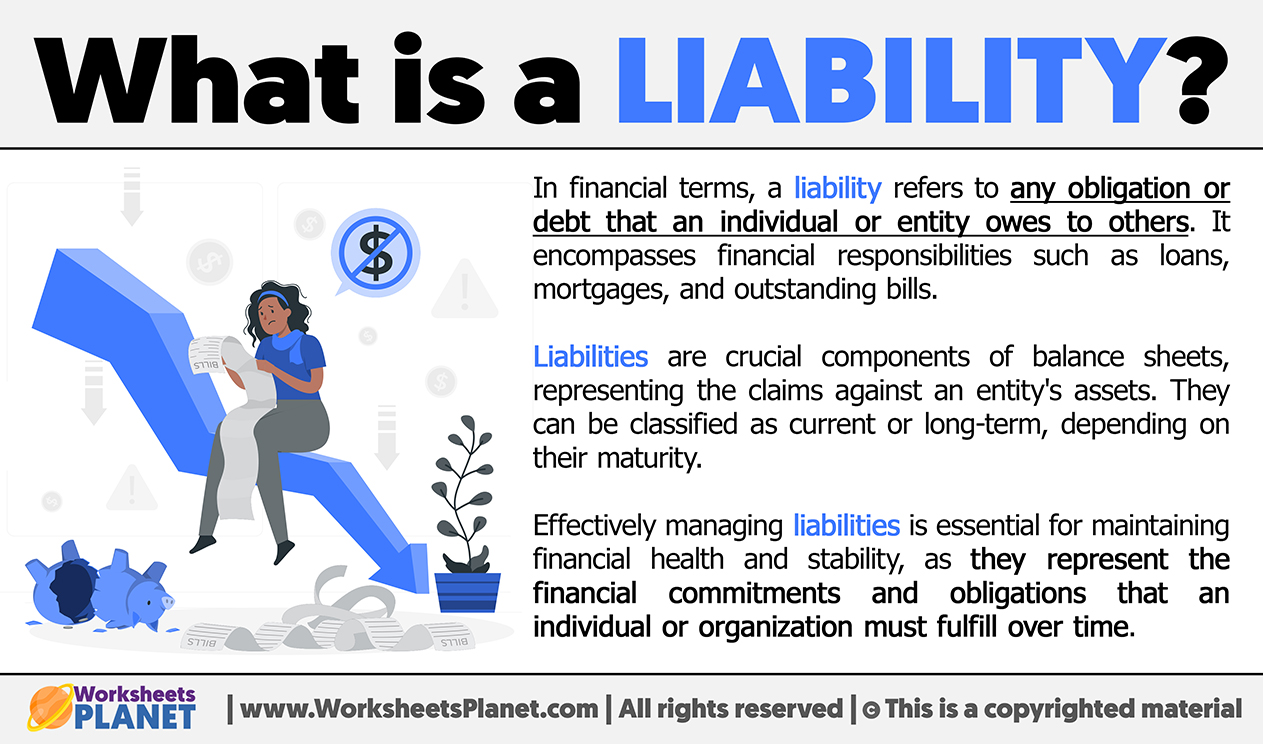
The reality of a tariff is that it is not paid by the exporting country. It is a check written by the American importer to the American government. For a small business, that check is often larger than their entire annual profit margin. To cover it, they turn to the only tool available: debt.
The High Price of Borrowing Time
Consider the timing of this squeeze. For years, money was almost free. Interest rates hovered near zero, allowing businesses to expand, hire, and take risks. But as the Federal Reserve battled inflation, those days evaporated. Now, small business owners are walking into a perfect storm.
They are facing higher costs for goods due to tariffs, and higher costs for the money needed to buy those goods due to interest rates.
It is a feedback loop of exhaustion.
When Elena takes that 11% loan, she isn't just borrowing money; she is borrowing against her future. That $150,000 isn't going toward a new CNC machine that could make her shop more efficient. It isn't going toward a raise for her lead carpenter, who has been with her for fifteen years. It is simply "dead money." It is capital used to maintain the status quo, to keep the doors from locking.
This is how a local economy begins to hollow out. It’s not a sudden explosion. It’s a slow, quiet leak.
First, the holiday bonus disappears. Then, the open position for an apprentice is left unfilled. Finally, the quality of the materials starts to dip as the owner searches for any way to offset the interest payments. The customer notices a price hike, then a delay in shipping, and suddenly, a business that survived the Great Recession and a global pandemic finds itself underwater in a time of "economic strength."
The Myth of the Level Playing Field
There is a persistent narrative that these hardships are merely "growing pains" on the road to a more robust domestic manufacturing sector. The idea is that if we make it expensive enough to buy from abroad, someone will eventually build it here.
But factories do not sprout from the ground like wildflowers.
Building a domestic supply chain for specialized components requires billions of dollars in investment and decades of specialized labor training. For the small business owner in the middle of a trade skirmish, "decades" might as well be "centuries." They live in the world of thirty-day invoices and quarterly tax filings.
The irony is thick. The very policies intended to protect American industry are, in the short term, decapitalizing the most vulnerable players within it.
The data tells a chilling story. Small business loan defaults are beginning to tick upward in sectors most exposed to trade volatility. When a small business fails, it doesn't just disappear from a spreadsheet. It leaves a hole in a main street. It ends a lineage of craftsmanship. It breaks the "informal credit" that exists in small towns—the way the local hardware store lets a trusted builder pay at the end of the month.
The Ledger of Human Cost
Late at night, Elena sits at her kitchen table. The house is quiet, but her mind is loud. She does the math again.
If she raises her prices by 20%, she might lose her contract with the regional hotel chain. If she doesn't raise them, she can't pay back the bank. If she cuts her staff, she loses the hands that make the furniture worth buying in the first place.
She is a master of her craft, yet she spends 80% of her time acting as a distressed debt manager.
This is the hidden psychological toll of the current economic climate. It turns creators into accountants. It replaces the joy of building something with the dread of servicing a balance. The "spirit of enterprise" is hard to maintain when you feel like you are running a race in waist-deep water.
We often measure the health of our economy by the stock market or the GDP. But those are lagging indicators. They don't capture the moment a business owner decides it’s no longer worth the fight. They don't record the conversation where a mother tells her daughter that the family business might not be there for her to inherit.
The real cost of these tariffs isn't found in the billions of dollars collected at the border.
It is found in the quiet desperation of the bank lobby. It is found in the calculated risk that didn't get taken because the interest rate was too high. It is found in the "Closed" sign that goes up on a Tuesday afternoon because the math finally broke.
The sawdust continues to fall in Elena’s shop, but for the first time in her life, she isn't looking at the wood. She’s looking at the clock.
The bank’s interest keeps ticking, whether the saws are running or not.