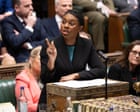
You don't usually see a political leader smile while describing the potential for regional meltdown, but Kemi Badenoch isn't your usual politician. At Wednesday's Prime Minister’s Questions, the Tory leader turned a somber debate about Iranian missile strikes and the safety of 200,000 British citizens into a bizarre audition for a role in a Michael Bay film. While Keir Starmer attempted to play the part of the sober, "public service broadcast" statesman, Badenoch went full "bombety bomb," effectively arguing that if the United States starts a war, the UK’s only job is to ask how high to jump.
It wasn't just a bad day at the office. It was a performance that felt disconnected from the reality of 2026, where the "Special Relationship" has become a tightrope walk over a furnace.
The archer and the arrows
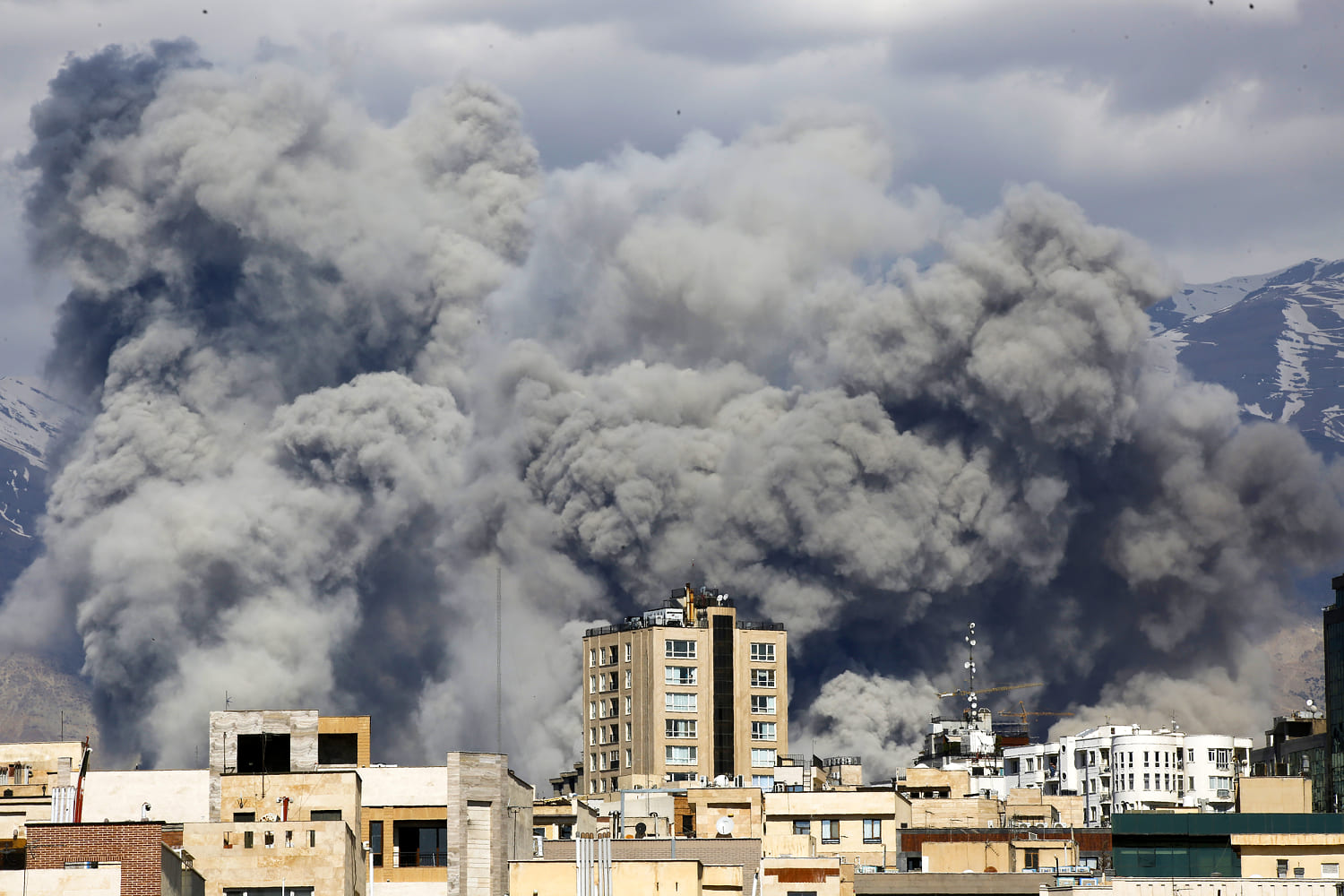
The core of the clash centered on Donald Trump’s recent military adventures in Iran. With US and Israeli strikes hitting Iranian targets and Tehran retaliating across the Gulf, Starmer has found himself in a familiar, uncomfortable spot. He’s refusing to join offensive strikes without a "lawful basis" or a "thought-through plan," a stance that has earned him the "not Winston Churchill" jibe from the White House.
Badenoch smelled blood, but she ended up covered in it herself. She accused Starmer of "catching arrows rather than stopping the archer," demanding to know why the RAF wasn't already flattening Iranian missile sites that had targeted British bases in Cyprus and Bahrain.
It's a punchy metaphor, but it ignores a massive, radioactive elephant in the room. In 2026, "stopping the archer" in Iran isn't a weekend job. It’s an invitation to a global energy crisis and a conflict with no clear exit strategy. Starmer’s response was blunt. He pointed out that while UK jets are in the sky intercepting drones and protecting US personnel, he isn't about to repeat the "mistakes of Iraq" by diving into a war of choice just because the current US President is feeling "capricious."
The F-35 fumble and the Airfix army
Things got progressively more awkward when the debate shifted to military hardware. Badenoch launched into a tirade about the "pathetic" state of the British armed forces, blaming Labour for a lack of readiness. It’s a bold strategy when your party spent 14 years in government overseeing the very cuts you're now shouting about.
She seemed genuinely convinced that aircraft carriers and destroyers can be manifested out of thin air, like they were Airfix kits you just glue together on a rainy Sunday. Starmer, who is rarely accused of being "forensic" these days, actually found his footing here. He reminded the House that the current "tonal deficit" in our defense capability didn't happen in the last few months.
More embarrassing was Badenoch's apparent confusion over the specific capabilities of the F-35. When you’re calling for all-out offensive action, knowing what your planes can actually do isn't a "nerdy detail"—it’s the whole point. Watching her get corrected on technical specs while she grinned was like watching a teenager argue with a physics teacher about the speed of light.
A lack of interest in the human cost
Perhaps the most jarring part of the session was the disregard for the 200,000-plus British nationals currently trapped in the region. Starmer tried to use the session to update the House on evacuation plans and the status of rapid-response teams in Oman and the UAE.
Badenoch wasn't having it. She brushed aside the safety of families on holiday or workers in Dubai as if they were an inconvenient distraction from the real business of dropping bombs. Her logic seemed to be that if you're abroad during a crisis, you're on your own. It's a "tough love" approach that usually doesn't sit well with voters who have relatives "worried sick" about the next incoming missile.
The political irrelevance of being "exciting"
The "Keminaissance" that Tory HQ keeps trying to make happen is hitting a wall of reality. In her head, Badenoch is the heroine of an epic struggle against a "weak" government. In reality, she’s shouting into a vacuum. Even her own backbenchers looked agitated, with James Cartlidge practically clutching his Ukraine lapel pin for dear life as the rhetoric spiraled.
She seems to believe that escalation is "exciting" and that anything less than total alignment with Trump's latest social media post is a betrayal. But the public isn't looking for "exciting" when petrol prices are spiking and the Middle East is on fire. They’re looking for someone who doesn't treat a potential World War III like a debate club exercise.
- Follow the FCDO: If you have family in the Gulf, ensure they are registered with the Foreign, Commonwealth & Development Office (FCDO) immediately.
- Watch the energy markets: The "bombety bomb" rhetoric has a direct line to your heating bill; keep an eye on Brent Crude prices as the conflict evolves.
- Check the legal summaries: The government has published a summary of its legal position on the use of UK bases—it’s worth a read if you want to see exactly where the line between "defensive" and "offensive" action is being drawn.
The next few days will determine if Starmer can maintain this "cool head" or if the pressure from Washington—and the noise from the opposition benches—forces a shift in policy. Don't expect the grins from the Tory front bench to stop, but don't expect them to win many votes either.