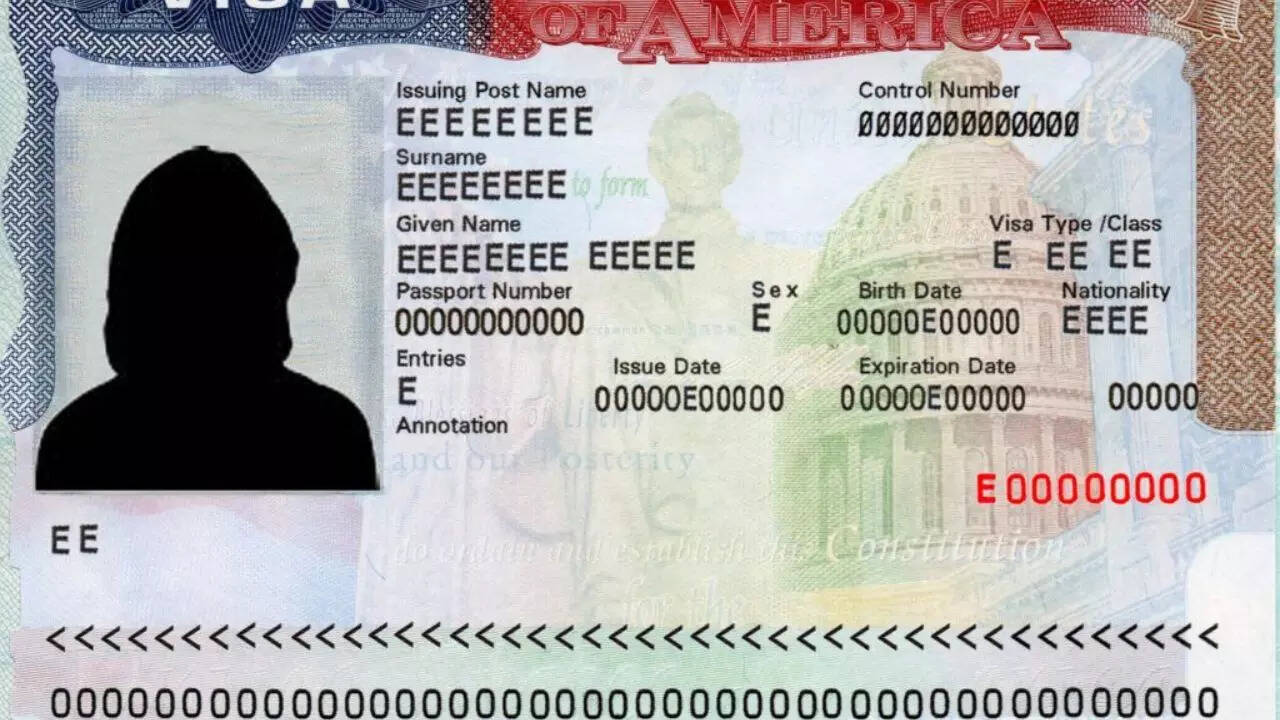
A federal grand jury in Boston just pulled the curtain back on a criminal enterprise that treated American law enforcement like a backdrop for a movie set. Ten Indian nationals, predominantly from the Patel family, now face federal conspiracy charges for orchestrating a series of "theatrical" armed robberies across Massachusetts and several other states. Their goal was never the cash in the register. Instead, they were hunting for the U Nonimmigrant Status, a specialized visa designed to protect genuine victims of violent crime.
The indictment, handed down in April 2026, marks the climax of a multi-year investigation into a syndicate that fundamentally weaponized a humanitarian loophole. By staging terrifying—though fake—attacks on convenience stores and fast-food joints, the group created "paper victims" eligible for legal residency. This wasn't just a local scam. It was a sophisticated operation spanning from the suburbs of Boston to the rural corners of Kentucky and Ohio, proving that the desperation for American residency has created a lucrative black market for manufactured trauma.
The Choreography of a Fake Crime
The mechanics of the fraud were as precise as a stage play. According to federal prosecutors, the scheme was spearheaded by Rambhai Patel, an organizer who had already been convicted for his role in the operation a year prior. The 10 newly indicted defendants are alleged to have been the "customers" or facilitators of this service.
To the unsuspecting eye, the surveillance footage looked like a standard, harrowing robbery. A masked man would enter a liquor store or a small eatery, brandish what appeared to be a firearm, and demand cash. The clerks—who were in on the deal—would cower, hand over the money, and wait for the "robber" to vanish into the night.
But the real work happened after the getaway car left the scene.
The "victims" would wait exactly five minutes before calling 911. This delay ensured the perpetrator was long gone while maintaining the illusion of a shell-shocked witness. Once the police arrived, the clerks provided detailed, harrowing accounts of the incident. These police reports are the "gold" of the immigration underworld. Under the U Visa program, an undocumented person who is the victim of a qualifying crime and assists law enforcement can apply for a path to legal status. By providing a statement and appearing "helpful" to the police, the defendants were effectively buying their way into the green card queue.
Paying for the Privilege of Being Robbed
Entry into this scheme was not cheap. Investigators found that participants paid thousands of dollars to the organizers to have a robbery "arranged" at their place of employment. In many instances, the store owners themselves were compensated for letting their businesses be used as the stage.
The financial trail reveals a dark economy where the price of a fake robbery was seen as a necessary business expense for those facing deportation or stuck in immigration limbo. The indictment lists defendants residing in disparate locations—Perrysburg, Ohio; Eubank, Kentucky; and Maryland Heights, Mississippi. This geographic spread suggests a highly organized word-of-mouth network that funneled Indian nationals from across the country into the Boston area specifically to participate in these staged events.
Why the U Visa Became the Target
The U Visa is one of the most powerful tools in the immigration system, and consequently, one of the most abused. Unlike the H-1B or L-1 visas, which require high-level corporate sponsorship and advanced degrees, the U Visa only requires a police report and a certification of helpfulness.
The Loophole Problems
- The Backlog: There is a statutory cap of 10,000 U Visas per year, but the waitlist has ballooned to over 200,000.
- Work Authorization: Once an application is deemed "bona fide," the applicant can receive a work permit while waiting for the final visa. This provides years of legal working status even if the visa is never ultimately granted.
- Low Bar of Proof: Local police departments are often eager to sign certifications to encourage community cooperation, often without the resources to verify if a crime was staged.
This case exposes a systemic vulnerability. When the government created a pathway for victims, they inadvertently created an incentive for people to become victims. For the 10 Patels indicted this month, the risk of a federal conspiracy charge was apparently weighed against the reward of a permanent life in the United States.
The Inevitable Aftermath
The U.S. Attorney’s Office has made it clear: the leniency typically afforded to crime victims will not apply here. The defendants—including Jitendrakumar, Maheshkumar, and Sangitaben Patel—are charged with conspiracy to commit visa fraud. This carries a penalty of up to five years in prison, but the more significant "sentence" is what follows.
All 10 defendants are subject to mandatory deportation upon the completion of any prison term. For many, this is the ultimate failure of their gamble. They paid thousands to avoid leaving the country, only to guarantee their expulsion through the very mechanism they tried to subvert.
Rameshbhai Patel and Ronakkumar Patel have already been moved into immigration custody, a signal that the government is moving aggressively to clear these cases from the docket. This crackdown isn't just about 10 individuals in Boston; it’s a shot across the bow for similar syndicates operating in New York and California. Federal agencies, including USCIS and the FBI, are increasingly using data analytics to flag "clusters" of U Visa applications originating from the same businesses or involving the same "victims."
The integrity of the American immigration system relies on a basic assumption of honesty. When that is replaced by a pay-to-play model of manufactured violence, the real victims—those actually fleeing domestic abuse or violent assault—are the ones who pay the highest price, buried under a mountain of fraudulent paperwork.
The era of the staged robbery as a "cheat code" for residency is coming to a violent, legal end.