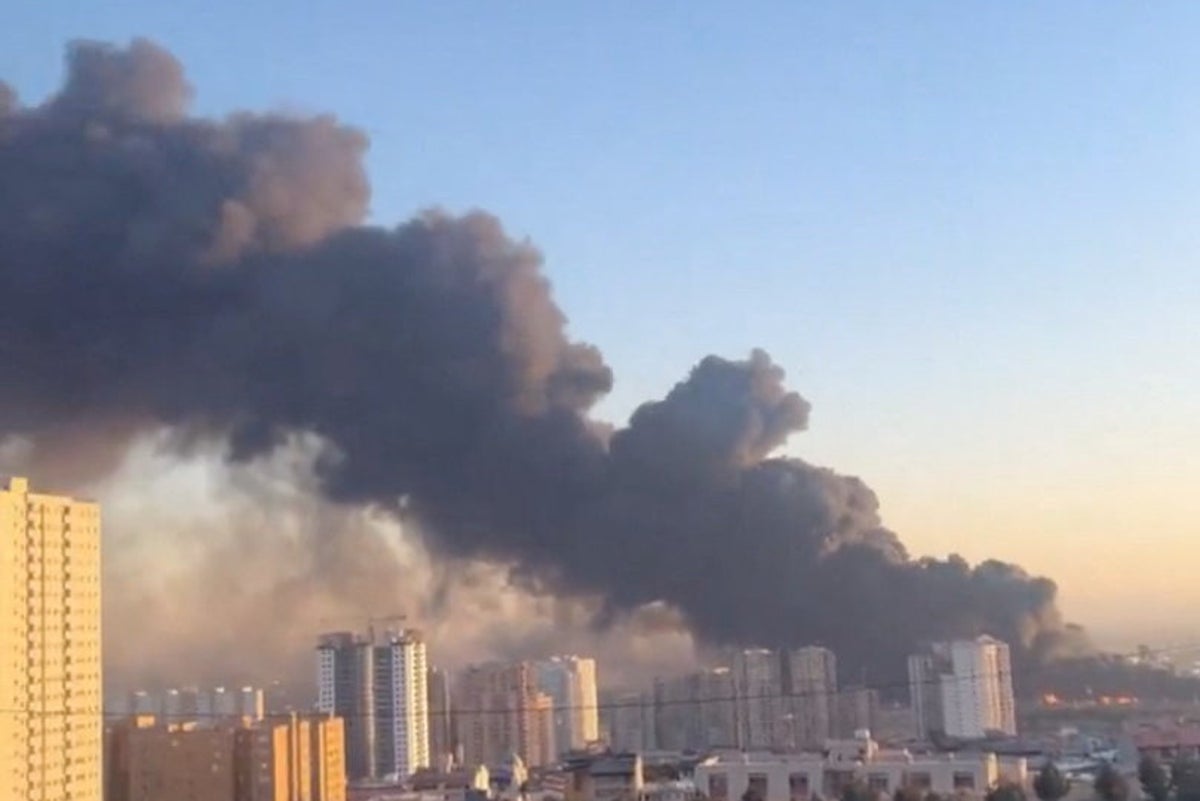
Foreign policy experts in Delhi love the term "strategic autonomy." It sounds dignified. It suggests a nation that doesn't take orders, one that navigates the choppy waters of global geopolitics with its own compass. But look at India’s recent posture toward Iran during the current 2026 crisis, and that polished phrasing starts to crack. When the US and Israel launched strikes on Iranian soil earlier this year—reportedly killing high-ranking officials and hundreds of civilians—India's response was a masterclass in saying nothing of substance.
We saw a call for "dialogue and restraint" from the Ministry of External Affairs. We saw a generic plea to respect sovereignty. Yet, almost simultaneously, Prime Minister Modi was on the phone with the UAE, "strongly condemning" attacks on their soil and offering full solidarity. The contrast is jarring. If you only condemn the violence that affects your trade partners while staying mute when a "civilizational friend" is hit, you aren't being autonomous. You're being careful. Specifically, you're being careful not to upset Washington.
The Washington Shadow over Tehran
The reality is that India’s Iran policy hasn't been independent for a long time. It’s been a hostage to the Indo-US partnership. This isn't just about the current administration; it’s a pattern that goes back decades. Think back to 2005. India shocked the world—and deeply hurt Tehran—by voting against Iran at the International Atomic Energy Agency (IAEA). Why? Because the US Congress made it clear that the landmark civil nuclear deal with India was on the line.
Fast forward to today, and the stakes haven't changed much. Donald Trump’s return to the White House has brought back "maximum pressure" with a vengeance. India has already slashed its Iranian oil imports to basically zero to avoid secondary sanctions. We used to be Iran’s second-largest oil buyer. Now, we've replaced that cheap, nearby crude with expensive shipments from elsewhere, all to keep the US Treasury happy. When you let another country dictate who you can buy your energy from, "autonomy" is the wrong word for it.
The Chabahar Litmus Test
If you want to see where India’s ambitions hit a wall, look at the Chabahar Port. This was supposed to be our "Golden Gate" to Central Asia, a way to bypass Pakistan and connect with the International North-South Transport Corridor (INSTC). We signed a 10-year contract in 2024, yet the project is perpetually stuck in the slow lane.
Every time the US tightens the screws, work at Chabahar stalls. Indian banks are terrified of the "sanctions ghost." Even with a conditional waiver valid until April 26, 2026, the progress is pathetic. The 2026 budget notably lacked significant allocations for the project, leading Iranian officials to express their "disappointment." While China aggressively builds out Gwadar in Pakistan, India is timidly waiting for a green light from Washington before it picks up a shovel in Iran.
Why the Silence Hurts
- Diaspora Risk: There are roughly 10 million Indians living and working in the Gulf. If the conflict escalates because nobody—including "balanced" powers like India—calls out the aggression, these people are in the line of fire.
- Energy Costs: Brent crude is already spiking toward $90. Silence doesn't lower the price at the pump in Delhi.
- Credibility: You can't claim to be the leader of the Global South if you're too scared to defend a fellow developing nation’s sovereignty when it’s inconvenient.
The Israel Factor
There’s no denying the shift in India’s heartbeat. The relationship with Israel has moved from a quiet defense partnership to a full-blown ideological embrace. Modi's visit to Israel just days before the recent bombing of Iran wasn't just bad timing; it was a signal. When the Prime Minister says India stands with Israel "firmly and with full conviction," he’s choosing a side.
The new trade architecture, like the India-Middle East-Europe Economic Corridor (IMEC), links India to Europe through the UAE, Saudi Arabia, and the Israeli port of Haifa. This project effectively renders Iran’s transit routes irrelevant to India’s long-term plans. We aren't just staying silent; we're actively building a future that doesn't need Iran. That’s a legitimate strategic choice, but we should stop pretending it’s about "non-alignment."
Realpolitik or Moral Cowardice
Criticizing India’s silence isn't just about being "pro-Iran." It’s about recognizing that a great power shouldn't have its tongue tied by foreign sanctions. Recently, India voted against a UN Human Rights Council resolution on Iran. Tehran thanked us for "principled support." But was it a principle, or was it a transaction? We support Iran at the UN on human rights to keep them quiet about Kashmir, then we abandon them on the economic front to please the US.
This zig-zagging isn't a strategy. It's a reaction. True strategic autonomy would mean finishing Chabahar regardless of the mood in the Oval Office. It would mean resuming oil trade through a rupee-rial mechanism that actually works. Right now, India looks less like a rising pole in a multipolar world and more like a junior partner in a Western-led regional order.
If you want to understand where this is heading, watch the April 2026 deadline for the Chabahar waiver. If India lets that project wither because it's afraid of a few Trump tweets, the "autonomy" myth is officially dead. We need to decide if we're a nation that leads or a nation that waits for permission. Stop checking the news from Washington before deciding how to feel about a fire in your own neighborhood.