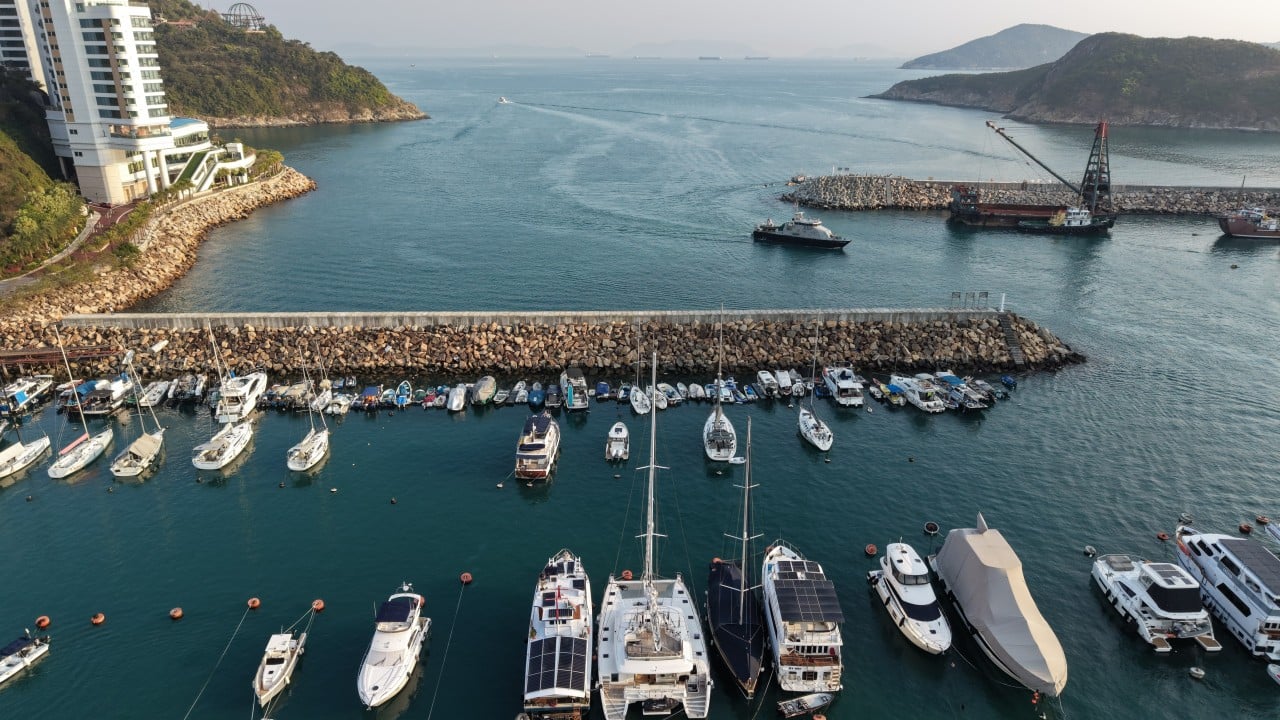
Hong Kong is finally moving to reclaim its status as a premier maritime hub, but the price of entry is rising. The government’s recently unveiled plan to transform the Aberdeen South Typhoon Shelter into a modern 200-berth marina is more than a simple infrastructure project. It is a calculated attempt to fix a decades-old shortage of premium yacht mooring space while simultaneously rebranding a gritty, industrial corner of the city into a high-end tourism destination.
The plan involves more than just floating docks. It includes a sprawling brand-new clubhouse, revamped landing facilities, and a complete overhaul of the pier area to accommodate international travelers and local elites. For years, the city’s yachting community has complained about the "waitlist from hell," where securing a permanent berth at a reputable club could take over a decade. By opening up this specific site for private development, the administration is betting that private capital can solve a public space crisis.
The End of the Working Waterfront
For generations, Aberdeen has been the heartbeat of Hong Kong’s maritime tradition. It is a place where rust meets salt. Fishing trawlers, sampans, and aging shipyards define the aesthetic. However, the new proposal marks a definitive shift toward "leisure-first" coastal management.
When you introduce 200 berths for luxury vessels, the surrounding ecosystem changes. The smaller, traditional operators—the ones who repair the wooden hulls and provide the fuel for the dwindling fishing fleet—find themselves priced out. Land values in the Southern District are already climbing in anticipation. This isn't just about adding boats; it is about replacing the industrial grit of the South Shore with the polished fiberglass of the global jet set.
Why the 200 Berth Target Matters
The math behind the number is specific. Industry analysts have long noted that Hong Kong loses hundreds of millions in potential revenue every year because superyachts simply cannot find a place to park. When a 50-meter vessel bypasses Hong Kong for Singapore or Phuket, the city loses out on maintenance fees, provisioning, and the massive discretionary spending of the crew and owners.
The Clubhouse as a Revenue Engine
The proposed clubhouse isn't just a locker room. In the world of modern maritime development, the clubhouse is the anchor for the entire business model. To make a 200-berth marina financially viable in a city with Hong Kong’s astronomical land costs, the developer needs high-margin revenue streams.
- Exclusive Memberships: Expect initiation fees to rival the city's most prestigious golf clubs.
- High-End Dining: The plan calls for multiple food and beverage outlets that will serve both members and the visiting public, attempting to create a "destination" feel.
- Events Space: Luxury brands are desperate for waterfront venues for launches and private galas.
Navigating the Regulatory Minefield
The project faces a gantlet of environmental and social hurdles. The Aberdeen South Typhoon Shelter is, first and foremost, a place of refuge. During the height of the summer storm season, every square inch of protected water is a lifeline for local vessels.
The government must prove that installing fixed pontoons and luxury berths won't compromise the safety of the working fleet during a T10 signal. Critics argue that the privatization of the water surface reduces the flexibility of the shelter. If the new marina is restricted to "leisure only," where do the remaining fishing boats go when the wind picks up?
The Environmental Cost of Luxury
Dredging and construction in a confined typhoon shelter carry inherent risks to water quality. The seabed in Aberdeen is a graveyard of industrial history, likely containing heavy metals and pollutants from a century of ship-breaking and repair work. Stirring up this silt requires surgical precision. The Environmental Impact Assessment (EIA) for this project will be under intense scrutiny from local conservation groups who have seen other "waterfront revitalizations" turn into concrete dead zones.
The Competition for the South Side
This revamp does not exist in a vacuum. It is the centerpiece of the "Invigorating Island South" initiative. With the MTR South Island Line already making the area accessible, the government is looking to create a "Golden Triangle" between the new marina, the Fullerton Ocean Park Hotel, and the repurposed industrial lofts of Wong Chuk Hang.
However, there is a tension between the "invigoration" and the existing community. Residents of the aging housing estates in Aberdeen are wary of the "Monte Carlo-fication" of their neighborhood. They see the fancy renderings and see a future where their local piers are cordoned off for people with gold-plated memberships. The success of this project hinges on whether the developers can integrate the public into the plan without making them feel like intruders in their own backyard.
The Private Sector Risk
The government is looking for a single operator to take the lead on this. This is a massive capital expenditure. Building a marina in a typhoon-prone area requires specialized engineering—heavy-duty anchoring systems and wave attenuation technology that can withstand the surge of the South China Sea.
Investors are looking at the ROI. With the current high-interest-rate environment and the cooling of the local property market, the 200-berth marina must be more than a vanity project; it must be a machine. If the lease terms are too restrictive, or if the government demands too much public-access infrastructure, the top-tier developers might stay away, leaving the project in the hands of smaller players who lack the expertise to execute a world-class facility.
A Legacy at the Crossroads
The Aberdeen revamp is the ultimate test of Hong Kong’s ability to modernize its traditional assets. For too long, the city’s relationship with the sea has been purely functional—containers and cargo. This move toward leisure is an admission that the city needs to offer a different kind of value to remain relevant in the region.
If the government gets this right, Aberdeen becomes a vibrant, tiered maritime district where a billionaire’s yacht sits within sight of a working trawler, supported by a modern clubhouse that actually serves the community. If they get it wrong, it becomes another sterile enclave of wealth that serves few and alienates the many.
The tenders are being prepared. The blueprints are being sharpened. The water is waiting.
The real challenge begins when the first pile is driven into the seabed.