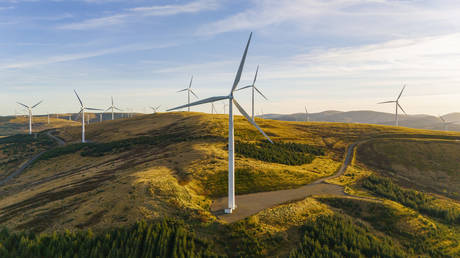
Wind power isn't the magic bullet for the planet that people were promised. For years, we’ve been told that those giant spinning white turbines are the ultimate symbol of clean, "green" progress. But if you look past the slick PR photos of rolling hills and blue skies, the reality is a lot messier. Wind energy has a massive footprint. It leaves behind a trail of dead wildlife, unrecyclable waste, and industrial scars that are anything but "harmless."
Don't get me wrong. We need energy. But pretending that wind power is a free lunch for the environment is just intellectually dishonest. It’s an industrial process. Like any industrial process, it comes with a high price tag—and I’m not just talking about the money.
The bird and bat problem is worse than the data suggests
The most visible casualty of the wind boom is local wildlife. It’s easy to dismiss this as a few unlucky birds, but the scale is staggering. Studies from organizations like the American Bird Conservancy have highlighted that hundreds of thousands of birds die every year from collisions with turbine blades. We aren’t just talking about pigeons. Large raptors, including bald eagles and golden eagles, are particularly vulnerable because they use the same thermal drafts that wind companies seek out for their farms.
It’s even worse for bats. Unlike birds, which hit the blades, bats often die from "barotrauma." The rapidly spinning blades create a drop in air pressure so sudden that it causes the bats' lungs to literally explode. This isn't just a sad anecdote. Bats are crucial for pest control and pollination. When you wipe them out, you screw up the entire local ecosystem. Farmers end up using more pesticides to compensate for the lost bats, which creates a whole new cycle of chemical runoff.
Most wind facilities are located in remote areas. This means monitoring is spotty at best. The official death tolls are likely massive undercounts because scavengers like coyotes or foxes often clear away the evidence before a researcher can even do a count.
The turbine blade graveyard in our backyards
Here’s a question for the enthusiasts. What happens when a wind turbine dies?
The average lifespan of a turbine is about 20 to 25 years. While the steel tower and the copper internals can be recycled, the blades are a different story. These massive structures, often over 150 feet long, are made of a composite of fiberglass, resin, and carbon fiber. They’re designed to be incredibly tough and weather-resistant. That’s great for generating power, but it makes them a nightmare to get rid of.
Right now, there isn’t a cost-effective way to recycle these blades. So, what do we do? We saw them into pieces and bury them. Across the American Midwest, there are massive "wind turbine graveyards" where thousands of blades are simply shoved into the earth. It’s an absurd irony. We’re burying thousands of tons of non-biodegradable industrial waste in the name of saving the planet.
Some companies are trying to turn old blades into park benches or cement fillers. Honestly, that’s just a drop in the bucket. The sheer volume of waste coming as the first generation of wind farms reaches the end of its life is going to be a crisis we haven't even begun to address.
Rare earth minerals and the dirty secret of manufacturing
We call wind power "renewable," but the machines themselves are built using non-renewable resources that are mined in some of the most polluted places on earth. A single wind turbine can require several tons of copper and large amounts of rare earth elements like neodymium and dysprosium for the magnets in the generators.
Most of these materials come from mines in China or the Democratic Republic of Congo. The environmental regulations in these areas are often non-existent. Refining rare earth metals involves toxic chemicals and produces radioactive waste. When we pat ourselves on the back for "clean" energy in the West, we’re often just exporting the pollution to developing countries where people have to live with the poisoned water and soil.
Then there’s the concrete. The base of a single utility-scale turbine requires nearly a thousand tons of concrete and steel. Concrete production is one of the biggest CO2 emitters on the planet. You have to run a turbine for years just to "pay back" the carbon debt created during its construction. If the turbine breaks down early or the wind farm is poorly positioned, it might never actually reach a net-positive environmental impact.
Habitat fragmentation and the loss of the wild
Wind farms aren't just a few poles in the ground. They require massive infrastructure. To build a wind farm in a remote area, you need to clear land for wide access roads that can handle heavy machinery. You need to clear paths for miles of high-voltage transmission lines.
This leads to habitat fragmentation. You’re cutting through forests and grasslands, breaking up the territory that large mammals like elk or bears need to survive. Many species are "area-sensitive," meaning they won't go near these giant, humming towers. You end up with a landscape that looks green on paper but is biologically silent.
Coastal areas aren't safe either. Offshore wind is the new trend, but the noise from driving those massive piles into the seafloor can be devastating for marine life. Whales and dolphins rely on sound for navigation and communication. The industrial noise of construction and the constant low-frequency hum of operation can drive them away from their traditional feeding and breeding grounds.
The noise and the human cost
If you don't live near a wind farm, it's easy to ignore the impact on people. But for those who do, "flicker" and low-frequency noise are real problems. "Shadow flicker" happens when the sun is behind the blades, casting a rhythmic, strobing shadow across a home. It’s enough to drive anyone crazy.
Then there’s the infrasound. While proponents claim the noise is harmless, many residents near wind farms report headaches, sleep deprivation, and anxiety. It’s a constant, pulsing pressure that you can’t escape. When people complain, they’re often dismissed as "NIMBYs" (Not In My Backyard). But why should rural communities have to sacrifice their health and peace of mind so that city dwellers can feel better about their electricity bill?
The land value also takes a hit. Nobody wants to buy a house with a 500-foot industrial machine humming 1,000 feet from their bedroom window. This destroys the primary asset of rural families, often without any real compensation from the big energy companies.
Reliable energy requires a reality check
The biggest problem with wind is that it’s intermittent. The wind doesn't always blow when we need power. This means you can't just have a wind farm; you need a backup. Usually, that backup is a natural gas plant that has to stay on "spinning reserve," idling and burning fuel so it can ramp up the second the wind drops.
When you look at the total system, wind often doesn't reduce carbon emissions as much as the models predict because of the inefficiency of those backup plants. We’re building two energy systems—one green and one fossil fuel—just to make the green one work. That’s an incredibly expensive and resource-heavy way to run a grid.
We need to stop treating wind power like a sacred cow. It's a tool, and like any tool, it has serious flaws. If we want a real conversation about the future of energy, we have to look at the downsides.
- Check your local zoning laws. If a wind project is proposed in your area, demand a full environmental impact study that includes bird and bat surveys.
- Support research into blade recycling. We shouldn't be building more farms until we have a plan for the waste they create.
- Demand transparency on raw materials. Ask where the rare earth minerals in your "green" tech are coming from.
- Diversify the grid. Don't put all your eggs in the wind basket. Nuclear and geothermal offer steady, baseload power with a much smaller physical footprint.
Wind power might be part of the mix, but it’s time we stopped calling it harmless. It’s an industrial intrusion on the natural world, and we need to start treating it with the skepticism it deserves.