The US government is currently sitting on roughly $170 billion that doesn't belong to it. After the Supreme Court basically called the administration's bluff on emergency tariffs, you'd think the check would be in the mail. It isn't. Instead, the Department of Justice just asked for a four-month "timeout" to figure out how to handle the mess they created.
If you're an importer who paid these illegal duties, you're likely fuming. You should be. The government's argument for the delay is that the process is "complex" and needs "careful" handling. Honestly, that's just code for "we don't want to give the money back yet."
The Supreme Court Ruling That Changed Everything
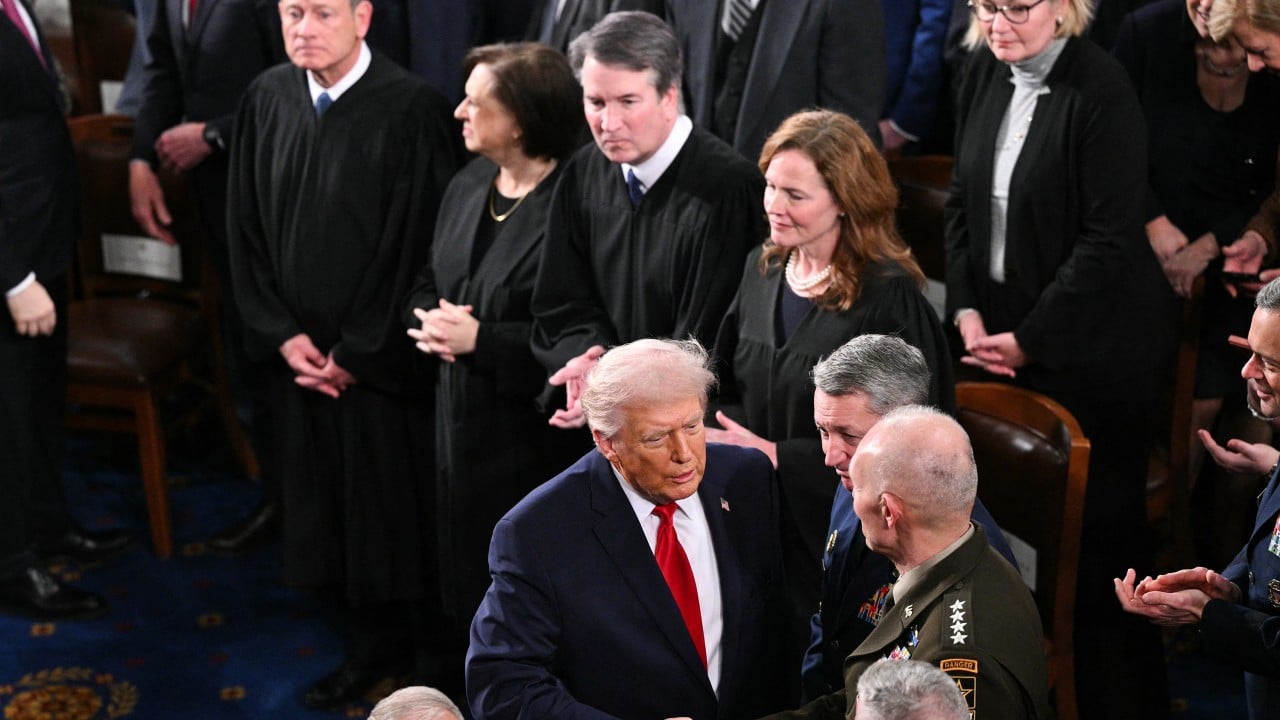
On February 20, 2026, the Supreme Court handed down a 6-3 decision in Trump v. V.O.S. Selections. The ruling was blunt. The President cannot use the International Emergency Economic Powers Act (IEEPA) to just slap tariffs on whatever he wants. Chief Justice Roberts made it clear that while the President has broad emergency powers, they don't include the power to tax. Tariffs are taxes. Period.
This decision effectively killed the "fentanyl emergency" tariffs and the "reciprocal" global baseline duties that had been draining corporate bank accounts for a year.
The problem? The Court didn't actually tell the government how to pay the money back. They left that to the lower courts—specifically the US Court of International Trade (CIT). Now, the DOJ is trying to jam the gears of that process before it even starts.
Why the DOJ Wants a Delay
The government's latest filing is a classic stall tactic. They've asked the CIT to hold off on any refund proceedings for at least 120 days. Their logic is that they need to "coordinate" between agencies like Customs and Border Protection (CBP) and the Treasury.
Here is what they're actually worried about:
- The Standing Argument: Some White House insiders are whispering that if you passed the tariff costs on to your customers, you shouldn't get a refund. It's a weak legal argument, but it's one they might use to shrink the payout.
- Budgetary Impact: $170 billion is a massive hole to suddenly poke in the federal budget.
- Administrative Chaos: There are over 2,000 lawsuits already filed, and potentially 300,000 importers who could claim a piece of the pie.
The government claims that since they pay interest on these refunds anyway, no one is "really" getting hurt by the wait. Tell that to a small business owner who's been struggling with cash flow for the last twelve months.
Liquidated vs Unliquidated Entries
If you're looking for your money, the most important word in your vocabulary right now is liquidation.
CBP usually "liquidates" or finalizes an entry within 314 days. If your entries haven't been liquidated yet, you're in the "easy" category. In theory, the government can just stop collecting and refund those automatically.
But for the billions already "liquidated," the process is a nightmare. You generally have 180 days after liquidation to file a protest. If you missed that window because you didn't think the law would change, you might be relying on the CIT to order a "blanket reliquidation." That's exactly what the DOJ is trying to delay.
Don't Wait for a Permission Slip
The biggest mistake you can make right now is assuming the government will eventually "do the right thing" and send a check automatically. They won't. They’re going to fight every inch of this.
Here’s what you need to do immediately:
- Audit Your Data: Use the Automated Commercial Environment (ACE) to pull every single entry where you paid IEEPA duties. Don't guess. Get the exact numbers.
- Check Your Liquidation Status: Sort your entries by those that are finalized and those still open. Your legal strategy for each will be different.
- Switch to ACH: As of early February, CBP has stopped mailing paper checks. If you aren't set up for electronic refunds, your money will sit in a government ether even if you win your claim.
- Join the Litigation: If you haven't filed a protective lawsuit in the Court of International Trade, talk to a trade attorney. The "me too" window for these claims might close faster than you think.
The government is betting that the sheer complexity of the refund process will make some companies give up or settle for less. Don't let your balance sheet be their rounding error. Get your documentation in order now so you're at the front of the line when the court finally loses patience with the DOJ's stalling.