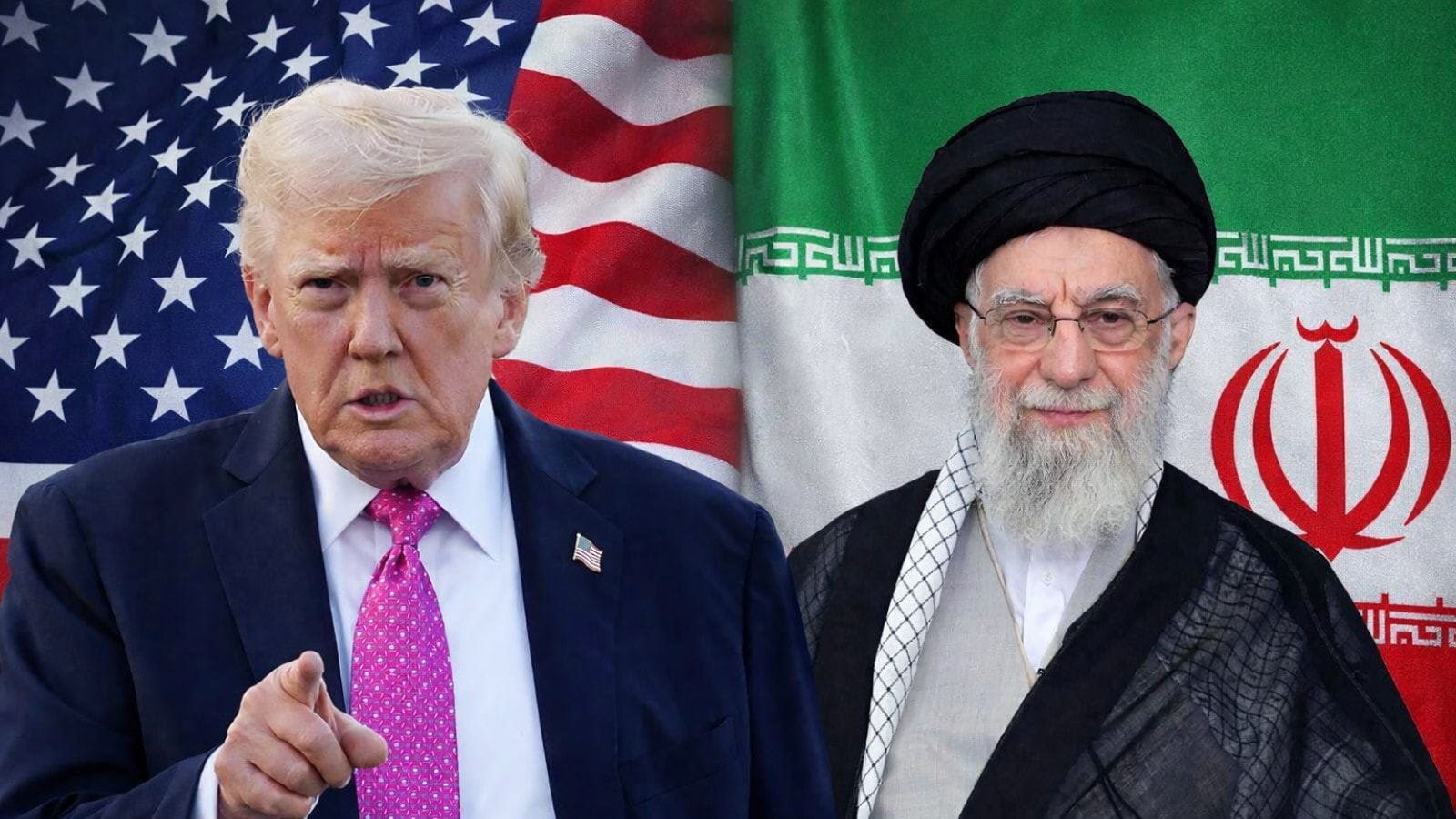
The shift from gray-zone containment to "major combat operations" against Iranian assets represents a fundamental pivot in the global security architecture. This transition moves beyond the 20th-century model of static deterrence into a high-intensity, multi-domain conflict framework. Success in this theater depends on the synchronization of three primary vectors: the degradation of Iranian A2/AD (Anti-Access/Area Denial) capabilities, the neutralization of regional proxy networks, and the securing of the world's most critical maritime energy artery.
The Strategic Triad of the Iranian Defensive Posture
Understanding the operational environment requires a granular analysis of how Iran projects power despite significant conventional disadvantages. Their strategy relies on an asymmetric triad designed to make the cost of intervention prohibitively high.
- Swarms and Sub-surface Denial: The Iranian Navy utilizes a "thousand stings" approach. Rather than fielding a blue-water fleet, they deploy hundreds of fast-attack craft (FAC) equipped with anti-ship cruise missiles and torpedoes. These vessels exploit the congested, shallow waters of the Persian Gulf to overwhelm sophisticated Aegis-equipped destroyers through sheer volume.
- The Missile Umbrella: Iran maintains the largest ballistic and cruise missile arsenal in the Middle East. These systems are not merely weapons of terror; they are calibrated tools for regional "reach-back," capable of striking carrier strike groups (CSGs) and regional hubs with increasing precision.
- The Proxy Force Multiplier: The Quds Force manages a decentralized network of non-state actors. These groups provide Iran with "plausible deniability" while allowing them to open multiple fronts—from the Bab el-Mandeb Strait to the Mediterranean—forcing an adversary to dilute their primary strike force.
The Cost Function of Blockade Enforcement
The Strait of Hormuz serves as a global economic bottleneck. Approximately 20% of the world's total petroleum liquids consumption passes through this 21-mile-wide passage daily. Any "major combat operation" must account for the immediate price elasticity of Brent Crude and the systemic risk to global supply chains.
The economic risk is not merely the physical destruction of tankers. It is the collapse of the maritime insurance market. When war risk premiums skyrocket, shipping companies divert hulls, effectively creating a "virtual blockade" even if the waterway remains technically open. A sustained 10-day closure of the Strait of Hormuz could trigger a supply-side shock equivalent to the 1973 oil embargo, potentially leading to a 3-5% contraction in global GDP within a single fiscal quarter.
Kinetic Precision vs. The Fog of High-Intensity Warfare
Moving from rhetorical pressure to major combat operations requires a radical shift in the application of kinetic power. The first phase of such an operation—SEAD (Suppression of Enemy Air Defenses)—is a massive undertaking. Unlike 20th-century campaigns in Iraq, Iran's topography is mountainous and vast. This terrain provides natural shielding for their mobile Bavar-373 and S-300 batteries.
A successful SEAD operation involves more than just destroying launchers. It requires the total degradation of the C4ISR (Command, Control, Communications, Computers, Intelligence, Surveillance, and Reconnaissance) loop. This includes cyber-kinetic strikes on hardened fiber-optic communication lines and the neutralization of the Iranian Space Program's burgeoning satellite tracking capabilities.
The second phase involves the "de-capping" of the Islamic Revolutionary Guard Corps (IRGC) command structure. This is not a decapitation strike in the traditional sense. It is the systemic elimination of the mid-level operational commanders who maintain the cohesion of decentralized proxy forces. Without centralized logistical support and tactical guidance, the proxy networks lose their efficacy as a unified strategic threat.
The Maritime Security Dilemma
Securing the Strait of Hormuz requires a persistent, multi-national maritime presence. This involves a fundamental shift in naval architecture—moving from a few multi-billion-dollar hulls to a distributed "mosaic" of autonomous and semi-autonomous systems.
- USV (Unmanned Surface Vessels): Deployment of Task Force 59-style drone fleets for 24/7 ISR (Intelligence, Surveillance, and Reconnaissance). These systems act as a "tripwire" and force-multiplier for the few remaining manned platforms.
- A2/AD Counter-Measures: Utilizing advanced electronic warfare (EW) to jam the guidance systems of Iranian cruise missiles before they reach their terminal phase.
- Mine Counter-Measures (MCM): Iran’s inventory of seabed and tethered mines remains the most cost-effective way to close the Gulf. Clearing these requires specialized, high-intensity MCM operations that are time-intensive and inherently high-risk.
Technical Limitations and Systemic Constraints
No military operation of this scale is without significant vulnerabilities. The primary bottleneck is the "magazine depth" problem. In a high-intensity conflict, the U.S. and its allies would consume precision-guided munitions (PGMs) at a rate that exceeds current production capacity. The defense industrial base (DIB) is not currently structured for a prolonged, multi-front kinetic engagement.
Another critical limitation is the "recoil" of the global financial system. The interconnectedness of modern markets means that a localized conflict in the Persian Gulf will have immediate, non-linear impacts on everything from the price of microchips to the stability of sovereign debt in emerging markets. The "economic theater" is as much a part of the battlefield as the Persian Gulf itself.
The Operational Reality of Major Combat
When the President announces "major combat operations," it signals the end of the "Maximum Pressure" campaign and the beginning of a "Maximum Impact" strategy. This is not a surgical strike; it is a full-scale commitment of resources to reshape the regional balance of power. The goal is the total degradation of the Iranian regime's ability to project force beyond its borders.
Success is not measured in territory gained. It is measured in the "attrition of will" and the systemic dismantling of the IRGC’s economic and military infrastructure. This requires a sustained, multi-year commitment that goes beyond the initial kinetic phase.
The strategic play is the immediate establishment of a "Permanent Maritime Security Zone" in the Gulf, backed by an integrated air and missile defense (IAMD) shield across the Arabian Peninsula. This creates a "safe zone" for global commerce, effectively neutralizing the Iranian blockade threat while continuing the degradation of their conventional and asymmetric military assets. The endgame is the forced transition of Iran from a regional revolutionary power back into a Westphalian state, constrained by the overwhelming reality of its own tactical and economic isolation.