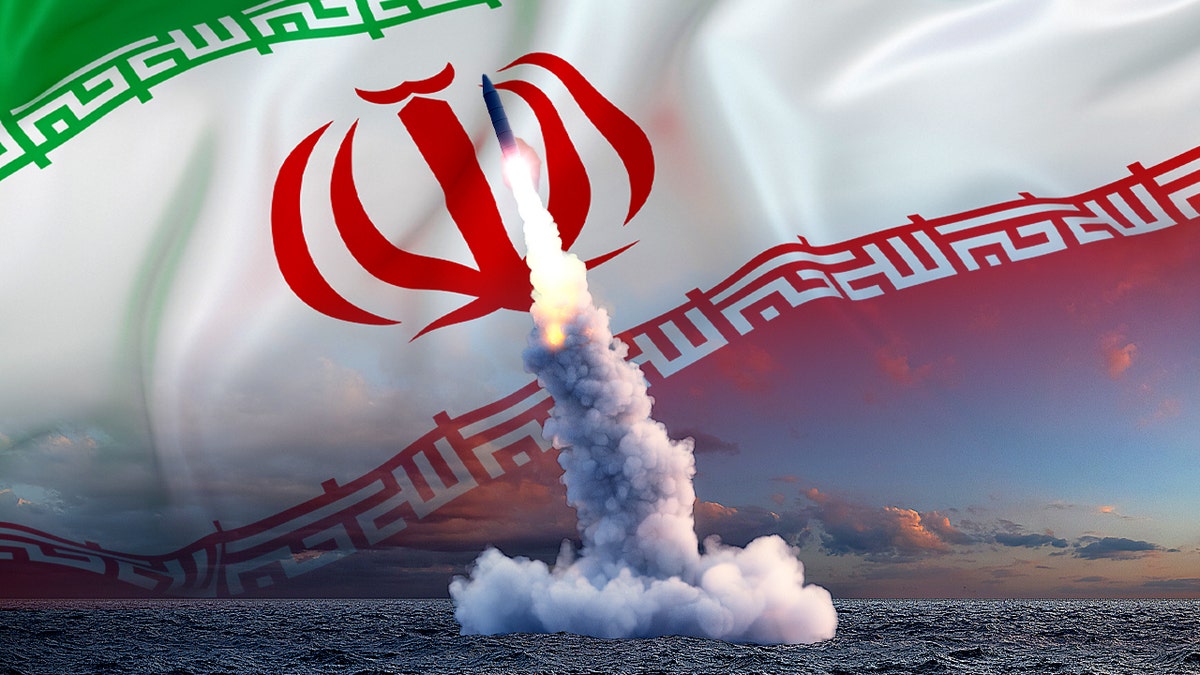
The Iranian government’s recent signals regarding the cessation of kinetic operations against neighboring states do not represent a shift in long-term regional objectives, but rather a recalibration of the cost-benefit function governing its forward defense policy. To analyze this pivot accurately, one must move beyond the surface-level rhetoric of "peace" and examine the structural pressures—economic, domestic, and military—that have rendered continued regional friction a diminishing asset for the Islamic Republic.
The Triad of Strategic Constraints
Tehran’s decision-making process is currently squeezed by three primary vectors that necessitate a cooling of regional tensions.
- Economic Exhaustion and Currency Volatility: The Iranian Rial faces persistent downward pressure. Continuous funding of regional proxies and the subsequent retaliatory sanctions have created a capital flight scenario that threatens internal stability. De-escalation serves as a pressure valve to prevent a total domestic economic collapse.
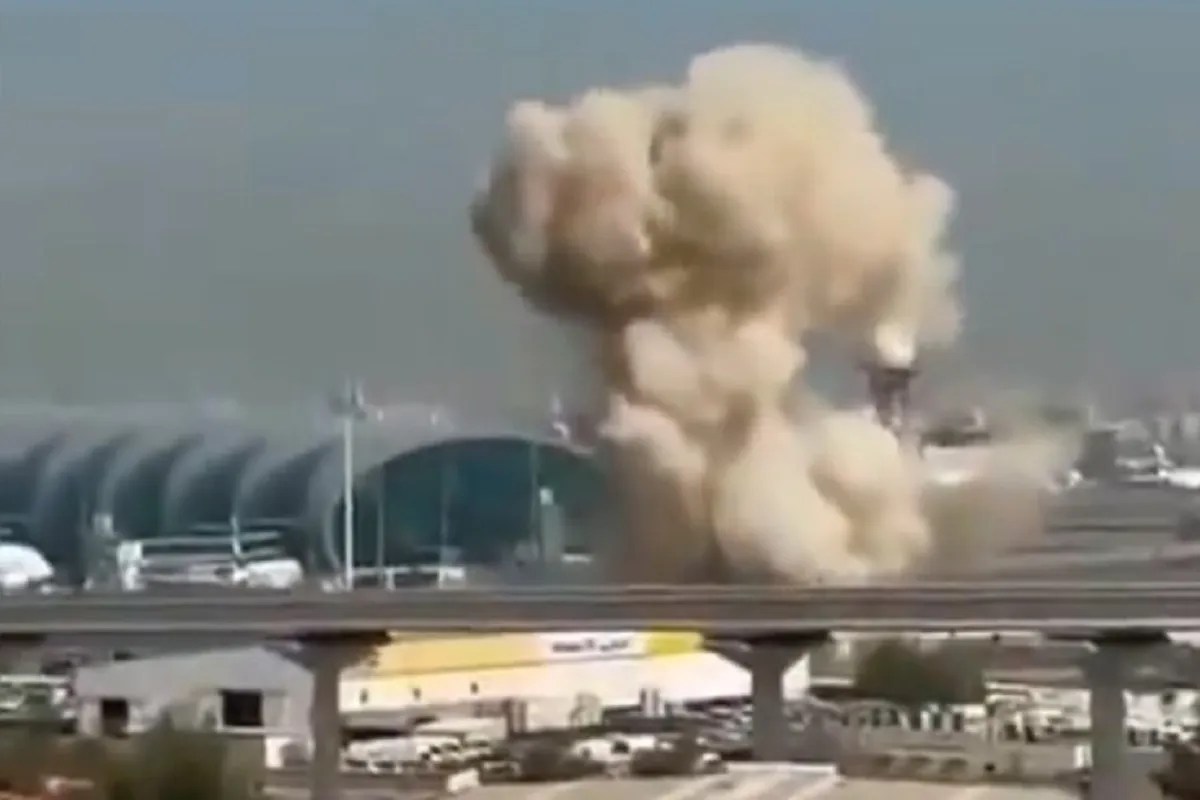
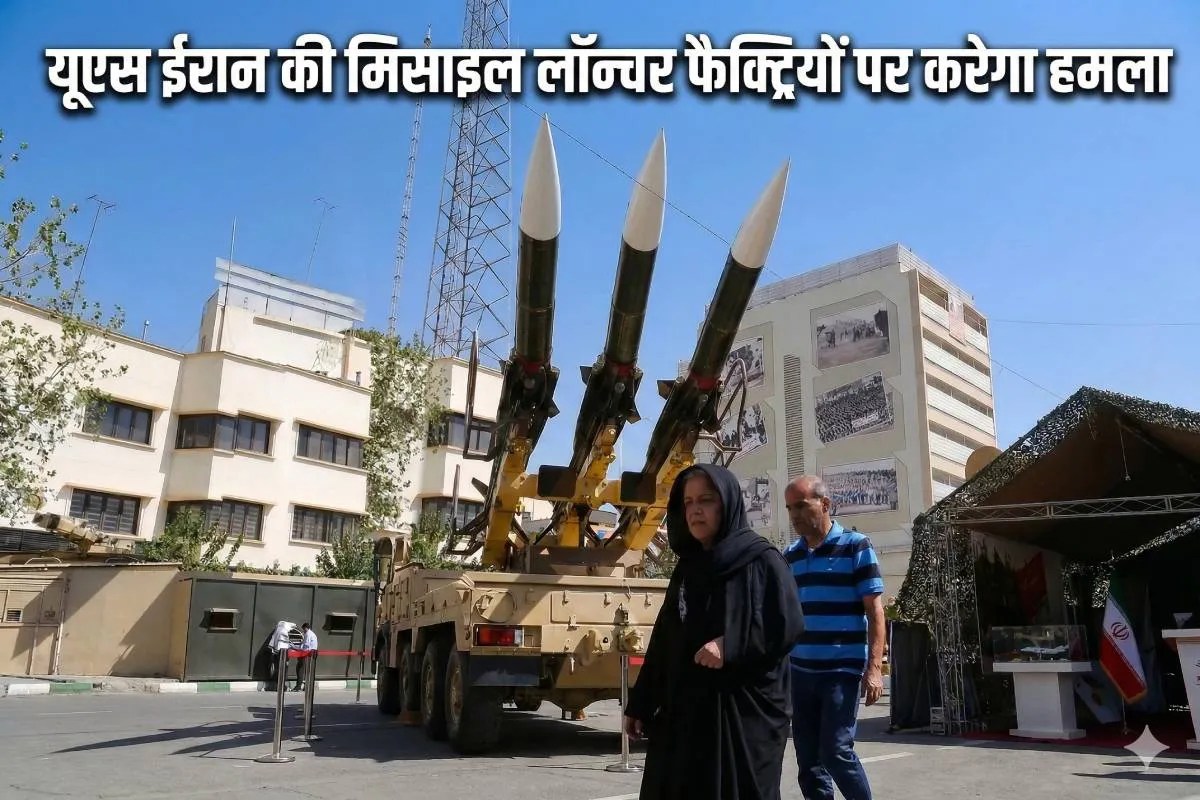
- Conventional Military Asymmetry: While Iran’s drone and missile programs have achieved significant technical milestones, the gap in conventional air power and advanced missile defense systems (such as the deployment of multi-layered interceptors by neighbors) has increased the "price per strike" for Tehran.
- Succession Politics: With the aging leadership in Tehran, the regime requires a period of relative external calm to manage the internal transition of power. Unpredictable regional wars introduce variables that could destabilize the domestic hierarchy during a sensitive leadership handoff.
The Mechanics of Defensive Depth
Iran’s "Forward Defense" doctrine has historically relied on the export of instability to ensure that any conflict remains outside its borders. The announcement of a halt in attacks suggests a transition from Active Kinetic Engagement to Consolidated Influence.
The logic follows a standard consolidation curve. Having established significant influence in Lebanon, Syria, Iraq, and Yemen, the cost of further expansion now outweighs the marginal utility of additional territory or influence. Tehran is shifting from an "acquisition" phase to a "retention" phase. This requires a different diplomatic posture—one that mimics Westphalian norms to protect the gains already made via non-state actors.
The Buffer State Paradox
A critical component of this de-escalation is the relationship with the Gulf Cooperation Council (GCC). For years, Tehran viewed the proximity of Western-aligned neighbors as a threat to be mitigated through intimidation. However, the Abraham Accords and the subsequent thickening of regional air defense networks have changed the math.
An aggressive Iran now drives its neighbors closer to its primary adversaries. Conversely, a dormant Iran creates a vacuum in the urgency for regional defense pacts. By "stopping the attacks," Iran aims to erode the foundational logic of its neighbors' security alliances. This is a tactical retreat designed to achieve a strategic decoupling of regional powers from extra-regional protectors.
Quantifying the Proxy Variable
The declaration of intent to stop attacking neighbors raises the question of Command and Control (C2) over the "Axis of Resistance." We must distinguish between three levels of Iranian involvement:
- Direct Kinetic Action: Strikes launched from Iranian soil or by the IRGC directly. These are the easiest to halt and represent the core of the current pledge.
- Directed Proxy Action: Operations conducted by groups like Hezbollah or Kata'ib Hezbollah under explicit Iranian orders. Halting these provides Tehran with "plausible deniability" while still exercising a "pause" button.
- Autonomous Local Action: Operations by smaller, localized cells that share an ideology but lack a tight C2 link to Tehran.
The primary risk to this new strategy is the "Agency Problem." If Tehran stops direct attacks but its proxies continue, the credibility of the de-escalation is voided. Therefore, a true cessation of hostilities requires Iran to expend political capital to restrain its own network—a move that risks alienating the very groups it spent decades cultivating.
Internal Metrics of Success
For the strategy of de-escalation to be considered successful by the Supreme National Security Council, it must yield specific data-driven results within a 12-to-24-month window:
- Sanctions Relief or Circumvention: Increased oil export volumes to Asian markets through a reduction in maritime interdiction and a softening of enforcement by Western powers seeking to reward the "pivot."
- FDI Inflows: Attracting regional capital, particularly from the UAE and Qatar, into Iranian infrastructure and energy sectors.
- Regional Integration: Progress on the International North-South Transport Corridor (INSTC) and other trade routes that require the cooperation of neighbors like Saudi Arabia and Azerbaijan.
The Intelligence Bottleneck
A major limitation in assessing the validity of this Iranian pivot is the Information Gap regarding the internal deliberations of the IRGC’s Quds Force. While the diplomatic wing (the Foreign Ministry) may project a desire for regional stability, the security apparatus often operates on a different timeline with different incentives.
The historical record shows a pattern of "Tactical Flexibility" (Narmesh-e Ghahramananeh). This is not a change in the regime's DNA but a survivalist adaptation. The pivot is real only insofar as the current environmental variables—high inflation, technical military parity, and succession risks—remain constant. If oil prices were to spike to $120 per barrel or if internal dissent were completely crushed, the incentive for de-escalation would likely evaporate.
Structural Reconfiguration of the Region
This shift forces neighboring countries into a "Trust but Verify" posture. The logic of regional security is moving from deterrence through threat to deterrence through entanglement. By integrating Iran into regional trade and diplomatic frameworks, neighbors hope to raise the "Exit Cost" of future Iranian aggression.
The second limitation is the role of Israel. As the primary regional outlier not included in this "neighborly" rapprochement, Israel remains a wildcard. Any Israeli strike on Iranian nuclear infrastructure would immediately collapse the "stop attacking neighbors" policy, as Tehran would likely retaliate against regional bases housing Western assets or through its traditional proxy channels, regardless of recent promises.
Strategic Forecast
The immediate play for regional actors and global observers is to monitor the Operational Tempo (OPTEMPO) of drone and missile transfers across the Iraqi and Syrian borders. If the flow of hardware remains constant despite the de-escalatory rhetoric, the "stop" is merely a pause for re-arming.
The strategic play for the West and the GCC is to test the sincerity of this pivot by demanding formal security guarantees that include the decommissioning of specific long-range strike capabilities. Iran will likely resist this, attempting to trade a "temporary silence" for "permanent economic concessions." The outcome of this negotiation will determine whether the Middle East enters a period of genuine cold peace or if this is simply the quiet before a more sophisticated, multi-domain conflict.
Tehran’s move is a sophisticated play for time. By reducing the visibility of its aggression, it aims to fracture the international consensus on sanctions while maintaining its asymmetric capabilities in a state of "warm standby." Success for the Iranian state now depends on its ability to transition from a revolutionary power to a status-quo power without losing the loyalty of its ideologically driven security core.
Would you like me to analyze the specific economic indicators within the Iranian energy sector that would signal a successful execution of this de-escalation strategy?