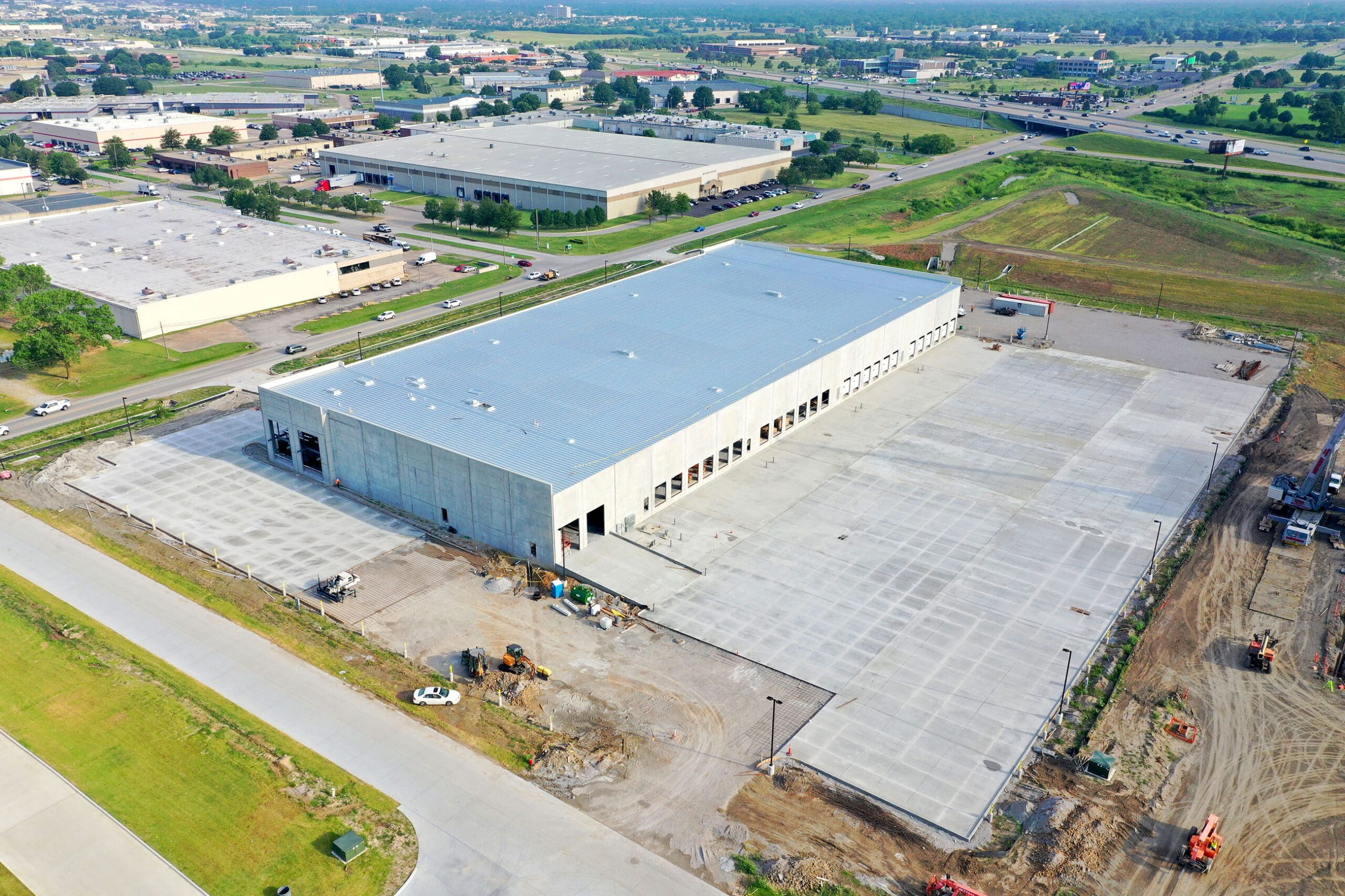
Frito-Lay is pulling the plug on its San Bernardino County warehouse, and the fallout isn't just about empty shelves or rerouted delivery trucks. It's about 247 people losing their livelihoods in an Inland Empire economy that's increasingly volatile. While the snack giant—a subsidiary of the behemoth PepsiCo—frames these moves as "optimization," the reality on the ground feels a lot more like a gut punch to the local workforce.
You’ve likely seen the headlines about the "logistics capital of the world" slowing down. This isn't just a rumor anymore. When a company with the scale of Frito-Lay decides to shutter a major distribution hub, it signals a shift in how these corporations view the Southern California footprint. They aren't just tweaking a spreadsheet. They're moving pieces on a map where labor costs, automation, and real estate taxes are the only metrics that matter.
The Numbers Behind the San Bernardino Exit
Let's look at the hard facts. According to the Worker Adjustment and Retraining Notification (WARN) Act filings, the closure isn't a gradual phase-out. It’s a hard stop. 247 employees are being cut loose. These aren't just "positions"; they’re drivers, warehouse loaders, and administrative staff who kept the supply chain moving for one of the most recognizable brands in the world.
The facility located in the San Bernardino area has served as a critical node for moving Cheetos, Doritos, and Lay’s chips from production lines to grocery store aisles. Why shut it down now? PepsiCo has been vocal about its "Simplification Program." In corporate-speak, that usually means cutting heads to satisfy shareholders. When the cost of keeping those 247 people on the payroll exceeds the perceived benefit of that specific geographic location, the lights go out.
It’s worth noting that this isn't happening in a vacuum. The Inland Empire has spent the last decade gorging on warehouse growth. Now, the indigestion is setting in. We're seeing a cooling period where the massive demand of the 2020-2022 era is meeting the reality of 2026's leaner consumer spending.
Why the Inland Empire is Losing its Luster for Big Food
For years, San Bernardino and Riverside counties were the promised land for logistics. Land was cheaper than in Los Angeles or Orange County. The labor pool was deep. But the math has changed. Labor unions have become more aggressive—rightfully so—and California’s regulatory environment continues to tighten.
I’ve seen this pattern before. A company realizes it can consolidate operations into a more automated "mega-hub" elsewhere, often in states with lower overhead or in less expensive pockets of the Central Valley. By closing the San Bernardino site, Frito-Lay likely expects to funnel that volume through other existing California sites that have already been upgraded with newer tech.
The human cost is the part that never quite makes it into the quarterly earnings call. For a worker in San Bernardino, finding a comparable job isn't as easy as walking across the street to the next warehouse. Many of these neighboring facilities are also tightening their belts or, worse, replacing manual picking jobs with robotics.
What This Means for the Local Economy
When 247 jobs vanish, the ripple effect hits the local diners, gas stations, and small businesses that rely on those workers’ paychecks. San Bernardino has struggled for years to move past its bankruptcy and high crime rates. Every time a major employer exits, it’s a setback for the city's tax base.
- Loss of stable wages: Frito-Lay jobs typically offered better benefits and pay scales than the average "gig-style" warehouse gig.
- Property value stagnation: Large, vacant industrial spaces can become blights if they aren't quickly repurposed.
- Reduced consumer confidence: When a household name leaves town, it rattles the community's sense of stability.
We also have to talk about the timing. We're in a period where inflation has made every grocery trip an exercise in frustration. PepsiCo has raised prices significantly over the last two years, citing "input costs." Yet, they're still cutting staff. It's a tough pill for the laid-off workers to swallow when they see the parent company reporting billions in profit while their gate is being locked for the last time.
The Automation Elephant in the Room
One thing the corporate press releases won't tell you is how much automation played a role. Frito-Lay has been investing heavily in "automated storage and retrieval systems" (ASRS). These systems don't need lunch breaks, they don't file workers' comp claims, and they don't care about the heat in a San Bernardino summer.
If you're a warehouse worker today, you aren't just competing with the guy in the next town. You're competing with a robotic arm that can sort 500 cases of SunChips an hour without breaking a sweat. The closure of older facilities is often a precursor to the opening of "dark warehouses" where the lights stay off because there aren't any humans inside to see.
Navigating the Fallout if You’re Affected
If you're one of the 247 people getting that pink slip, the situation is grim, but there are moves to make. The WARN Act exists for a reason—it gives you a window of time to figure out your next steps.
First, don't wait for the official "last day" to start your pivot. The logistics market in the Inland Empire is saturated with talent right now. You need to be at the front of the line for new opportunities in more resilient sectors like healthcare or clean energy, both of which are seeing growth in the region.
Second, check your benefits. Frito-Lay and PepsiCo often have severance packages that are standardized for these kinds of closures. If they aren't being offered, the state of California has resources for displaced workers that go beyond a simple unemployment check.
Finally, don't buy into the narrative that this is just "business as usual." It's a fundamental shift in how big companies treat their most valuable asset—the people. San Bernardino is losing a massive piece of its industrial identity, and the families affected by this deserve a lot more than a form letter and a two-month warning.
The New Reality of San Bernardino Logistics
The Inland Empire’s warehouse boom was always a double-edged sword. It brought thousands of jobs but also traffic, pollution, and a reliance on a single, volatile industry. As Frito-Lay closes up shop, it’s a stark reminder that these companies don't have deep roots in the cities they build in. They have leases and spreadsheets.
If you're looking for a job in the region now, the best strategy is to look at companies that are diversifying. Avoid the single-product warehouses that are easily replaced by a robotic arm. Diversify your skills into logistics management or specialized equipment operation. Those are the only human-proof roles left in the warehouse game.
San Bernardino will survive the loss of 247 jobs, but the message it sends to the rest of the Inland Empire is loud and clear: nobody’s job is safe when a multinational decides the map needs a "refresh."


