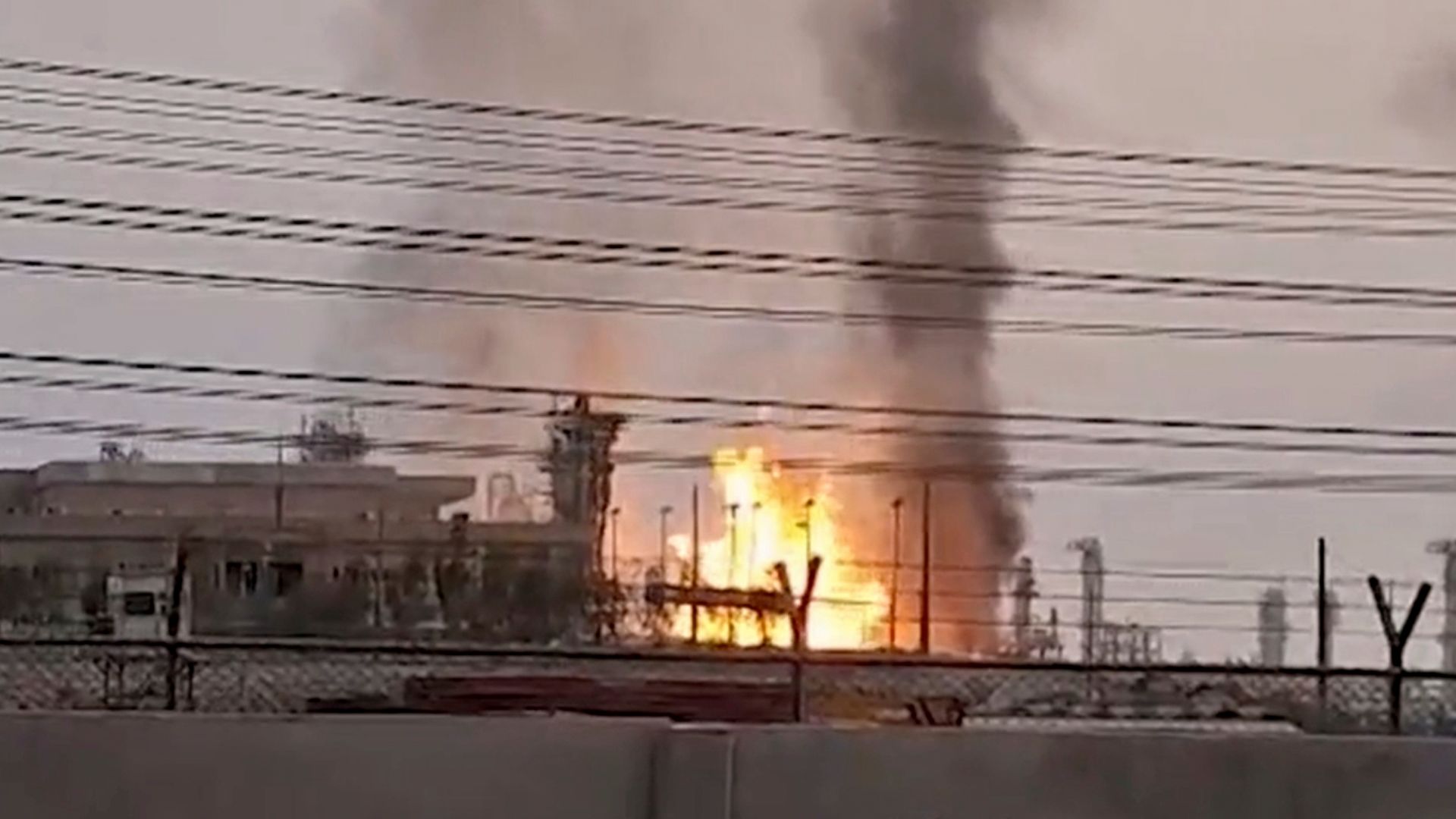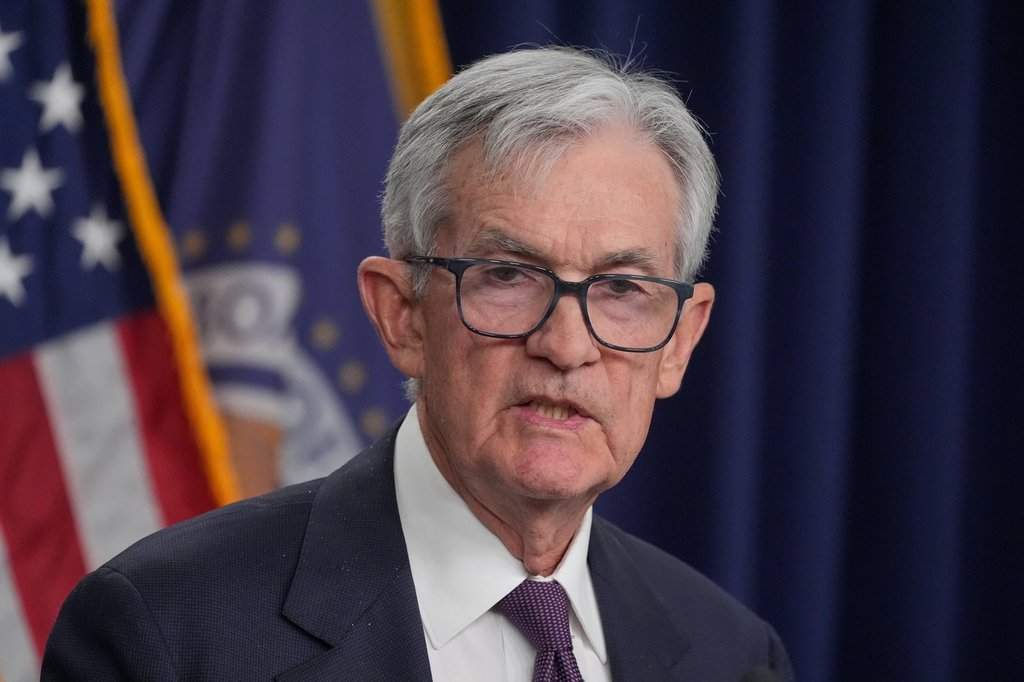
The Federal Reserve has once again chosen to keep interest rates steady, but the official statement masks a deeper anxiety haunting the halls of the Eccles Building. While Wall Street looked for hints of a summer rate cut, Jerome Powell and his colleagues are staring at a geopolitical landscape that threatens to undo two years of aggressive monetary tightening. The primary culprit is no longer just domestic consumer demand. Instead, the risk of a widening conflict in the Middle East—specifically involving Iran—has introduced a volatile energy premium that the Fed cannot control with traditional interest rate hikes.
This stalemate leaves the American economy in a precarious "wait and see" mode. By holding the federal funds rate at its current twenty-year high, the Fed is betting that the current restrictive stance will eventually cool the labor market and bring inflation back to its 2% target. However, that target feels increasingly distant as global shipping routes face disruption and oil prices react to every headline out of Tehran and Tel Aviv. The central bank is not just fighting a domestic battle anymore. It is playing a global game of defensive chess where the board keeps changing.
The Mirage of the Soft Landing
For months, the narrative of a "soft landing" dominated financial news. The idea was simple. The Fed would raise rates just enough to kill inflation without triggering a massive recession. On paper, it looked like they were winning. Unemployment remained low, and the Consumer Price Index (CPI) began to retreat from its 9% peak. But the final stretch of the inflation fight is proving to be the hardest.
Prices for services, insurance, and housing remain stubbornly high. When you add a geopolitical shock to this mix, the "soft landing" begins to look more like a slow-motion crash. The Fed’s tools are blunt instruments. They can reduce the amount of money circulating in the economy, but they cannot produce more oil or protect tankers in the Red Sea. If energy costs spike because of a direct conflict with Iran, the resulting "cost-push" inflation will hit every sector of the economy, from grocery shelves to airline tickets.
The Fed is terrified of the 1970s. During that era, the central bank declared victory over inflation too early, only to see it roar back even stronger when oil shocks hit. Jerome Powell is determined not to repeat that mistake. This explains why the "higher for longer" mantra has replaced any talk of immediate relief for borrowers.
The Iran Factor and the Shadow of Energy Inflation
The specter of a direct confrontation between Israel and Iran has fundamentally changed the risk calculus for the Fed. While the U.S. has become a net exporter of energy, oil is a global commodity priced on a global market. A disruption in the Strait of Hormuz—the world's most important oil transit chokepoint—would send prices skyrocketing regardless of how much shale the U.S. pumps in the Permian Basin.
Higher oil prices act as a hidden tax on every American household. It isn't just the price at the pump. It is the cost of the plastic in your toothbrush and the fuel for the truck that delivered your Amazon package. When energy prices rise, businesses pass those costs on to consumers to protect their margins. This creates a feedback loop that the Fed is desperate to avoid.
Historically, the Fed often "looks through" energy spikes, viewing them as temporary. But in a world already primed for inflation, these spikes can become "unanchored." If consumers expect prices to keep rising because of war, they change their spending habits, and workers demand higher wages. Once that psychological shift happens, inflation becomes structural rather than transitory.
The Housing Market Stagnation
While the Fed waits for geopolitical tensions to simmer down, the domestic housing market is frozen in a state of suspended animation. Mortgage rates, which track the 10-year Treasury yield, remain prohibitively high for most first-time buyers.
We are seeing a unique phenomenon where supply and demand are both suppressed. Existing homeowners, many of whom locked in 3% mortgage rates during the pandemic, are refusing to sell. Why would they trade a 3% rate for a 7% rate? This "lock-in effect" has decimated the inventory of available homes, keeping prices high despite the fact that borrowing is more expensive.
The Fed’s current policy is essentially a war of attrition against the housing market. They need the market to cool to lower the "shelter" component of the CPI, which accounts for about a third of the index. But by keeping rates high, they are also discouraging the construction of new homes, which is the only long-term solution to the supply shortage. It is a paradox that shows no signs of resolving in the near term.
The Hidden Stress in the Banking Sector
Beyond the consumer, the Fed must also monitor the stability of the banking system. Higher interest rates have crushed the value of long-term bonds held by banks. We saw the first cracks in early 2023 with the collapse of several regional lenders. While the immediate panic subsided, the underlying pressure remains.
Commercial real estate is the next potential flashpoint. With office vacancy rates at historic highs due to remote work, many developers are struggling to refinance their debts at today’s higher rates. If a wave of defaults hits regional banks, the Fed might be forced to cut rates to save the financial system, even if inflation is still above 3%. This creates a "dual-threat" scenario where the Fed has to choose between price stability and financial stability.
The Myth of the Neutral Rate
There is a growing debate among economists about whether the "neutral rate"—the interest rate that neither stimulates nor restricts the economy—has moved higher. For years, we lived in a world of 0% interest rates and low inflation. Those days are gone.
Technological shifts, the "green energy" transition, and the deglobalization of supply chains are all inherently inflationary. If the neutral rate is now 4% instead of 2%, the Fed may have less room to maneuver than investors think. This means that even when the Fed eventually does cut rates, they won't be going back to the floor. The era of "easy money" is likely buried under a mountain of debt and geopolitical reality.
Global Consequences of a Strong Dollar
The Fed does not operate in a vacuum. Because the U.S. dollar is the world's reserve currency, higher U.S. rates draw capital away from the rest of the world and into American assets. This strengthens the dollar, making it more expensive for other countries to buy commodities or service their own dollar-denominated debts.
In emerging markets, a strong dollar is a disaster. It exports U.S. inflation to other nations, forcing their central banks to raise rates even if their economies are struggling. This global tightening cycle increases the risk of a worldwide recession. The Fed claims its mandate is strictly domestic, but the reality is that Jerome Powell is the world’s de facto central banker. If he stays too tight for too long, he risks breaking something in the global financial plumbing that could wash back onto U.S. shores.
The Political Pressure Cooker
The timing of this "hold" is also complicated by the election cycle. As we move deeper into the year, every move—or lack thereof—by the Fed will be scrutinized through a political lens. Lowering rates could be seen as a gift to the incumbent, while keeping them high could be viewed as a drag on the economy.
Jerome Powell has spent his career defending the Fed’s independence, but the pressure is mounting from both sides of the aisle. The Fed wants to be seen as technocratic and data-driven, yet the "data" is increasingly influenced by factors that are inherently political, such as trade wars and military alliances.
The most likely path forward is a prolonged period of stagnation. The Fed will likely keep rates at this level until they see a definitive crack in the labor market or a significant drop in core inflation. Neither seems imminent. The labor market, while cooling, is still adding jobs at a pace that suggests the economy is far from a recession.
Why the Market is Wrong About Rate Cuts
Investors have been remarkably optimistic, repeatedly pricing in multiple rate cuts that have failed to materialize. This disconnect between Wall Street and the Fed exists because the market is focused on corporate earnings, while the Fed is focused on the long-term integrity of the dollar.
If the Fed cuts rates too soon and inflation rebounds, their credibility is destroyed. In the world of central banking, credibility is the only real currency. Once people lose faith that the Fed can control prices, they start demanding higher prices and higher wages in anticipation of future inflation. This is how a temporary price spike turns into a permanent inflationary spiral.
The current policy isn't just about the next six months; it's about the next twenty years. The Fed is willing to tolerate some economic pain today to ensure they don't lose control of the narrative tomorrow.
The Oil Weapon and the Future of Policy
If the conflict with Iran escalates, the "oil weapon" could once again become a factor in global economics. Unlike the 1970s, the U.S. is more energy-independent, but the global economy is more interconnected than ever. A surge in energy prices would likely force the Fed to pause any plans for rate cuts indefinitely.
We are entering a phase of "geopolitical macroeconomics." In this new environment, a drone strike in the Persian Gulf is just as important to the Fed's decision-making as a domestic retail sales report. The central bank is essentially flying a plane with one engine failing and a storm front moving in. Their only choice is to maintain their current altitude and hope the weather clears before they run out of fuel.
The Fed’s decision to hold rates is an admission that they no longer have total control over the economic outcome. They are reactive, not proactive, waiting to see if the fires in the Middle East will burn out or spread. Until that question is answered, the American consumer will continue to pay the price in the form of high borrowing costs and persistent inflation.
The assumption that interest rates will eventually return to "normal" levels is a dangerous one. We may be witnessing the birth of a new normal where volatility is the constant and the Fed is a permanent firefighter rather than a steady hand on the tiller.
Watch the price of Brent Crude as closely as the CPI print. In the current climate, they are two sides of the same coin.