The collapse of the Cuban healthcare model is not a sudden event but a predictable outcome of chronic underinvestment coupled with an unsustainable "Medical Internationalism" export strategy. For decades, the Cuban state leveraged its healthcare system as a primary source of hard currency, treating physicians as a liquid asset. This extraction of human capital, intended to subsidize the domestic economy, has reached a tipping point where the internal system can no longer maintain basic functional equilibrium. The current degradation is characterized by three primary failure vectors: infrastructure energy dependency, supply chain insolvency, and the mass exodus of specialized labor.
The Triple Constraint of Cuban Medical Infrastructure
The functionality of any modern hospital relies on the stability of the "Triple Constraint": reliable power, sterile inputs, and specialized personnel. In Cuba, all three variables are currently in a state of simultaneous decline.
1. Energy Dependency and Life-Support Failure
Modern medical procedures are energy-intensive. The Cuban electrical grid, reliant on aging thermoelectric plants and expensive imported fuel, has entered a cycle of systemic blackouts. Unlike commercial sectors, healthcare cannot absorb intermittent power without immediate mortality consequences.
- Cold Chain Disruption: Vaccines and specialized pharmaceuticals require strict temperature controls. Frequent power outages render localized storage units useless, leading to the disposal of scarce biologicals.
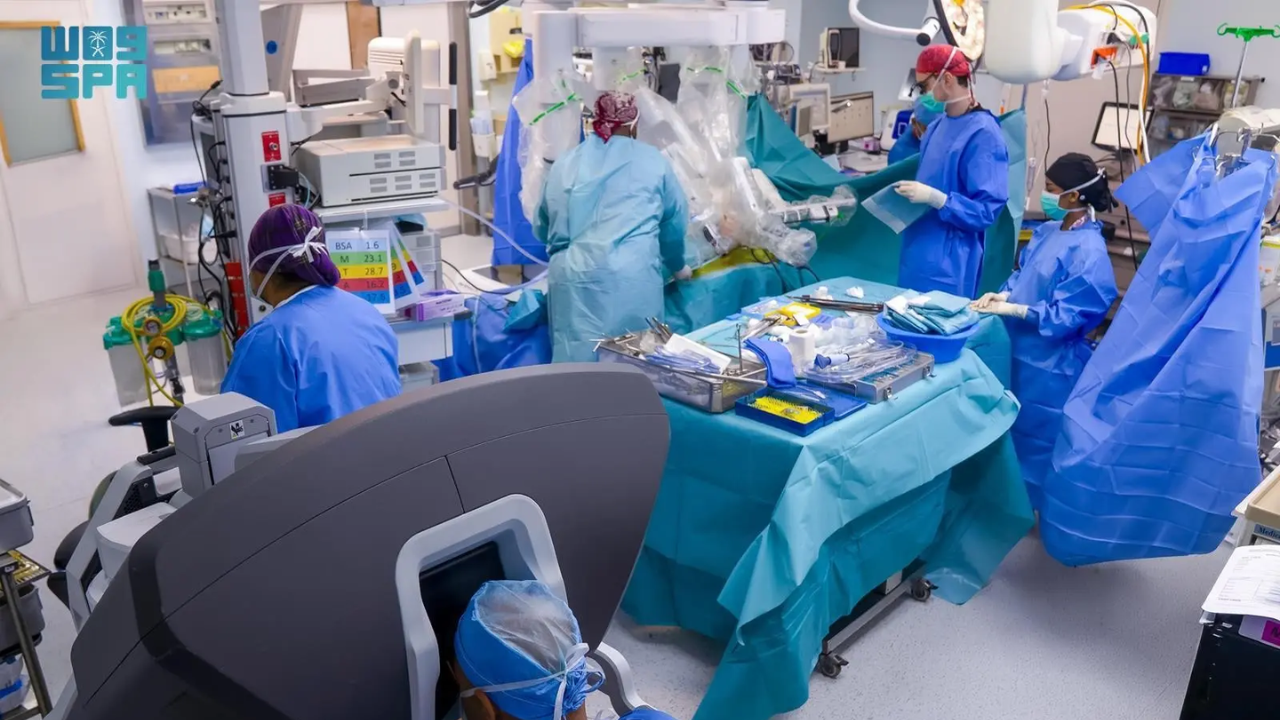
- Surgical Interruptions: The absence of redundant, high-capacity backup generators means that surgeries are either delayed indefinitely or conducted under high-risk conditions.
- Sterilization Breaches: Autoclaves and filtration systems require consistent energy to maintain aseptic environments. When these systems fail, the baseline rate of hospital-acquired infections (nosocomial infections) increases exponentially.
2. Supply Chain Insolvency and Material Scarcity
The Cuban government’s inability to access international credit markets and its prioritization of the tourism sector has starved the Ministry of Public Health of essential hard currency. This creates a "scarcity feedback loop" where even basic diagnostics become impossible.
- Diagnostic Blindness: Lack of reagents for blood tests, X-ray film, and contrast media for CT scans forces clinicians to rely on symptomatic "guesswork" rather than evidence-based medicine.
- Sanitary Deficit: The shortage of basic detergents and surgical soap creates a foundational breakdown in hygiene. When a system lacks the inputs to wash bed linens or sanitize floors, it ceases to function as a healing environment and becomes a vector for disease.
- Pharmacological Gaps: The domestic pharmaceutical industry, BioCubaFarma, is struggling to produce even basic analgesics and antibiotics due to a lack of raw imported precursors.
3. Human Capital Attrition: The Brain Drain Equation
The most critical failure is the erosion of the medical workforce. The Cuban state’s "Doctor Diplomacy" program—sending thousands of clinicians abroad—was designed to generate revenue. However, the internal cost of this policy is the "Hollowed-Out Clinic."
- Salary Compression: A Cuban physician earns a fraction of the purchasing power of a delivery driver or a small-scale entrepreneur in the emerging private sector. This creates a powerful incentive for "Internal Exile," where doctors leave the profession for more lucrative, low-skill work.
- The Migration Funnel: Professional medical staff are disproportionately represented in the current wave of migration to the United States and Europe. The system is losing its mid-career experts—the surgeons and specialists who train the next generation.
- Burnout and Moral Injury: Practitioners are forced to work in environments where they have the knowledge to save a patient but lack the physical tools (syringes, oxygen, sutures). This results in "moral injury," a psychological state that accelerates professional resignation.
The Economic Paradox of Exported Healthcare
To understand the decline, one must analyze the "Medical Export vs. Domestic Maintenance" trade-off. Historically, medical services accounted for an estimated $6 billion to $8 billion in annual revenue for the Cuban state. This revenue was meant to fund the domestic system. Instead, the data suggests it was redirected to fill general fiscal deficits or invested in real estate development for tourism (GAESA).
This creates a predatory economic model. The state sells the labor of its doctors to foreign governments (Brazil, Venezuela, Mexico) at premium rates while paying those doctors a small stipend. The "surplus value" is not reinvested in the hospital infrastructure where these doctors were trained. This underinvestment has led to a depreciation of physical assets—buildings, MRI machines, sewage systems—that has now surpassed the point of simple repair. The system requires a total recapitalization that the Cuban state cannot afford.
Structural Decay of the "Consultorio" Model
The cornerstone of the Cuban system was the "Family Doctor and Nurse" program (Consultorio del Médico y la Enfermera de la Familia). This decentralized model focused on preventative care to reduce the burden on tertiary hospitals. This model is now failing due to logistical friction.
- Geographic Isolation: Without functional transport or fuel, patients in rural areas cannot reach clinics, and doctors cannot conduct home visits.
- Preventative Collapse: When basic medications like those for hypertension or diabetes are unavailable, manageable chronic conditions escalate into acute emergencies. This floods the already-decaying emergency rooms with patients who should have been treated at the primary level.
- Data Degradation: The hallmark of the Cuban system was its rigorous health statistics. However, as the system breaks down, the accuracy of reporting on infant mortality and infectious outbreaks is increasingly questioned by independent analysts.
The Mechanistic Reality of Surgical Delays
The "Surgical Waitlist" in Cuba is no longer a matter of scheduling; it is a matter of resource alignment. To perform a single appendectomy, the following variables must align:
- Power: The grid must be active or the generator fueled.
- Water: Running water must be available for scrubbing.
- Anesthesia: Gases and induction agents must be in stock.
- Hardware: Scalpels, sutures, and sterile drapes must be available.
- Staff: A surgeon, anesthesiologist, and nurse must all be present and not on an overseas mission.
If any one of these five variables is zero, the output of the surgical function is zero. In many provincial hospitals, the probability of all five variables being "1" simultaneously is declining toward a statistical rarity.
Public Health Implications of Sanitary Failure
The breakdown of waste management and water treatment within hospitals poses a systemic risk to the broader population. We are seeing a resurgence of diseases that were previously controlled or eradicated.
- Vector-Borne Pathogens: Dengue and Oropouche virus outbreaks are exacerbated by the inability to conduct widespread fumigation or manage standing water near medical facilities.
- Water-Borne Illness: Chronic issues with the aqueduct system lead to cross-contamination between sewage and drinking water, resulting in spikes in diarrheal diseases.
- Antibiotic Resistance: The inconsistent availability of antibiotics leads to incomplete treatment cycles, which is the primary driver for the development of multi-drug resistant organisms within the hospital environment.
Strategic Realities for the Healthcare Sector
The decline of Cuban healthcare is a structural correction. The previous "prestige" of the system was built on a foundation of massive Soviet subsidies and, later, Venezuelan oil-for-doctors swaps. Without an external patron to provide the energy and capital inputs, the system is reverting to a baseline consistent with a low-income, resource-strapped nation.
The strategy for any international observer or humanitarian entity must be to bypass the centralized "prestige" narrative and focus on the "Basics of Survival" at the local level.
- Decentralized Energy: Prioritizing solar-plus-storage solutions for provincial hospitals to decouple life-saving equipment from a failing national grid.
- Direct Supply Chains: Bypassing the central bureaucracy to ensure that medical consumables reach the point of care rather than being lost to "shrinkage" or administrative diversion.
- Retention Incentives: Recognizing that without a radical shift in the compensation model for medical professionals, the internal "Brain Drain" will result in a total loss of the system's institutional memory within the next decade.
The system is currently in a state of "Functional Collapse"—where the buildings stand and the staff report for duty, but the actual delivery of healthcare has ceased for the majority of the population. The gap between the state's rhetoric of "Medical Excellence" and the clinical reality of "Resource Zero" is the primary source of social friction and systemic instability in modern Cuba.
The final strategic pivot for the Cuban health administration must be an immediate cessation of human capital exports in favor of domestic stabilization. This requires a reallocation of hard currency from tourism infrastructure directly into the medical supply chain. Failure to execute this pivot will result in a permanent transition from a provider of international medical aid to a permanent recipient of it.
Strategic Recommendations:
- Audit and Triage: Conduct a brutal assessment of hospital viability, closing non-functional clinics to consolidate remaining resources (oxygen, power, staff) into "Critical Hubs."
- Private-Sector Integration: Allow for the private importation of medical supplies and the establishment of non-state clinics to offload the demand on the public system.
- Debt-for-Health Swaps: Negotiate international debt relief specifically earmarked for the refurbishment of the pharmaceutical manufacturing sector.
Would you like me to develop a detailed comparative analysis of Cuban healthcare outcomes versus neighboring Caribbean nations over the last five years?