India is currently caught in a vice between its massive energy requirements and a volatile global supply chain that is fracturing under the weight of prolonged geopolitical conflict. For a nation that imports roughly 85% of its crude oil and nearly half of its natural gas, the ongoing wars in Eastern Europe and the Middle East are not just distant diplomatic headaches. They are direct threats to the fiscal stability of the state. The immediate impact is clear in the rising cost of procurement, but the deeper crisis lies in the structural vulnerability of India’s energy security strategy, which has long relied on the assumption of cheap, accessible global markets.
The math is unforgiving. Every $10 increase in the price of a barrel of oil expands India’s current account deficit by billions of dollars and puts downward pressure on the rupee. When global supply routes like the Red Sea become combat zones, the "war premium" on freight and insurance acts as a hidden tax on every Indian citizen. While the government has managed to keep retail pump prices relatively stable through aggressive diplomacy and tactical shifts toward discounted Russian barrels, this is a temporary shield. The foundation is cracking.
The Russian Discount Trap
Since early 2022, India has fundamentally rewritten its oil procurement playbook. Before the invasion of Ukraine, Russian oil accounted for less than 2% of India’s total imports. By mid-2023, that number had surged past 40%. On paper, this was a masterstroke of economic pragmatism. By ignoring Western pressure and securing Urals grade crude at significant discounts, India saved an estimated $5 billion to $7 billion in a single fiscal year.
But this pivot created a new set of dependencies. As the G7 price cap on Russian oil became more sophisticated and enforcement tightened, the logistics of these trades became increasingly murky. India now relies on a "shadow fleet" of aging tankers with questionable insurance coverage to move this oil. If a major spill occurs or if international sanctions tighten to the point of total paralysis, the sudden loss of Russian volume would send India screaming back into the open market. This would trigger a price spike that the domestic economy is poorly positioned to absorb.
Furthermore, the payment mechanisms for this oil are a mess. Trading in rupees has failed to gain traction because Russian suppliers have little use for a currency that isn't widely convertible. Settling trades in dirhams or yuan introduces exchange rate risks and political sensitivities that complicate what should be a straightforward business transaction. The "cheap oil" narrative ignores the high cost of the diplomatic and financial gymnastics required to keep the taps open.
The Gas Crisis and Industrial Paralysis
While oil dominates the headlines, the situation with Liquefied Natural Gas (LNG) is arguably more precarious. India’s transition toward a "gas-based economy"—with a target of increasing natural gas in the energy mix from 6% to 15% by 2030—is currently stalled. Unlike oil, which can be diverted relatively easily between tankers, LNG markets are governed by long-term contracts and rigid infrastructure.
When European nations were forced to decouple from Russian pipeline gas, they entered the spot market with massive purchasing power, effectively outbidding developing nations like India. This forced Indian fertilizer plants and power stations to either scale back operations or switch to dirtier fuels like coal and naphtha. This isn't just an environmental setback; it is an industrial failure.
The vulnerability here is twofold. First, India lacks sufficient domestic storage to weather long-term supply disruptions. Second, the heavy reliance on the spot market for incremental demand means that any flare-up in the Middle East—specifically around the Strait of Hormuz—could overnight render Indian industry uncompetitive. If Qatar, a primary supplier, faces shipping interruptions, the resulting gas shortage would ripple through the agricultural sector via fertilizer scarcity, eventually hitting food prices and rural stability.
Infrastructure and the Great Diversion
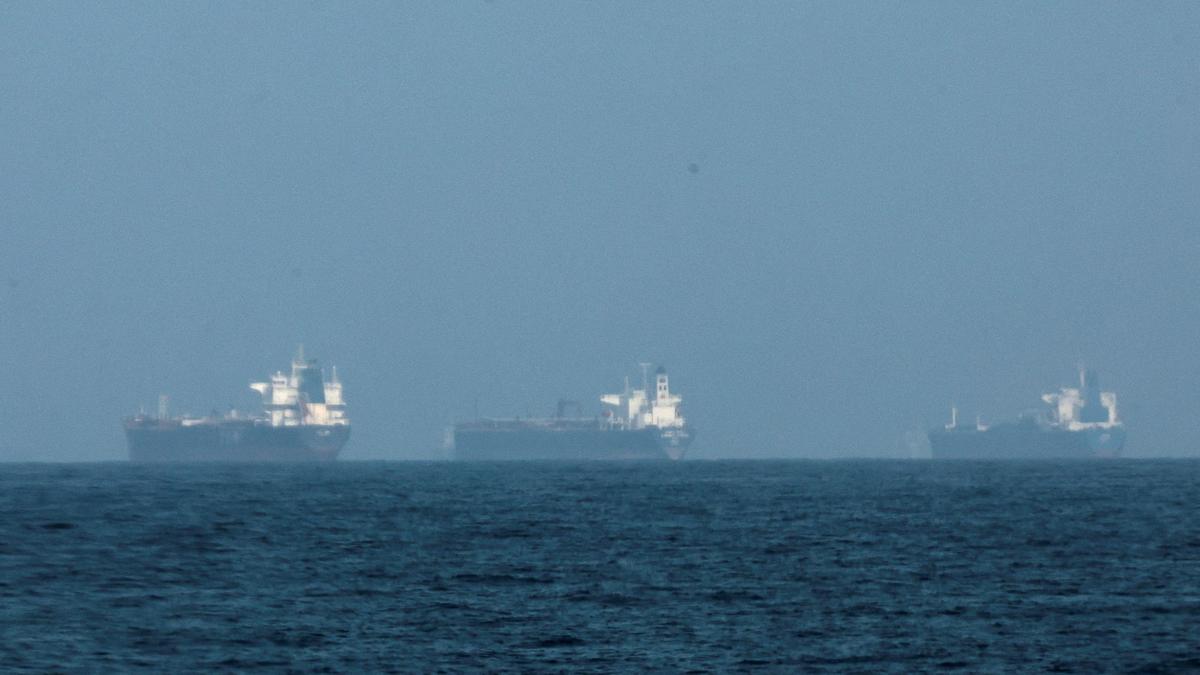
The physical security of energy routes is the new frontline. The Red Sea crisis has demonstrated that non-state actors with relatively cheap drone technology can disrupt the flow of millions of barrels of oil. For Indian refiners, the necessity of rerouting ships around the Cape of Good Hope adds weeks to transit times and adds roughly $1 million in additional freight costs per voyage.
These costs are not being fully passed on to the consumer yet, but they are hollowing out the balance sheets of state-run Oil Marketing Companies (OMCs). The government faces a brutal choice: allow fuel prices to rise and risk political backlash and inflation, or force OMCs to absorb the losses, which drains the capital needed for future refinery upgrades and green energy transitions.
We are seeing a desperate scramble to diversify. India is looking toward Brazil, Guyana, and even a renewed engagement with Venezuela to hedge against Middle Eastern volatility. However, the geography of oil is stubborn. The Middle East remains the most logical and cost-effective source due to its proximity. Diversification sounds good in a policy paper, but in practice, it means higher shipping costs and adapting refineries to process different grades of crude that they weren't originally designed for.
The Myth of Energy Independence
The official rhetoric often leans on the promise of green hydrogen and renewable energy as the ultimate solution to this import stress. While the ambition is laudable, the timeline is disconnected from the current reality. Solar and wind cannot fuel a heavy trucking fleet or provide the feedstock for the massive petrochemical complexes that drive Indian manufacturing.
The transition is a decades-long marathon, but the energy crisis is a sprint happening right now. The massive capital expenditure required to build out a renewable grid is being siphoned off to pay for the current oil bill. This is the paradox of India’s energy position: the more it pays for the fossil fuels of today, the less it has to invest in the alternatives of tomorrow.
Strategic Petroleum Reserves (SPR) were supposed to be the cushion. However, India's current SPR capacity can only cover about nine days of demand. Compare this to the 90-day cushion maintained by many IEA nations, and the fragility of the Indian system becomes stark. Efforts to expand these reserves have been slow, hampered by land acquisition issues and the sheer cost of filling the tanks when prices are high.
The Geopolitical Cost of Neutrality
India’s "strategic autonomy" is being tested as never before. By maintaining trade ties with Russia while deepening security ties with the West, New Delhi is walking a razor-thin wire. To date, this has worked. However, energy is increasingly being used as a hard-power lever. If the conflict in the Middle East escalates to include direct Iranian involvement, the primary source of India’s energy will be in a literal crossfire.
In such a scenario, no amount of discounted Russian oil can save the Indian economy. The dependency is too deep. The shipping lanes are too narrow. The financial reserves are too thin.
The government must stop treating energy procurement as a series of tactical trades and start treating it as a permanent state of economic warfare. This means aggressive investment in domestic exploration, even in deep-water blocks that were previously deemed too expensive. It means forced efficiency mandates across the industrial sector. Most importantly, it requires a cold-blooded assessment of the fact that the era of stable, predictable energy markets is over.
India must build its own "Iron Dome" of energy security, consisting of vastly expanded storage, a sovereign tanker fleet, and a diversified supply chain that isn't dependent on the whims of warring neighbors or the luck of a single shipping lane. Anything less is a gamble with the nation's sovereignty.