The global fuel trade is currently staring down the barrel of a logistical nightmare that goes far beyond the daily fluctuations of Brent crude. While the headlines focus on the 10% surge in oil prices following the U.S.-Israeli strikes on Tehran, the real crisis is a structural fracturing of how the world moves energy. On February 28, 2026, the calculated strikes against Iranian leadership and military assets transformed the Strait of Hormuz from a vital artery into a dead zone. This isn't just about lost Iranian barrels; it is about the physical and financial impossibility of moving 20 million barrels of oil per day through a 21-mile-wide shooting gallery.
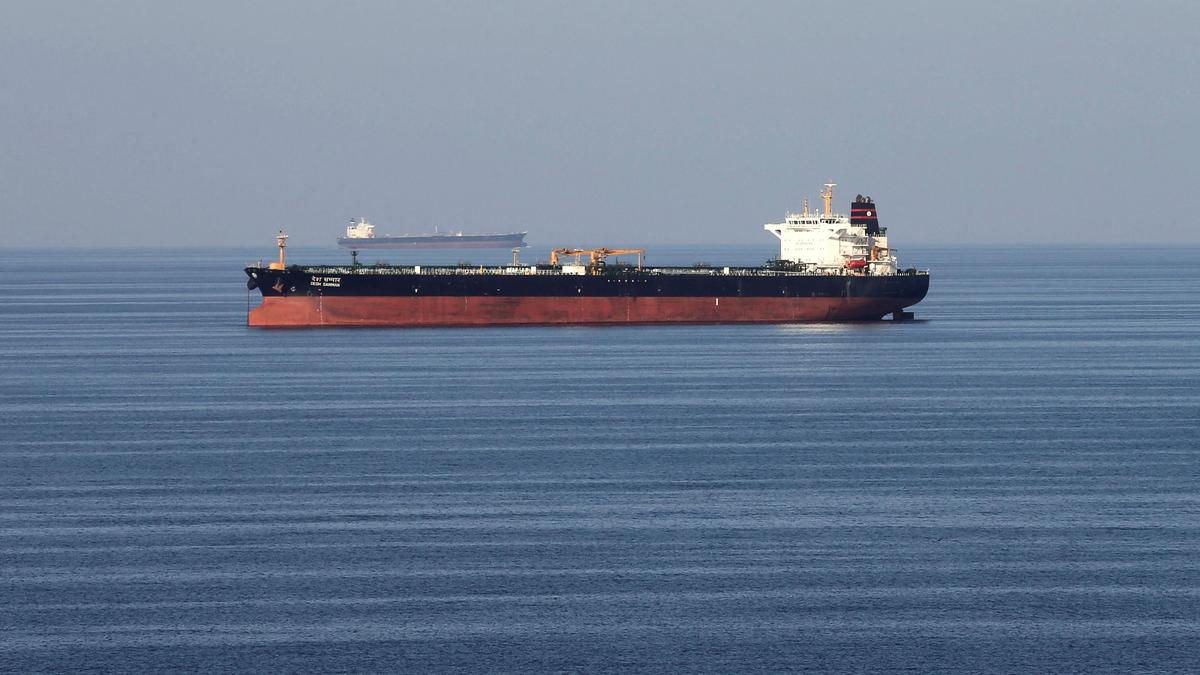
For decades, the "Hormuz Premium" was a theoretical exercise for analysts. Today, it is a line item on shipping manifests. As of March 4, 2026, the effective closure of the Strait by the Islamic Revolutionary Guard Corps (IRGC) has marooned nearly 150 tankers. Brent crude has already touched $83, but the price of the commodity is secondary to the price of the risk. War-risk insurance premiums for the Persian Gulf have essentially vanished, replaced by "case-by-case" quotes that make transit economically ruinous for all but the most desperate operators.
The Myth of Spare Capacity
Whenever a Middle Eastern conflict erupts, the standard industry refrain is that OPEC+ spare capacity will save the day. This logic is fundamentally flawed in the current context. Saudi Arabia and the UAE do indeed hold approximately 3.5 million barrels per day in reserve. However, oil in a well is useless if it cannot reach a terminal.
The Saudi East-West Pipeline, often cited as the ultimate insurance policy, can only handle around 5 million barrels per day. Even if run at maximum pressure, it cannot compensate for the 20 million barrels—roughly 20% of global consumption—that typically pass through Hormuz. We are seeing a physical bottleneck that no amount of diplomacy or production hikes can bypass.
The situation is further complicated by the targeting of regional infrastructure. Unlike previous "tanker wars" which focused on ships, the current escalation has seen retaliatory strikes hit data centers, desalination plants, and secondary ports across the Gulf Cooperation Council (GCC) states. This is a systematic attempt to degrade the entire logistics ecosystem of the Middle East, not just the oil flow.
China's Silent Emergency
While Washington and Jerusalem coordinate military maneuvers, the most significant economic casualty may be Beijing. China has spent the last year doubling down on Iranian crude, which accounted for over 90% of Iran’s exports in 2025. By purchasing "sanctioned" oil at deep discounts, Chinese refiners maintained healthy margins while the rest of the world grappled with inflation.
That era is over. The strikes have effectively neutralized Iran’s primary export hub at Kharg Island. Chinese refiners are now being forced into the open market, competing for Atlantic Basin and West African grades. This sudden pivot is driving a "bidding war" that is pushing prices higher for everyone. If the disruption lasts beyond 21 days, China’s strategic reserves—estimated at 415 million barrels—will begin to deplete at a rate that threatens its industrial output.
The Hidden Impact on Natural Gas
While oil dominates the news, the liquefied natural gas (LNG) market is arguably in worse shape.
- Qatar's Suspension: Qatar, a global leader in LNG, has suspended production and shipments due to the proximity of the conflict.
- European Vulnerability: European gas inventories were already sitting at a precarious 30% of capacity.
- The Price Shock: Dutch TTF gas futures jumped 30% in a single day, reaching a three-year high.
For Europe, this is a 2022-style energy shock without the 2022 timeframe to prepare. The Japan/Korea Marker (JKM) has also spiked, as Asian buyers realize that the seaborne gas they rely on is trapped behind a wall of Iranian missiles.
The Insurance Evacuation
The most telling sign of a systemic breakdown isn't the price of a barrel, but the exodus of maritime insurers. On March 5, major clubs including Gard, Skuld, and the London P&I Club are set to cancel war risk cover for the Gulf region.
Shipping is a game of margins and liability. Without insurance, a $150 million Suezmax tanker becomes an unmanageable liability. Even the "dark fleet"—the loosely regulated tankers that Iran uses to bypass sanctions—is struggling. Reports from the region indicate that the IRGC has begun seizing or harassing even non-aligned commercial vessels to enforce their "closure" of the waterway.
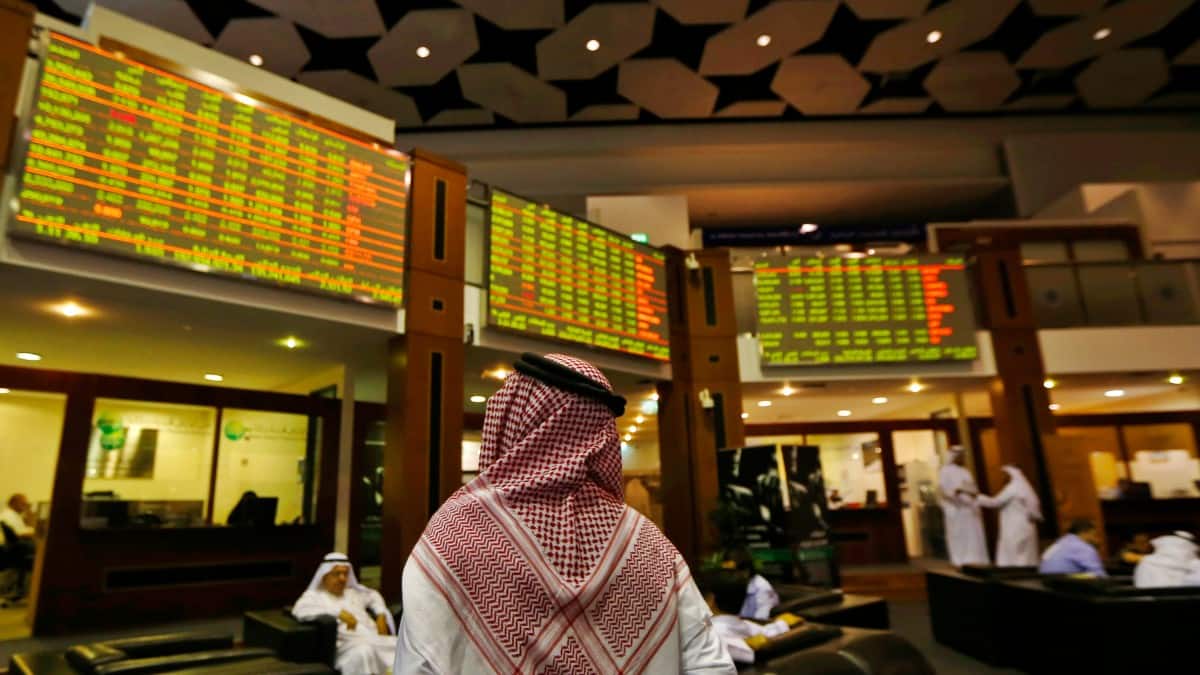
The result is a logistical "sidecar" effect. When the Korea Exchange or the Nikkei halts trading due to volatility, it’s a reaction to the realization that the world’s most important energy corridor is now a contested military zone. We are no longer talking about a temporary supply dip; we are talking about a reconfiguration of global trade routes.
The End of the Strategic Reserve Era
The U.S. response will likely involve another release from the Strategic Petroleum Reserve (SPR). However, the SPR is currently at its lowest level in decades. Using it now is a gamble of historic proportions. If the U.S. drains its remaining 415 million barrels to suppress prices during a two-week spike, it leaves itself defenseless if the conflict expands into a six-month regional war.
The hard truth is that the global energy market has been built on the assumption of a stable, navigable Persian Gulf. That assumption died on February 28. Even if a ceasefire were signed tomorrow, the "trust deficit" would keep insurance premiums high and tanker traffic low for months.
We are moving into a period where energy security will be defined by geography rather than geology. Countries with direct pipeline access to Atlantic or Pacific terminals will thrive; those dependent on the narrow straits of the Middle East will face a permanent inflationary tax. The "Hormuz Chokehold" is no longer a threat—it is the new reality of the global fuel trade.
I can provide a deep-dive analysis into the specific tankers currently stalled in the Gulf of Oman if you want to see which global refineries are most at risk of an immediate supply cutoff.