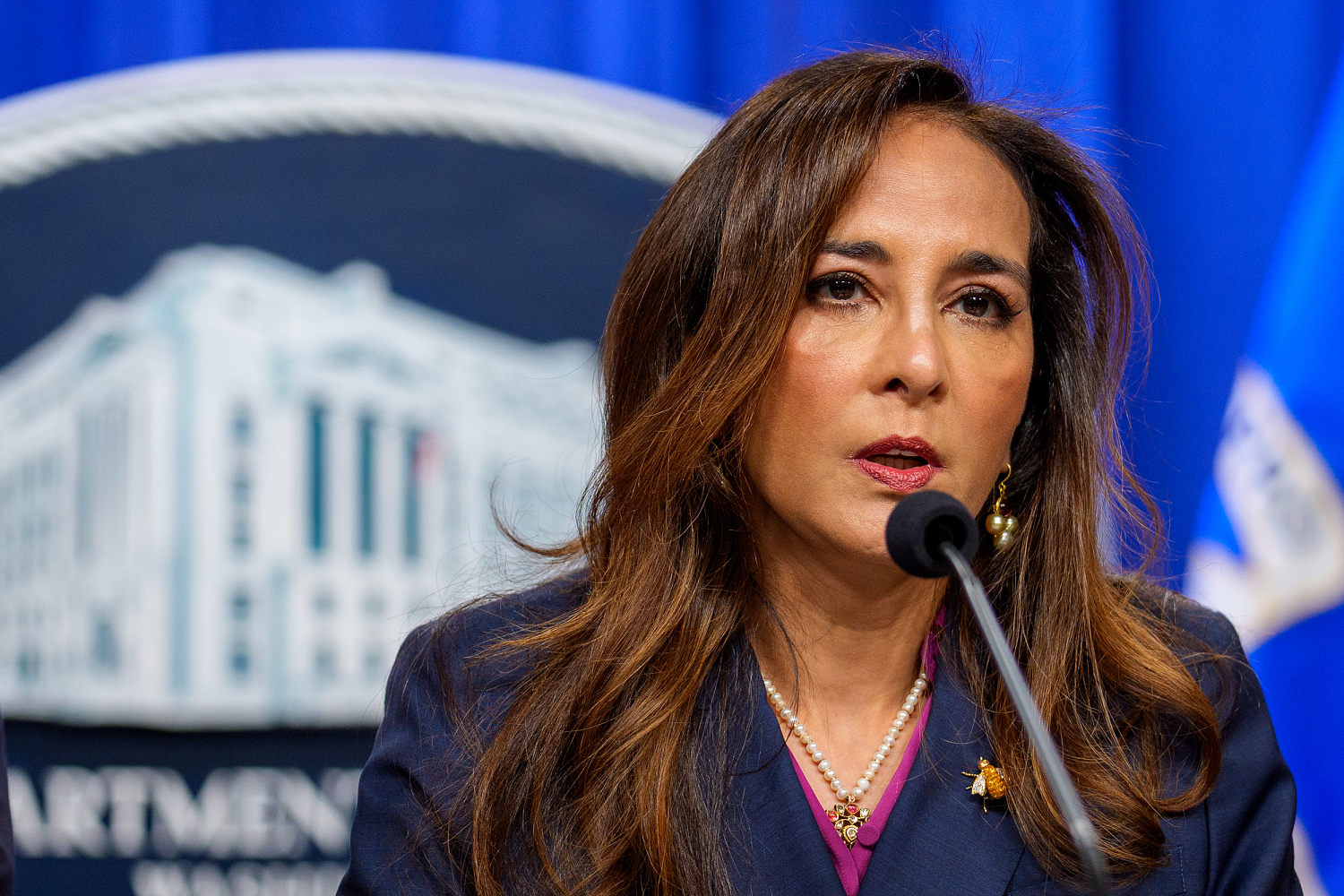
Social media is usually for vacation photos or dinner plates, but for Harmeet Dhillon, it became the accidental staging ground for a federal bombshell. Dhillon, currently leading the Civil Rights Division at the Department of Justice, posted a "day in the life" style photo that did a lot more than just show off her desk. It effectively outed a high-stakes federal investigation into The Ohio State University (OSU) before the department was ready to go public.
The slip-up happened on Wednesday, March 25, 2026. Dhillon shared a photo of herself holding a pen over a stack of official documents with the caption, "Launching a series of civil rights investigations. Another day in paradise!" While the caption was breezy, the contents of the letter she was signing were anything but. Despite the document being partially obscured, eagle-eyed observers quickly identified that the DOJ is officially coming for the Ohio State University College of Medicine.
The leak that launched a thousand questions
This wasn't just a generic letter. The photo clearly showed language referencing Title VI of the Civil Rights Act of 1964. For those who aren't legal nerds, Title VI is the big one—it's the law that prohibits discrimination based on race, color, or national origin in any program receiving federal financial assistance.
Basically, if you take government money (which every major medical school does), you have to play by these rules. The leaked letter explicitly stated that the university is expected to "cooperate fully" with the Justice Department. It’s a formal shot across the bow that usually stays behind closed doors until investigators have their ducks in a row.
By posting this, the DOJ didn't just tip its hand; it gave OSU a massive head start on the narrative. Usually, when the feds show up, they want the element of surprise or at least a controlled announcement. Now, they're dealing with a "slapstick" PR mess.
What is the DOJ actually looking for at OSU
The core of this investigation centers on the Ohio State College of Medicine's admissions process. The DOJ is digging into whether the school has been using race-conscious metrics that cross the line into illegal discrimination.
Specifically, the feds have requested:
- Admissions data from 2019 through 2026: They want everything—GPA, standardized test scores, extracurriculars, and the demographics of every applicant.
- Internal policy documents: Any guidelines or "hidden" memos that explain how the school chooses who gets in and who gets rejected.
- Digital footprints: Essays and internal communications related to the evaluation of applicants.
The Department is essentially looking for evidence of "anti-white" discrimination or what they view as illegal DEI (Diversity, Equity, and Inclusion) practices that violate recent Supreme Court precedents. It's a aggressive move that fits the current administration's broader goal of dismantling race-based preferences in higher education.
Ohio State's defensive posture
OSU didn't wait long to fire back. By Thursday, a university spokesperson was already in damage-control mode, claiming the school is "fully compliant with all state and federal regulations."
They’re in a tough spot. On one hand, they have to defend their admissions integrity. On the other, they're dealing with Ohio’s own Senate Bill 1, which already limits how they can handle DEI. The university has already shuttered its Office of Diversity and Inclusion to stay on the right side of state law. Now, they're being squeezed from the top by a federal DOJ that seems eager to make an example out of them.
Why the "Paradise" caption matters
The tone of Dhillon’s post is perhaps the most jarring part for legal experts. Calling a federal civil rights probe "another day in paradise" treats a serious government action like a lifestyle brand update. It blurs the line between official law enforcement and social media influence.
When a top DOJ official treats a Title VI investigation—which could lead to the termination of federal funding—as casual "content," it raises questions about the impartiality of the process. Is this a legitimate legal inquiry or a political performance for a social media audience?
The stakes for medical education
If the DOJ finds that OSU violated Title VI, the consequences are nuclear. We’re talking about:
- Loss of Federal Funding: This would effectively bankrupt the medical school.
- Mandatory Policy Overhauls: The feds could dictate exactly how the school handles its next decade of admissions.
- Civil Litigation: A finding of discrimination opens the door for thousands of rejected applicants to sue the university.
This isn't just about Ohio State. This is a warning to every medical school in the country. The DOJ is signaling that they are actively monitoring admissions cycles and that they aren't afraid to use "unorthodox" methods (like social media) to broadcast their intent.
The takeaway for the rest of us
The DOJ’s "accidental" leak tells us two things. First, the current administration is moving fast on its promise to scrutinize university admissions. Second, the wall between government operations and social media has completely collapsed.
If you're an administrator at a public university, you're likely scrubbing your internal emails today. If you're a student or a parent, you're seeing the beginning of a massive shift in how "merit" is defined in 2026.
Keep an eye on the official DOJ press releases—or, apparently, Harmeet Dhillon’s Instagram feed—because this is only the first of several investigations expected to roll out this spring. If you want to stay ahead of this, you should look into how Senate Bill 1 is already reshaping Ohio's campus landscape, as it provides the roadmap for what these federal investigators are looking to exploit.