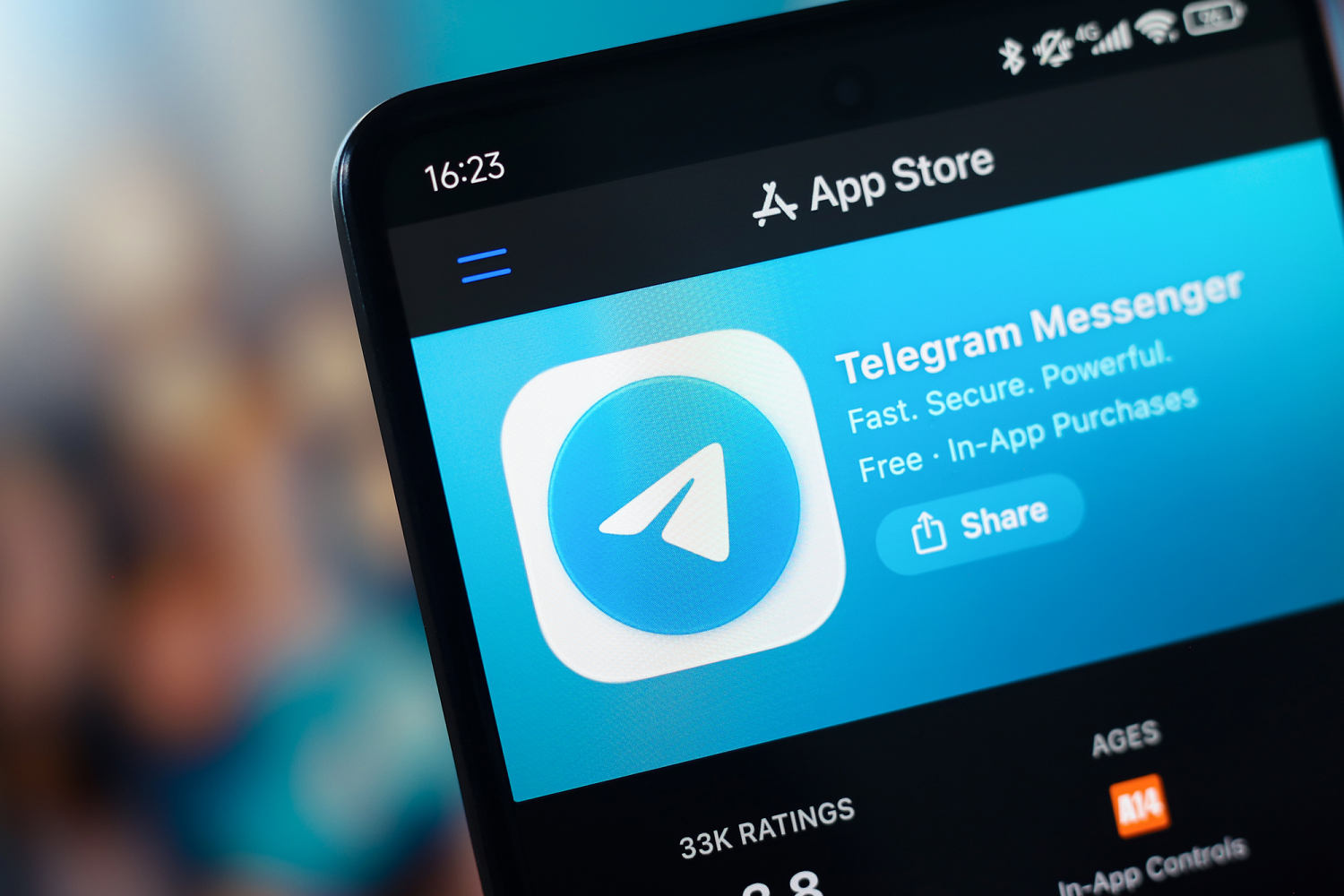
A thumb hovers over a blue circular icon. Outside a window in Yekaterinburg, the slush of early March turns to ice. Inside, the screen glows. This is Telegram. For a generation of Russians, it is not just a messaging app; it is the town square, the underground press, the marketplace, and the family dinner table all compressed into a few megabytes of code. But the signal is flickering. The messages are hanging in a perpetual state of "connecting."
The Russian state is currently engaged in a quiet, methodical strangulation of its most popular digital lifeline. This is not the loud, clumsy ban of 2018 that failed so spectacularly. This is a technical siege. It is a slow tightening of the noose around a platform that has become too powerful to ignore and too dangerous to let live.
The ghost in the machine
Consider a hypothetical student named Artyom. Artyom doesn’t read the state-sanctioned newspapers, and he stopped watching television years ago. His entire reality is filtered through Telegram channels. He follows war correspondents, local grocery discount bots, and encrypted chats with his cousins in Tbilisi. When the Kremlin decides to throttle this connection, they aren't just blocking an app. They are blinding Artyom.
In the past, the Russian media regulator, Roskomnadzor, tried to block Telegram by blacklisting IP addresses. It was like trying to stop a flood with a chain-link fence. Telegram simply hopped from one server to another, dancing through the infrastructure of Amazon and Google. The Kremlin looked foolish. The app’s founder, Pavel Durov, became a digital folk hero, even tossing paper planes made of banknotes from his office window in St. Petersburg to mock the authorities.
That era of romantic resistance is over.
The state has learned. Instead of chasing IP addresses, they have installed "Technical Means of Countering Threats" (TSPU) directly into the hardware of internet service providers. Imagine these as specialized filters installed on the very pipes that bring water to your house. The government no longer needs to ask the water company to turn off the valve. They can simply turn a dial themselves, making the water come out as a useless, muddy trickle.
The architecture of a slow death
The technical reality is a game of friction. By using Deep Packet Inspection (DPI), the authorities can identify the specific signature of Telegram’s data. They don't have to shut it down entirely—not yet. Total blackouts cause riots. Instead, they make the experience miserable.
Photos take minutes to load. Videos buffer indefinitely. Voice calls drop after three seconds of jittery silence.
The goal is psychological attrition. They want the user to grow frustrated. They want the user to migrate "voluntarily" to VK or other state-aligned platforms where the walls have ears and the data is served on a silver platter to the security services. It is a transition from the wild, encrypted frontier to a digital panopticon.
Statistics suggest that Telegram boasts over 80 million monthly users in Russia. That is more than half the population. It is the infrastructure of daily life. When the state attacks this, they are attacking the logistics of the nation. Small businesses run their entire customer service through Telegram bots. Volunteer organizations coordinate medical supplies. Even government officials use it to leak information to one another.
The irony is thick enough to choke on. The very tool the Kremlin uses for its own propaganda—the "Z-channels" and the official ministry accounts—is the tool they are now dismantling. It is a scorched-earth policy applied to the digital realm.
Why now?
The stakes have shifted. In a time of prolonged conflict and internal tightening, information is the only currency that matters. Telegram’s refusal to hand over encryption keys has moved from a nuisance to an existential threat for the Russian security apparatus. They see a space they cannot see into, and that produces a specific kind of bureaucratic terror.
There is a metaphor often used in Moscow circles: the "Sovereign Internet." It is the dream of a digital Great Wall, a Russian web that can be disconnected from the global backbone at the flip of a switch. Telegram is the primary obstacle to this dream. It is too global, too slippery, and too stubbornly independent.
But the human cost of this "sovereignty" is a profound isolation.
When the connection fails, the silence is heavy. For a Russian mother trying to reach her son abroad, that spinning loading icon is a physical weight in her chest. For the activist trying to document a protest, it is the sound of a door locking from the outside. The state is betting that people will prioritize convenience over privacy. They are betting that if they make the "free" world slow enough, people will settle for the "safe" world of the cage.
The flickering light
Is it working? The data shows a mixed picture. VPN usage in Russia has skyrocketed, turning ordinary citizens into amateur network engineers overnight. People are learning how to bridge, how to tunnel, and how to hide. But a VPN is an extra step. It is a tax on time and mental energy.
Every time the state tinkers with the TSPU filters, a few more million users drop off. They get tired of the struggle. They go back to the platforms where the videos play instantly, even if those platforms are reporting their every keystroke to a building in Lubyanka Square.
This is the invisible war. There are no explosions, only timed-out requests. There are no soldiers, only engineers tweaking algorithms in windowless rooms.
Yet the impact is just as permanent. To kill Telegram in Russia is to lobotomize the nation’s collective consciousness. It is an attempt to return to a time when information traveled at the speed of a government-stamped envelope.
The thumb hovers. The icon remains. But the vibrant, chaotic, loud world behind that blue circle is being pushed further and further into the shadows. The screen dims to save power. The room stays cold. The silence of the machine is the loudest sound in the city.