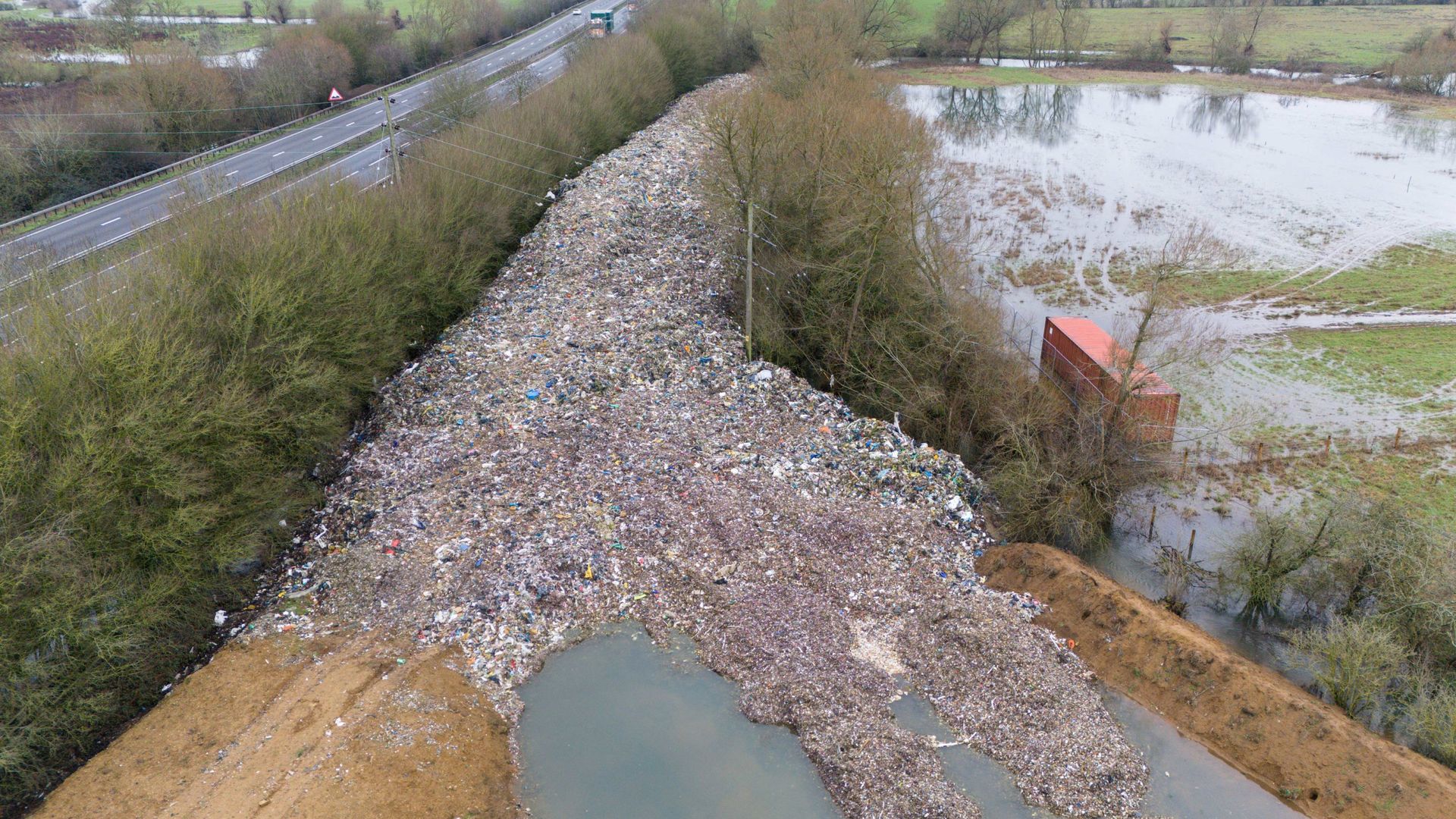
The sight of a stained mattress or a pile of construction rubble dumped in a country lane isn't just an eyesore. It’s a middle finger to the community. For years, local authorities across the UK have been playing a high-stakes game of whack-a-mole with illegal dumpers, and frankly, they’re losing. The Local Government Association (LGA) recently made it clear that the current system is broken. While councils spend millions cleaning up after criminals, the courts are often letting offenders off with nothing more than a polite cough and a small fine.
It costs taxpayers roughly £60 million a year to clear up large-scale fly-tipping. That’s money that should be fixing potholes, funding libraries, or supporting social care. Instead, it’s being shoveled into the back of trucks to haul away someone else's greed. The real kicker? Even when a council manages to catch a culprit—which requires expensive CCTV, private investigators, and hours of legal legwork—the resulting fine often doesn't even cover the cost of the prosecution.
The Massive Gap Between Cost and Punishment
We need to talk about the math because it doesn't add up. Under current guidelines, fly-tipping can technically lead to unlimited fines or even five years in prison. That sounds tough on paper. In reality, the average court fine for fly-tipping sits around £400 to £500. If you’re a rogue builder saving £300 in commercial skip fees by dumping your waste in a park, a £400 fine is just a "cost of doing business." It isn't a deterrent. It’s a transaction.
The LGA is pushing for a total overhaul of how magistrates approach these cases. They want the starting point for fines to be much higher, reflecting the actual damage done to the environment and the public purse. When a court hands down a low fine, it sends a message that environmental crime isn't serious. It tells the community that their local spaces don't matter.
Most people don't realize that councils have different "levels" of enforcement. They can issue Fixed Penalty Notices (FPNs) for smaller offenses. The government recently raised the upper limit for these on-the-spot fines to £1,000. That’s a start. But for the professional "man with a van" who dumps three tons of asbestos-riddled debris in a forest, an FPN is a joke. These cases have to go to court, and that’s where the system hits a brick wall.
Why Magistrates Keep Going Easy
You might wonder why judges aren't already throwing the book at these people. It usually comes down to sentencing guidelines that prioritize the "ability to pay." If a fly-tipper claims they have no assets or low income, the fine gets squeezed down. Councils argue that this is short-sighted. If someone has a vehicle capable of hauling a ton of waste, they have an asset that can be seized.
There’s also a lack of consistency. One council might see a result that covers their legal fees, while a neighboring borough gets nothing. This postcode lottery makes it hard for waste enforcement teams to justify the expense of long-term surveillance. Why spend £5,000 on a sting operation if the court only orders the criminal to pay £200?
The Hidden Impact on Your Council Tax
Every time you see a "fly-tipping hotspot," you’re looking at a drain on your own pocket. Local authorities are already stripped to the bone. When they have to divert a crew to clear a blocked road, other services suffer. It's a domino effect.
The problem has worsened as the "side hustle" economy grew. Social media is flooded with ads for "cheap rubbish removal." Many of these operators aren't licensed waste carriers. They take your £50, drive around the corner, and dump your old sofa in a ditch. The homeowner is technically liable too, but the real villains are the operators making a tax-free living off environmental destruction.
Councils want the power to seize vehicles more easily and see those vehicles crushed or sold to fund enforcement. They want the "polluter pays" principle to actually mean something. Right now, the taxpayer pays, and the polluter walks away with a grin.
How to Actually Solve the Problem
Higher fines are only one piece of the puzzle. We also need to make it harder for the "cowboys" to operate. This means better regulation of online marketplaces where these services are advertised. If a platform hosts an ad for waste removal, they should be required to verify the provider’s waste carrier license.
You can protect yourself and your neighborhood by doing a few simple things. Never hire a waste remover who only accepts cash and won't show you a license. Check the Environment Agency’s register. It takes two minutes. If the price seems too good to be true, your rubbish is probably going to end up in a field.
Pressure needs to stay on the Sentencing Council. They’re the body that sets the rules for judges. Until they move fly-tipping into a higher category of "seriousness," we’re going to keep seeing these pathetic fines.
If you want to see a change in your local area, report every instance through the official channels. Use apps like Love Clean Streets or your council's website. Data is the only weapon councils have to prove where the hotspots are and lobby for more funding. Keep the pressure on your local MP to support the LGA’s calls for tougher sentencing. We can't keep letting our green spaces be treated like free landfills. Change starts with making the punishment actually fit the crime.