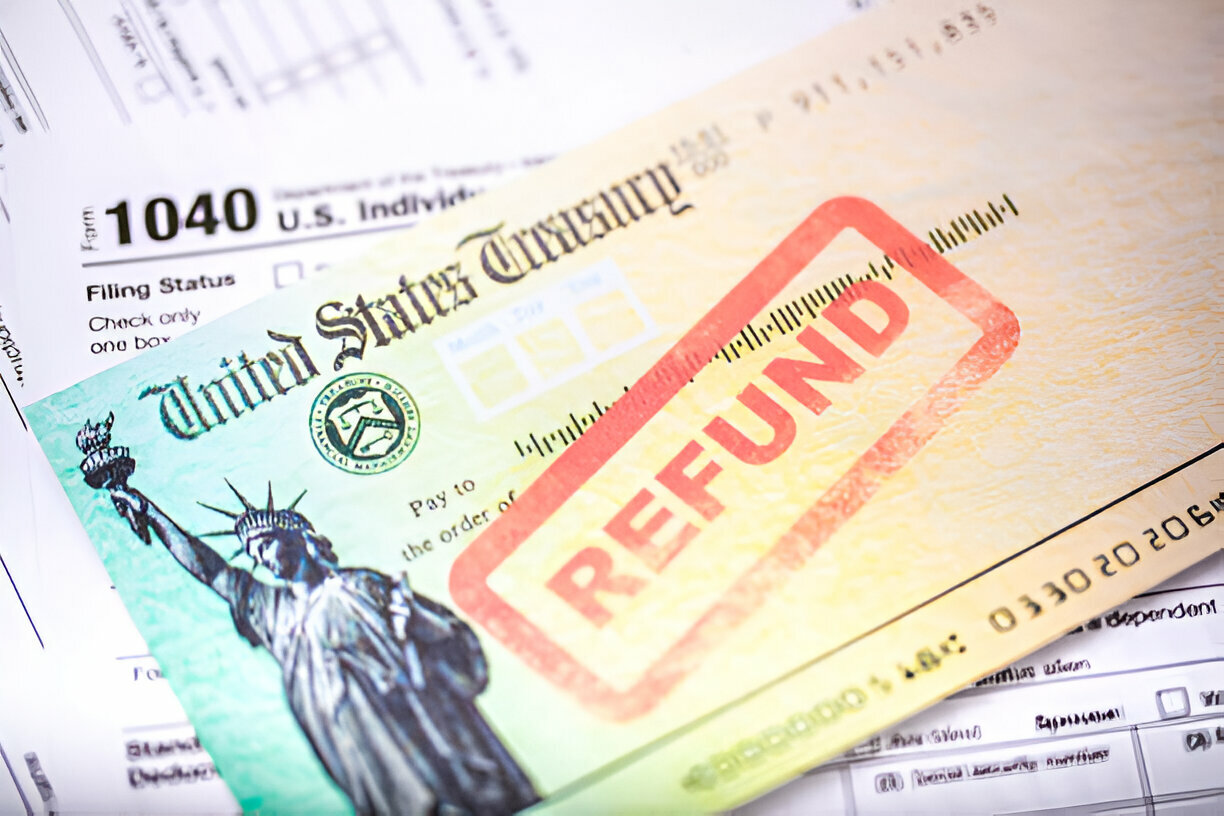
The Supreme Court’s February 20, 2026, ruling in Learning Resources, Inc. v. Trump has fundamentally restructured the risk profile of American trade policy. By a 6-3 margin, the Court established that the International Emergency Economic Powers Act (IEEPA) of 1977 does not grant the Executive Branch the authority to impose revenue-raising tariffs. This decision did not merely invalidate specific duties; it reasserted the "Taxing Power" of Article I, Section 8, as an exclusive Congressional prerogative.
The immediate result is a $175 billion liability for the U.S. Treasury and a forced pivot by the administration toward Section 122 of the Trade Act of 1974. For corporate treasurers and supply chain strategists, the era of "Emergency Trade" has been replaced by a "Procedural Trade" era, where the speed of execution is constrained by statutory timelines and judicial oversight.
The Tri-Lens Analysis of Executive Authority
To understand the current trade environment, one must categorize presidential power into three distinct legal silos, each with a different velocity and durability.
- Delegated Regulatory Power (Section 301 & 232): These remain intact. Section 232 (National Security) and Section 301 (Unfair Trade Practices) require formal investigations by the Department of Commerce or the USTR. They are slow but legally resilient.
- The Invalidated Emergency Power (IEEPA): This was the administration’s preferred tool for "Liberation Day" tariffs because it allowed for immediate, unilateral action without a 150-day clock or an investigative phase. The Court has now sealed this door, ruling that the power to "regulate" importation does not include the power to "tax" it.
- The Temporary Bridge (Section 122): This allows for a 15% global import surcharge for 150 days to address balance-of-payment deficits. It is the administration’s current fallback, but it carries a hard expiration date unless Congress provides an explicit extension.
The Cost Function of the $175 Billion Refund Liability
The Court's decision creates a massive fiscal and operational overhang. Over 1,400 companies, including FedEx, Costco, and Goodyear, have filed protective claims. The mechanism of recovery, however, is not a simple automated credit.
The Liquidation Bottleneck
Tariffs are paid by the "Importer of Record." Under U.S. Customs and Border Protection (CBP) rules, entries "liquidate" (become final) typically within 314 days of entry.
- Unliquidated Entries: These are the most straightforward for refunds. Since the underlying authority was ruled unconstitutional, CBP must theoretically cease collection and process refunds.
- Liquidated Entries: For duties already finalized, companies must have filed "protests" or active litigation in the Court of International Trade (CIT) to preserve their rights. Firms that failed to audit their entries in 2025 and file timely protests have effectively lost their claim to these funds, regardless of the Supreme Court ruling.
The Margin vs. Price Disconnect
A common fallacy is that these refunds will directly lower consumer prices. In reality, the refund flows to the corporate balance sheet, not the consumer. Most retailers already adjusted "shelf prices" in 2025 to reflect the 15-25% IEEPA duties. Because price decreases are "sticky"—and because the replacement Section 122 surcharge of 15% effectively maintains the cost floor—the primary effect of the ruling is a margin recovery for importers rather than a deflationary event for consumers.
Strategic Re-Alignment: Winners and Losers under Section 122
The shift from targeted IEEPA tariffs to a blanket Section 122 surcharge has created an immediate shift in trade-weighted exposure.
| Region | IEEPA Era Burden | Section 122 Burden | Delta |
|---|---|---|---|
| China | 22.1% | 15.0% | -7.1% |
| Brazil | 28.6% | 15.0% | -13.6% |
| United Kingdom | 12.9% | 15.0% | +2.1% |
| Italy | 13.3% | 15.0% | +1.7% |
The administration's previous "Reciprocal Tariff" strategy was surgical, targeting specific nations with high duties. The Section 122 surcharge is blunt and nondiscriminatory. This creates a perverse incentive: adversarial nations like China and Brazil see an effective tariff cut, while traditional allies like the UK and Japan, who previously enjoyed lower rates, face an increase to the 15% floor.
The 150-Day Strategic Window
The Section 122 tariffs expire in late July 2026. This creates a high-pressure environment for two specific groups:
1. Congressional Leadership
The administration must now secure a majority vote in both chambers to extend the surcharge. If the Senate filibusters, the tariffs lapse. This forces a return to the legislative process, making trade a central issue for the 2026 midterm elections. Strategists should expect "pork-barrel" trade policy, where specific industries are granted exemptions in exchange for the votes required to pass an extension.
2. Supply Chain Officers
The "just-in-time" model is incompatible with a 150-day policy horizon. Inventory managers must decide whether to:
- Pull Forward Shipments: Accelerate imports before the July expiration to capitalize on the 15% rate if they fear a more aggressive, permanent Section 301 investigation is looming.
- Delay Shipments: If they believe Congress will let the tariffs lapse, they will minimize inventory in June to avoid paying the surcharge on goods that could be duty-free in August.
Forecasting the Regulatory Response
The administration is already laying the groundwork for Section 301 and Section 232 investigations into semiconductors, pharmaceuticals, and industrial machinery. These "Sectoral Tariffs" are the only legal path left for long-term protectionism.
The "Major Questions Doctrine," cited by the Court, suggests that any future attempt to use broad, vague statutes for economic upheaval will be met with similar judicial hostility. The era of the "Executive Trade War" has hit its constitutional ceiling. Future trade actions will be characterized by narrower scopes, longer lead times, and increased vulnerability to lobbying at the Congressional level.
Would you like me to conduct a sector-specific audit of the upcoming Section 301 investigations to identify which HTS codes are most at risk when the 150-day Section 122 window closes?

+-+Ai+Lean+Blog.png)