The recent exchange of heavy artillery and airstrikes along the Durand Line marks the end of a dangerous delusion. For years, the Pakistani security establishment bet on the idea that a Taliban-led Afghanistan would provide "strategic depth" and a friendly western flank. That bet has failed. Instead of a compliant proxy, Islamabad now faces a defiant, ideologically driven neighbor that refuses to recognize the border and provides a sanctuary for the very militants currently tearing through Pakistan’s internal security.
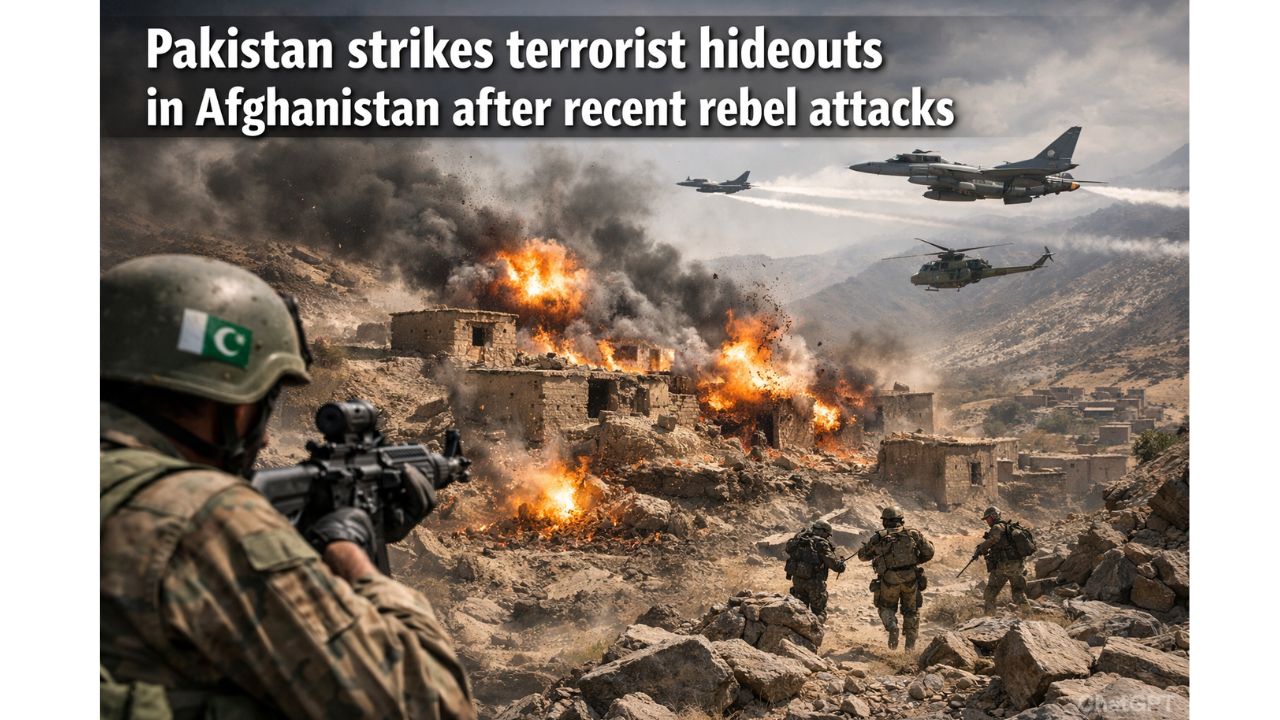
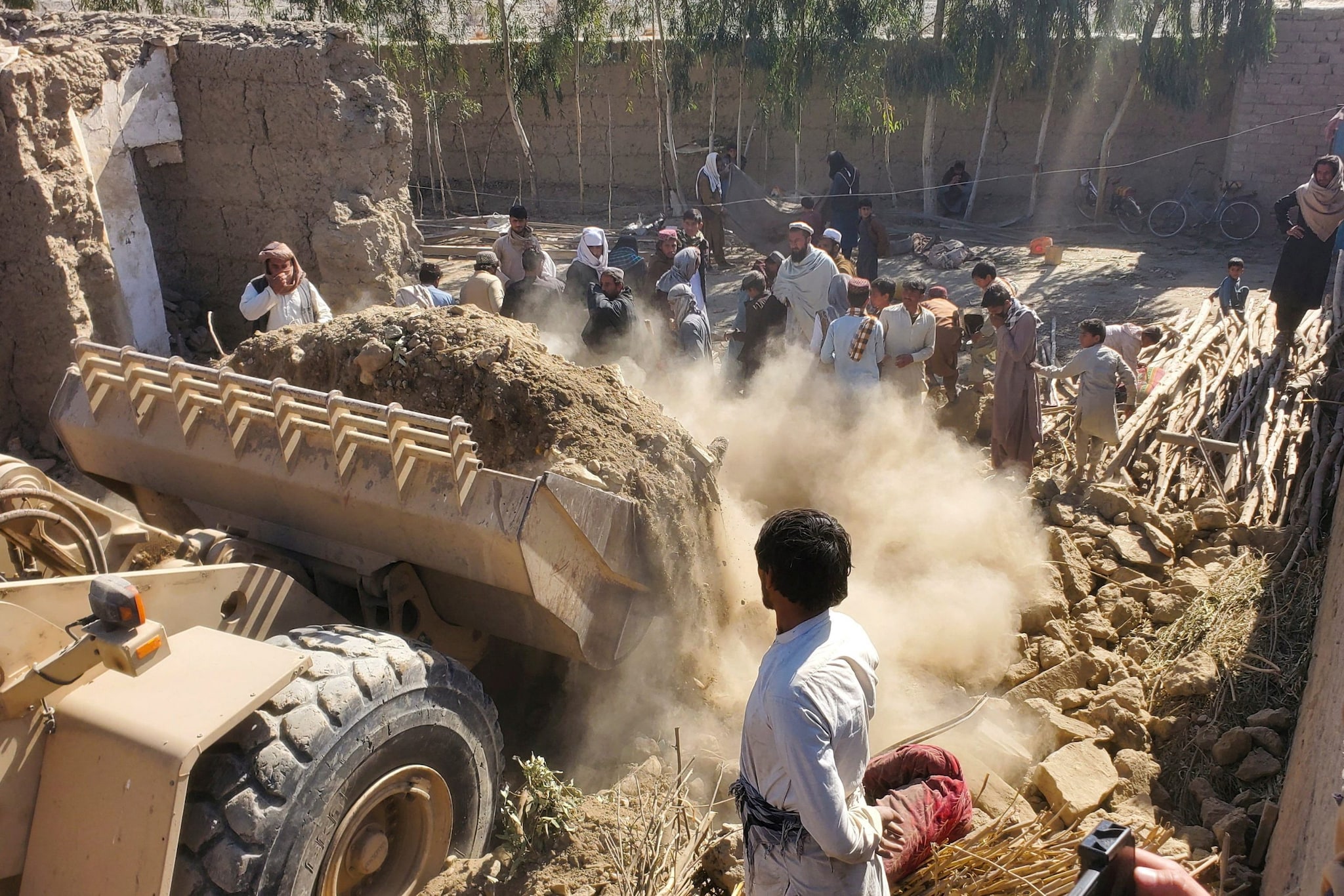
The escalation began when Pakistani jets struck targets inside Afghanistan’s Khost and Paktika provinces. Islamabad claimed it hit hideouts of the Tehrik-i-Taliban Pakistan (TTP), the group responsible for a surge in suicide bombings and police station raids within Pakistan. The Taliban government in Kabul responded not with an apology, but with heavy weapons fire directed at Pakistani border posts. This is no longer a localized skirmish between border guards. It is a fundamental breakdown of the most sensitive bilateral relationship in South Asia.
The Myth of the Strategic Buffer
Islamabad’s decades-long policy of supporting the Taliban was built on the premise that an Islamist government in Kabul would prioritize religious solidarity over Pashtun nationalism. History suggests otherwise. The Taliban have always been Afghan nationalists at heart, and their refusal to accept the 2,640-kilometer Durand Line as a formal international border is a point of pride that transcends their internal politics.
By treating the border as an imaginary line, the Taliban allow the TTP to operate in a gray zone. These fighters share the same ideological DNA as the Afghan Taliban; they fought together against the Americans for twenty years. Expecting the Kabul government to suddenly arrest or deport their former brothers-in-arms was always a naive expectation.
The TTP has used this sanctuary to rebuild. Since the fall of Kabul in 2021, the group has transitioned from a fractured collection of cells into a unified insurgent force equipped with leftover American hardware. They are no longer just hiding in the mountains; they are launching sophisticated, multi-pronged attacks on Pakistani soil.
Weapons of the Abandoned War
One factor rarely discussed in mainstream reports is the role of abandoned Western military equipment in this specific conflict. When the U.S. withdrew, it left behind billions in night-vision goggles, thermal optics, and M4 carbines. This equipment has flooded the black markets of the border regions.
The TTP now possesses "overmatch" capabilities in night fighting. While the average Pakistani frontier policeman might be relying on aging hardware and limited ammunition, the militants attacking their outposts often have better optics and more modern small arms. This technological shift has turned what used to be hit-and-run harassment into a series of lethal engagements where the state is frequently on the defensive.
The airstrikes were a desperate attempt by Pakistan to level this playing field. By taking the fight into Afghan territory, the military high command is trying to send a message that the TTP's sanctuary is no longer a safe bet. However, the cost of this message is the complete alienation of the only government in Kabul they ever thought they could trust.
The Economic Price of a Closed Border
While the rockets fly, the economy bleeds. The Torkham and Chaman border crossings are the arteries of Central Asian trade. Every time a skirmish breaks out, these gates slam shut. Thousands of trucks carrying perishable goods—fruit, vegetables, and coal—rot in the sun.
For Pakistan, an economy already on the brink of collapse and reliant on IMF bailouts, this instability is a disaster. Trade with Afghanistan and beyond into Uzbekistan and Tajikistan is essential for regional relevance. For the Taliban, the border is a lifeline for customs revenue. Yet, both sides seem willing to sacrifice this economic oxygen for the sake of territorial signaling.
The humanitarian fallout is equally grim. Pakistan has begun a massive campaign to deport undocumented Afghans, citing security concerns. While the state has a right to regulate its borders, the blunt execution of these deportations has created a generation of enemies. Many of those being sent back are children who have never seen Afghanistan, now being dumped into a country where they have no roots and a government that cannot feed them. This is a ready-made recruitment pool for future insurgency.
A Failure of Intelligence and Diplomacy
The current crisis exposes a massive intelligence failure. The Pakistani establishment believed their influence over the Taliban leadership was absolute. They underestimated the "Man on the Ground" reality. While the senior leaders in Kabul might want to avoid a full-scale war with a nuclear-armed neighbor, the local commanders on the border are often autonomous and highly aggressive.
These local commanders view any Pakistani fortification or fencing as an act of aggression. They have been filmed tearing down barbed wire and mocking Pakistani soldiers. In these moments, the ideological bond of the past is irrelevant. It is about land, sovereignty, and the refusal to be dictated to by a "secular" military from the Punjab.
The Regional Power Vacuum
With the United States largely out of the picture, regional players like China and Iran are watching this border war with increasing alarm. China, in particular, has invested billions in the China-Pakistan Economic Corridor (CPEC). Beijing requires a stable Pakistan to see a return on that investment. If the western border remains a war zone, the security of Chinese personnel and infrastructure becomes impossible to guarantee.
Iran faces its own set of problems with the Taliban over water rights and border security. A multi-front border conflict for the Taliban might seem like a good thing for their enemies, but a destabilized Afghanistan eventually exports nothing but refugees and narcotics.
The Inevitability of More Strikes
We should not expect this to be a one-off event. Pakistan’s military doctrine has shifted toward "active defense." This means that as long as the TTP continues to kill Pakistani soldiers, the air force will continue to look for targets across the line.
The Taliban, for their part, cannot back down without losing face among their rank-and-file. If they appear weak against Pakistan, they risk losing fighters to more radical groups like ISIS-K, who are already waiting in the wings to claim the Taliban have become puppets of foreign powers.
This is the classic "blowback" scenario taught in intelligence schools, but played out with real lives and real ammunition. You cannot spend twenty years cultivating an insurgent movement and then expect it to behave like a Westphalian state the moment it takes power. The Taliban are behaving exactly like the movement they have always been. The only thing that has changed is Pakistan’s ability to manage them.
The Actionable Reality
If you are looking for a diplomatic solution, there isn't one on the immediate horizon. The trust is gone. Pakistan is currently fortifying its positions and preparing for a long-term low-intensity conflict that will drain its treasury and its morale.
The only way to break this cycle is a fundamental shift in how the border is managed, moving away from unilateral airstrikes and toward a multilateral regional security framework that includes China and Iran. Without collective pressure, the Taliban have no incentive to change their behavior. They have survived the Americans; they believe they can survive the Pakistanis.
You should watch the Chaman border crossing. It is the bellwether for this entire conflict. When the trade stops there, the guns start talking shortly after.
Check the latest reports on the "Pak-Afghan Border Trade Agreement" to see if any technical-level talks are surviving the political firestorm.