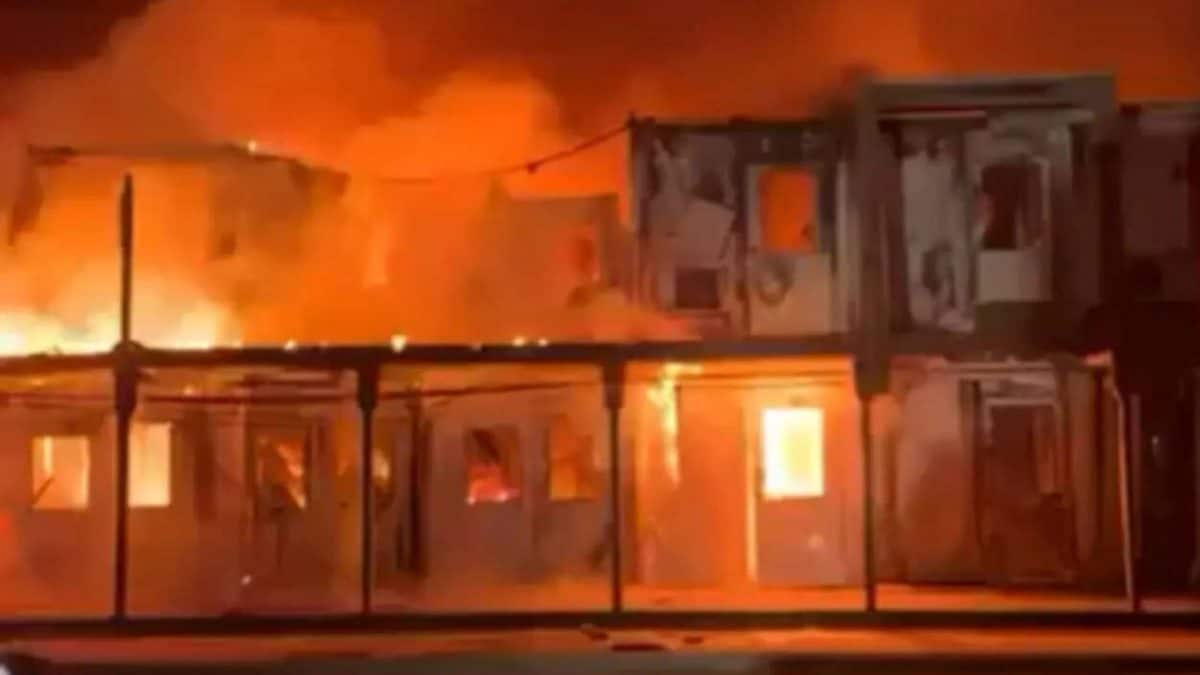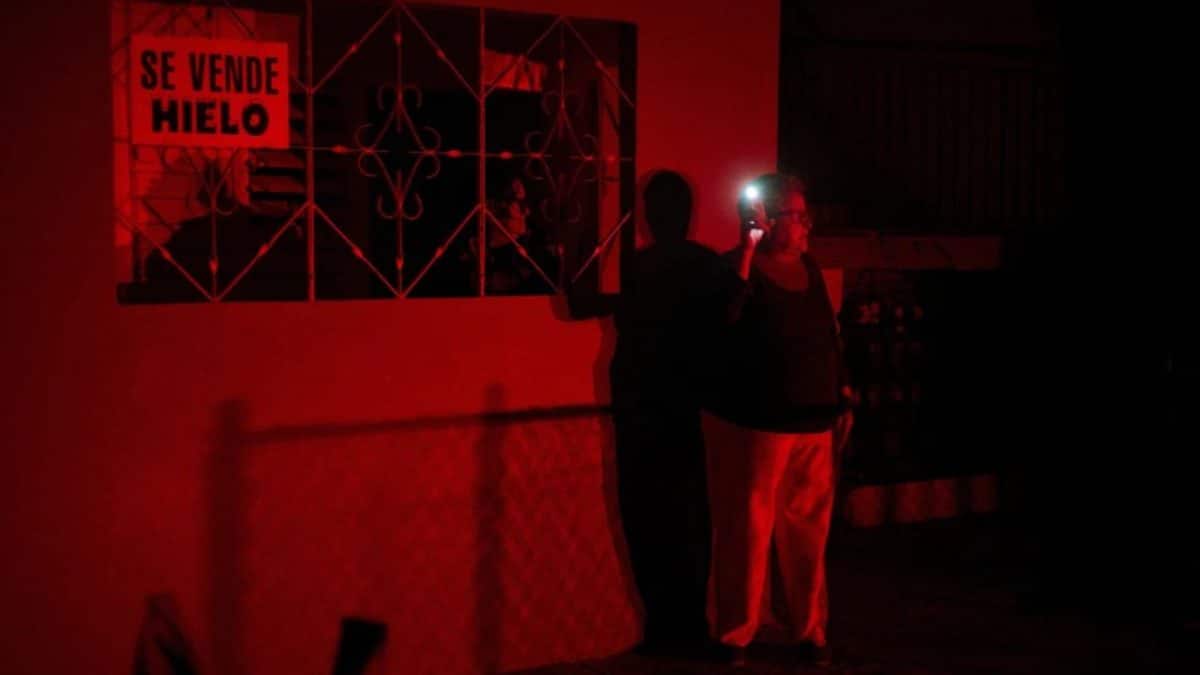
Cuba is currently a nation of 11 million people living in a pre-industrial twilight. On Monday, the national power grid suffered a "total disconnection," a catastrophic systemic failure that extinguished the lights from the Malecón in Havana to the sweltering streets of Santiago de Cuba. This was not an accident of weather or a simple technical glitch. It is the intended result of a precision economic strangulation orchestrated by the White House.
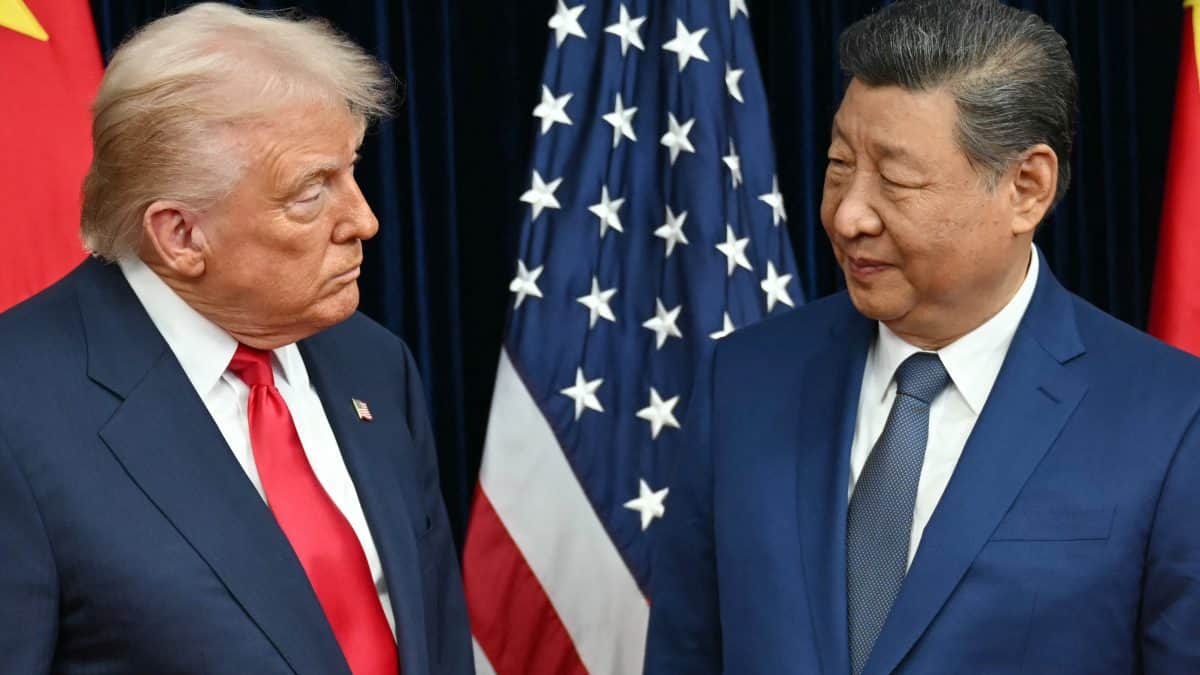
As the island plunged into darkness, President Donald Trump stood in the Oval Office and framed the collapse as an inevitable historical milestone. "I do believe I'll be having the honour of taking Cuba," he told reporters. He described the island as a "very weakened nation," one he could "free" or "take" at his discretion. For those watching the telemetry of the Cuban energy sector, the rhetoric is less about a military invasion and more about the clinical management of a state’s internal combustion.
The Anatomy of a Total Blackout
The current crisis is the third total grid collapse in four months. To understand why a sovereign nation’s lights won't stay on, one must look at the math of the "Donroe Doctrine"—the administration's updated, aggressive interpretation of the Monroe Doctrine.
In January 2026, the White House signed an Executive Order declaring a national emergency regarding Cuba. This was not just another layer of the 60-year embargo. It established a tariff-based blockade targeting any country providing oil to the island. Mexico, previously Cuba's second-largest supplier, ceased shipments almost immediately to protect its trade relationship under the USMCA.
Venezuela, once the island’s lifeline, has been offline since the U.S.-backed ouster of Nicolás Maduro earlier this year. Without these shipments, the Antonio Guiteras Thermal Power Plant—the backbone of the Cuban grid—has become a monument to obsolescence. These plants require a constant, heavy flow of fuel oil and crude to maintain the frequency and voltage balance of the national interconnected system. When the fuel runs dry, the frequency drops. When the frequency drops below a critical threshold, the safety mechanisms trigger an automatic, cascading shutdown.
A Masterclass in Asymmetric Pressure
The administration is betting that a nation without electricity is a nation that cannot govern. The strategy is to move past the "abstract pressure" of the old embargo into "operational denial." By cutting off oil, the U.S. has effectively shut down:
- Water Distribution: Most Cuban water systems rely on electric pumps.
- Food Preservation: In a country already facing severe shortages, the lack of refrigeration is a death sentence for meager rations.
- Public Health: Hospitals are currently operating on diesel generators with rapidly depleting reserves.
The "why" behind this is clear. The administration is using the blackout as a tool for regime change without firing a single shot. By making the island uninhabitable, they are forcing the Cuban Communist Party to the negotiating table. Deputy Prime Minister Oscar Pérez-Oliva recently signaled a desperate pivot, announcing that Cuban exiles in Miami would now be permitted to invest in and own private businesses on the island. It is a massive concession, one that would have been unthinkable six months ago.
The Miami Equation and the Return Narrative
There is a domestic political component to this siege that is often overlooked. Trump has begun speaking about the "choice" for Cuban migrants to return to the island. By framing the collapse as a precursor to a "friendly takeover," the administration is signaling to the wealthy exile community in South Florida that the restitution of confiscated properties is finally on the horizon.
This isn't just about geopolitics; it's about the business of reconstruction. The administration’s focus on Marco Rubio as the point man for this "transition" suggests that the endgame is the transformation of Cuba into a U.S.-aligned economic satellite. The goal is a "deal" that mirrors the corporate-friendly openings of the early 20th century, updated for the 2026 reality of energy dominance.
The Human Cost of Geopolitical Poker
While the White House speaks of "honour" and "deals," the reality on the ground is one of "cacerolazos"—the rhythmic banging of pots and pans in the dark. These protests, once rare, have become nightly occurrences. The Cuban government’s response has been a mix of desperate admission and threats of "impunity" for vandals.
United Nations experts have labeled this fuel blockade an "extreme form of unilateral economic coercion." They argue that the denial of energy is a violation of international law because it targets the civilian population's basic survival. However, in the current Washington climate, international law is a secondary concern to the "Donroe" objective of absolute regional hegemony.
Cuba is no longer just a Cold War relic. It has become a laboratory for a new type of 21st-century warfare where the primary weapon is the control of the kilowatt-hour. The island is being starved of the electrons it needs to function as a modern society. Whether this leads to the "friendly takeover" the President envisions or a chaotic humanitarian catastrophe that spills back across the Florida Straits remains the most volatile question in the Western Hemisphere.
The lights may come back on in parts of Havana tomorrow, but as long as the oil tankers stay away, the island's future remains fundamentally dark.
Would you like me to investigate the specific legal claims under the Helms-Burton Act that could be triggered if a "friendly takeover" of Cuba proceeds?