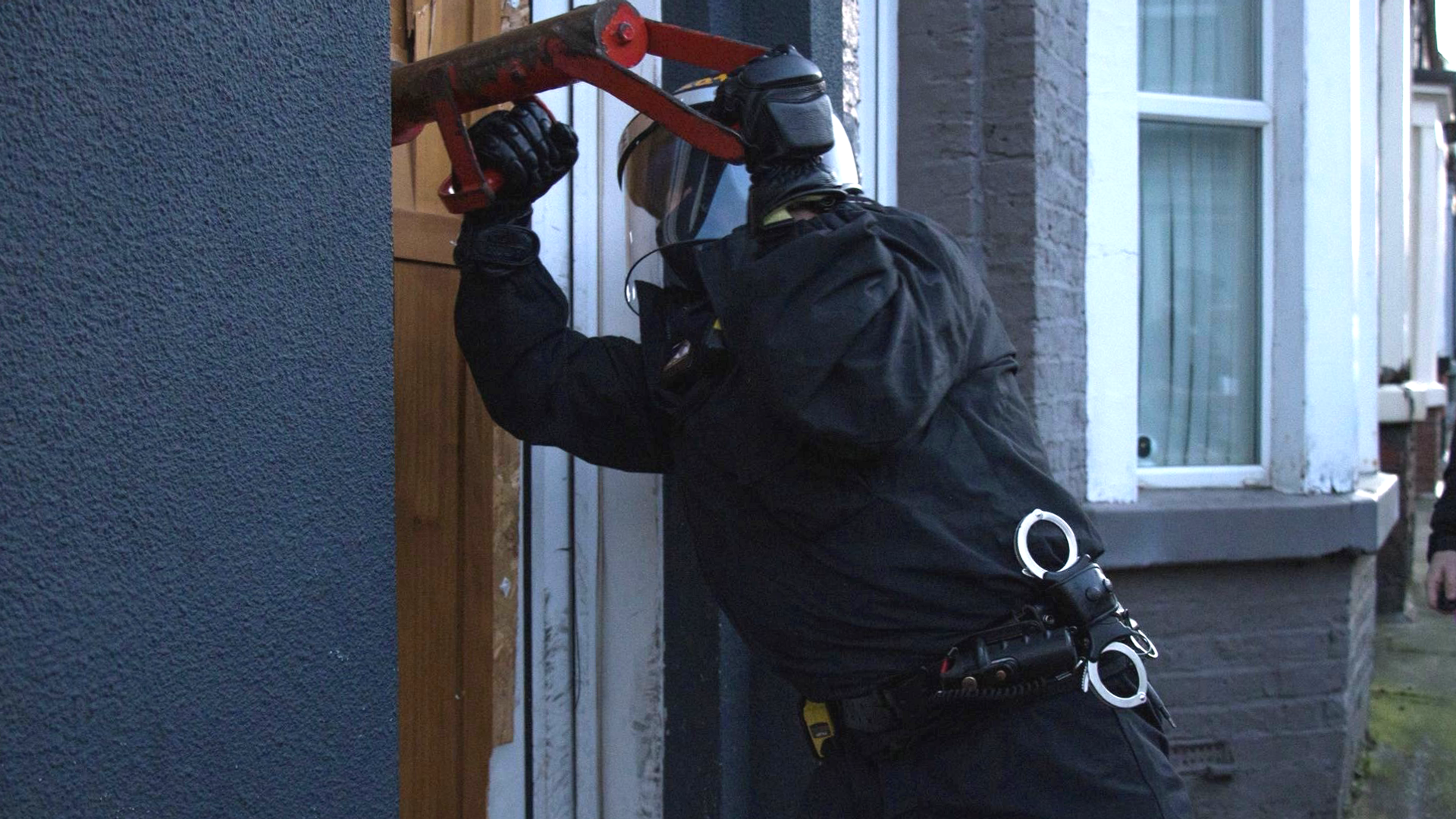
The images of flour bags stained with blood aren't just tragic accidents. They’re the result of a deliberate, systemic breakdown of human survival. When we talk about the humanitarian crisis in Gaza, we often get lost in sanitized diplomatic language. Words like "logistical challenges" or "security concerns" are used to mask a much grimmer reality. The truth is simpler and far more haunting. Aid is being used as a lever of pressure, and the cost is being measured in the lives of children who are literally wasting away.
I’ve looked at the reports from the ground—from the UN, from Human Rights Watch, and from the people living in tents in Rafah. What’s happening isn't just a side effect of war. It’s a choice. When a convoy is turned back because it contains "dual-use" items like tent poles or medical scissors, that’s a choice. When a border crossing remains shuttered while thousands of tons of food sit rotting just miles away, that’s a choice. We need to stop pretending this is a mystery.
Why the Hunger in Gaza Is Different
Most famines happen because of drought or crop failure. Gaza is different. This is a man-made deprivation. Before this escalation, roughly 500 trucks entered the strip every day to keep the economy and the people functioning. Now, we’re lucky to see a fraction of that. The result? A catastrophic shift where 90% of the population is skipping meals regularly.
You might hear officials claim that there's "no limit" on aid. That’s technically true on paper, but practically a lie. The bottlenecks are everywhere. It’s in the grueling inspection processes. It’s in the restricted "green zones" that aren't actually safe. It's in the targeted strikes on local police who try to escort the trucks to prevent looting. If you make it impossible to distribute the food, it doesn't matter how much is waiting at the fence.
Experts from the Integrated Food Security Phase Classification (IPC) have warned that northern Gaza is facing imminent famine. That isn't hyperbole. It’s a data-driven forecast of mass death. When people are forced to eat animal feed or grass to survive, the "security" justifications for blocking flour and clean water start to fall apart. It looks less like defense and more like collective punishment.
The Strategy of Thirst and Dark Hospitals
Food gets the headlines, but water is the silent killer. Most of the water pipelines from Israel were cut early on. Desalination plants can't run without fuel. When the fuel is blocked, the pumps stop. When the pumps stop, people drink brackish, contaminated water.
Doctors at the remaining partially functional hospitals, like Al-Aqsa or what's left of Shifa, describe performing surgeries by the light of their phones. They’re cleaning wounds with vinegar. This isn't because the world doesn't have medical supplies. It’s because those supplies are sitting in containers at the Kerem Shalom or Rafah crossings, waiting for a signature that never comes.
The cruelty isn't just in the big bombs. It’s in the small denials. Denying a shipment of insulin. Denying the fuel for an incubator. These are the "incremental escalations" that don't make the evening news but fill the cemeteries just the same.
Deconstructing the Security Excuse
The standard line from the Israeli government is that Hamas steals the aid. Does it happen? Likely. In a war zone where people are starving, desperation leads to chaos. But using the risk of diversion as a reason to starve two million people is a moral and legal failure. Under international law—specifically the Fourth Geneva Convention—an occupying power has a strict obligation to ensure the food and medical supplies of the population.
You don't get to opt out of that because it’s "difficult." You don't get to block the UNRWA, the primary agency capable of large-scale distribution, and then wonder why the distribution is failing. The push to defund and dismantle UNRWA during the height of a famine is perhaps the clearest evidence that the goal isn't just security. It’s the total dismantling of the Palestinian social fabric.
Beyond the Border Crossings
Even when aid gets in, the journey isn't over. The "deconfliction" system—where aid groups tell the military where they are to avoid being hit—has failed repeatedly. We saw it with the World Central Kitchen strike. We’ve seen it with countless UN convoys. If the "safe" routes aren't safe, the aid doesn't move. Drivers are scared. Organizations are pulling out.
The result is a vacuum. When the formal structures of aid vanish, gangs and desperation take over. This creates a cycle of violence that the military then uses to justify even tighter restrictions. It’s a self-fulfilling prophecy of chaos.
The Global Silence and Complicity
We have to talk about the role of the United States and Europe. They express "deep concern." They talk about "red lines." But the weapons keep flowing, and the diplomatic cover remains intact. If the U.S. wanted the crossings open tomorrow, they would be open. The fact that they aren't tells you everything you need to know about where the priorities lie.
Airdrops and temporary piers are expensive PR stunts. They provide a tiny fraction of what’s needed compared to land routes. It’s like trying to put out a forest fire with a water pistol while someone else is pouring gasoline on the other side of the woods. Land crossings are the only way to stop the famine. Everything else is just noise to soothe the conscience of the West.
What Actually Needs to Happen
If we want to stop the "escalation of cruelty," we have to move past the rhetoric.
First, there has to be an immediate, unconditional opening of all land crossings, including Erez and Karni. The inspection process needs to be streamlined by neutral third parties, not used as a tool for delay.
Second, UNRWA must be fully funded and allowed to work. There is no other organization with the infrastructure to handle this. Replacing them in the middle of a war is a death sentence for thousands.
Third, fuel must be treated as a humanitarian necessity, not a weapon. Without it, there's no water, no bread, and no medicine.
Finally, there must be real accountability. Using starvation as a method of warfare is a war crime. Until there are actual consequences—sanctions, legal filings, or a halt in arms transfers—the policy won't change. The cruelty will continue because it’s effective for those in power.
You can’t look away from this and pretend you didn't know. The data is there. The photos are there. The cries from the ground are loud enough to hear if you’re actually listening. It's time to stop calling this a "crisis" and start calling it what it is: a calculated catastrophe.
Pressure your representatives. Support the groups still on the ground like Doctors Without Borders and Middle East Children's Alliance. Don't let the "logistics" talk distract you from the human faces. Hunger is a slow, painful way to die, and in Gaza, it’s being used as a policy tool. That should be unthinkable in 2026. Stop the blockades now.