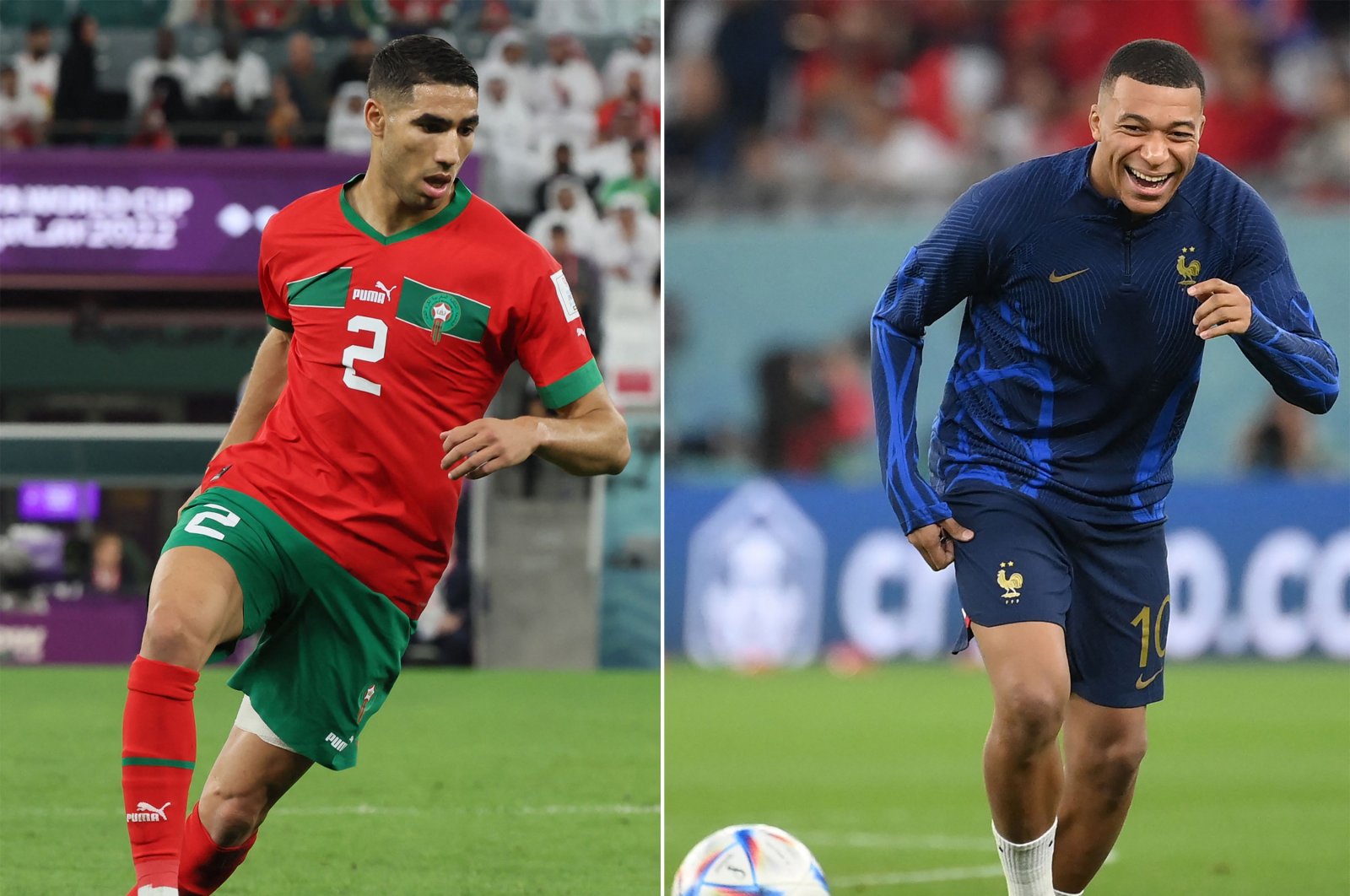
Two months after the confetti settled in Rabat, the 2025 Africa Cup of Nations has been decided not by a ball, but by a gavel. In a ruling that has sent tremors through the global football hierarchy, the Confederation of African Football (CAF) Appeal Board officially stripped Senegal of their title on March 17, 2026. The trophy, once hoisted by Sadio Mané in the middle of a jubilant Moroccan capital, has been retroactively awarded to the hosts. The "win" is recorded as a sterile 3-0 forfeit, erasing Pape Gueye’s 94th-minute extra-time strike from the annals of sporting reality.
This is more than a simple correction of the record. It is a precedent-shattering moment where administrative technicalities have been weaponized to override a result obtained through 120 minutes of physical exertion. By upholding Morocco’s appeal, CAF hasn't just changed the name on a trophy; it has signaled that the referee’s whistle is no longer the final word in African football.
The Fourteen Minute Void
To understand the magnitude of this collapse, one must look at the specific mechanism of the forfeit. The ruling hinges on Article 84 of the AFCON Regulations. On January 18, deep into stoppage time with the score locked at 0-0, Congolese referee Jean-Jacques Ndala awarded Morocco a penalty after a VAR review. The Senegalese camp, convinced they had been denied a clear goal of their own moments earlier, exploded.
Coach Pape Thiaw did the unthinkable: he ordered his players off the pitch. For fourteen minutes, the final existed in a vacuum. Under the strict letter of the law, a team that "refuses to play or leaves the ground before the regular end of the match" is deemed to have forfeited.
The complexity arises because Senegal did return. Led by Mané, who acted as a de facto diplomat in the tunnel, the Lions of Teranga resumed play. Morocco accepted this. The penalty was taken—and missed by Brahim Díaz. The match proceeded through extra time. Senegal won fairly on the grass. By allowing the match to continue, the referee effectively "cured" the walk-off in the eyes of the spectators, but not, it seems, in the eyes of the CAF legal department.
Technicalities vs Reality
The Royal Moroccan Football Federation (FRMF) played a masterful long game. While their players continued to compete in extra time, their legal team was already preparing a dossier based on the breach of Article 82. Their argument was clinical: the moment Senegal left the pitch without the referee’s explicit permission, the match was legally over.
"The approach was never intended to challenge the sporting performance," the FRMF stated with carefully measured tone, "but solely to request the application of the competition's regulations."
This is a sanitised way of saying they lost the battle of skill but won the war of bureaucracy. If the referee had followed the protocol to the letter on that January night, he would have blown the final whistle the moment the Senegalese players crossed the touchline. By failing to do so, Ndala created a legal gray area that has now been exploited to its fullest extent.
The Cost of Compliance
The fallout is already eroding the credibility of the continental governing body. Senegal has already filed an emergency appeal with the Court of Arbitration for Sport (CAS) in Lausanne. Their argument is centered on the principle of "sporting integrity"—the idea that once a match resumes and concludes, the result on the pitch must stand unless there is evidence of match-fixing or ineligible players.
The stakes extend beyond this single trophy.
- Refereeing Authority: If a board can overturn a result based on a mid-match delay that the referee ultimately managed, the official on the pitch loses all meaningful power.
- Precedent for Protest: Future teams may find themselves trapped between the desire to protest perceived injustice and the fear that a ten-minute delay will result in a two-year legal battle.
- Political Optics: The fact that the hosts were the beneficiaries of a boardroom reversal—after Morocco reportedly pressured CAF regarding the hosting of future tournaments—creates a stench of favoritism that will be hard to wash off.
A Legacy in Limbo
Sadio Mané’s reaction was uncharacteristically blunt, calling the decision a "killer of passion." He is right. When fans in Dakar celebrated in January, they were celebrating a physical reality. When the history books are updated in March to show a 3-0 win for Morocco, they are recording a legal fiction.
The CAF Disciplinary Board had originally dismissed Morocco’s protest, opting for heavy fines and suspensions instead of overturning the result. That was the "middle ground"—punishing the behavior without erasing the sport. The Appeal Board’s decision to "set aside" that ruling suggests a hardline shift toward legalism over sportsmanship.
African football has spent decades trying to shake off the label of "chaos." Ironically, by attempting to impose "order" through the strict application of Article 84, CAF has invited a new, more sophisticated kind of disorder. The 2025 AFCON didn't end in Rabat. It didn't end with a goal. It is currently sitting in a file folder in Switzerland, waiting for three judges to decide if 120 minutes of football actually happened.
Would you like me to analyze the specific legal arguments Senegal is preparing for the CAS hearing?